BizQuest Business-for-Sale Listing Scraper
Nenodata scopes and manages a BizQuest Scraper workflow that turns permissioned business-for-sale listing sources into structured acquisition records for screening, monitoring, and delivery into CRM, warehouse, and research systems.
- Permission and source review before collection
- Sample-first schema confirmation
- Explicit handling of missing and restricted fields
The Business Problem
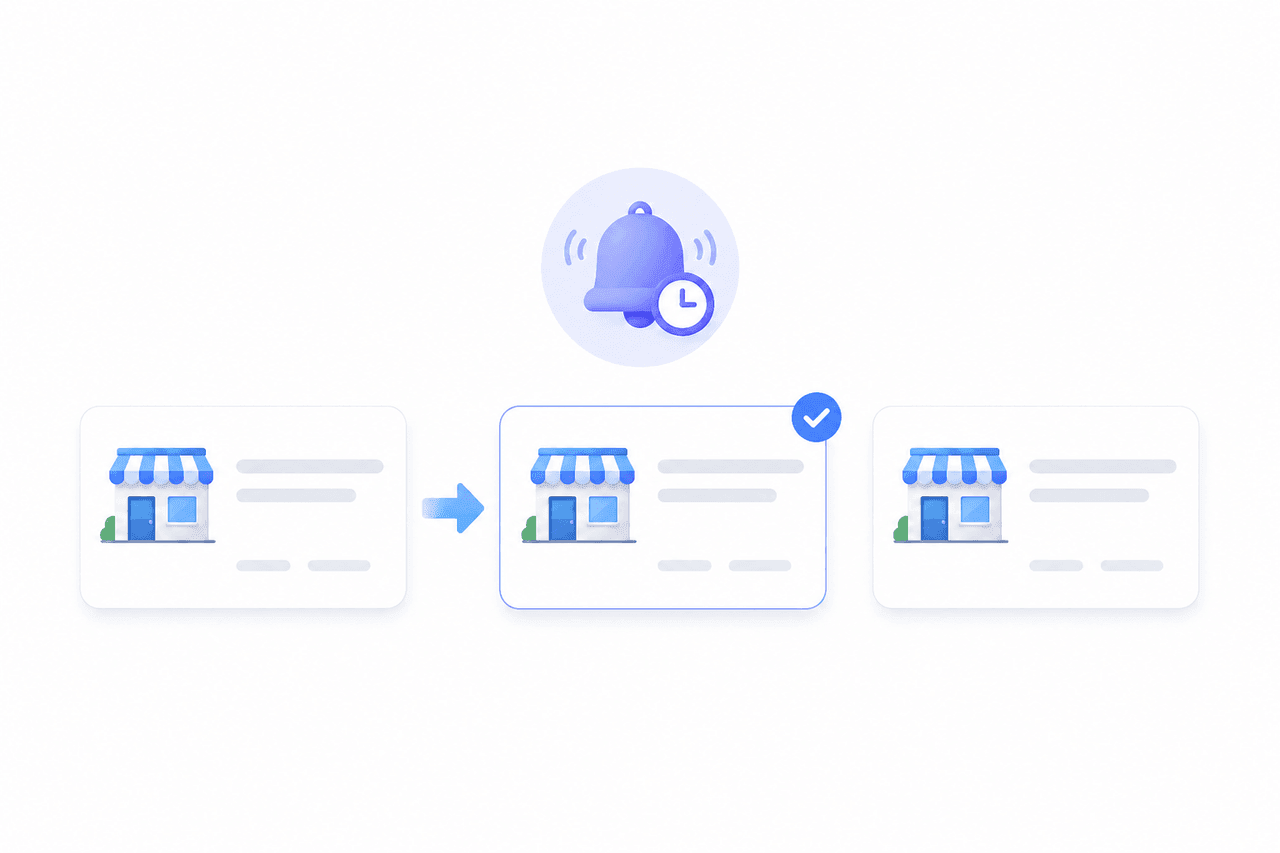
Business acquisition teams often depend on manual searches, copied spreadsheets, and repeated checks to track opportunities. That process breaks down when listings change, disclosed financial values vary, records disappear, or the same opportunity appears across multiple searches.
Source material also rarely matches the schema required by a CRM, warehouse, or screening model. Analysts must standardize categories and locations, preserve missing values, review likely duplicates, and record when each listing was first or last observed.
A one-off internal script shifts the burden rather than removing it. Pagination, dynamic elements, field restrictions, and source changes can interrupt collection or silently alter output. Teams need a reviewed workflow with explicit permission, field, validation, monitoring, and delivery rules.
What Nenodata Provides
Nenodata reviews permission, representative sources, required listing fields, validation rules, monitoring needs, and delivery destinations before production work begins.
Engagements may include listing identity, location and category, disclosed financial signals, broker or contact context when permitted, monitoring metadata, and structured delivery into the systems confirmed for the engagement.
Collection is limited to permissioned or otherwise approved sources. This service does not claim unrestricted marketplace access. Broader extraction capability remains available through enterprise web scraping.
BizQuest vs other listing sources
Use this page for US Main Street / brick-and-mortar businesses for sale. Use Flippa for online businesses and Benchmark International for advisor-led deal listings.
| Source | Best for | Learn more |
|---|---|---|
| BizQuest | US business-for-sale listings: category, location, asking-price signals | This service |
| Flippa scraper | Online business and website-for-sale listings | Flippa scraper |
| Benchmark International | Advisor-led M&A listing summaries | Benchmark listings |
Illustrative Sample Output
Review a provisional schema for listing identity, category, geography, disclosed asking price, and last-seen timestamps before broader production begins.
Illustrative example
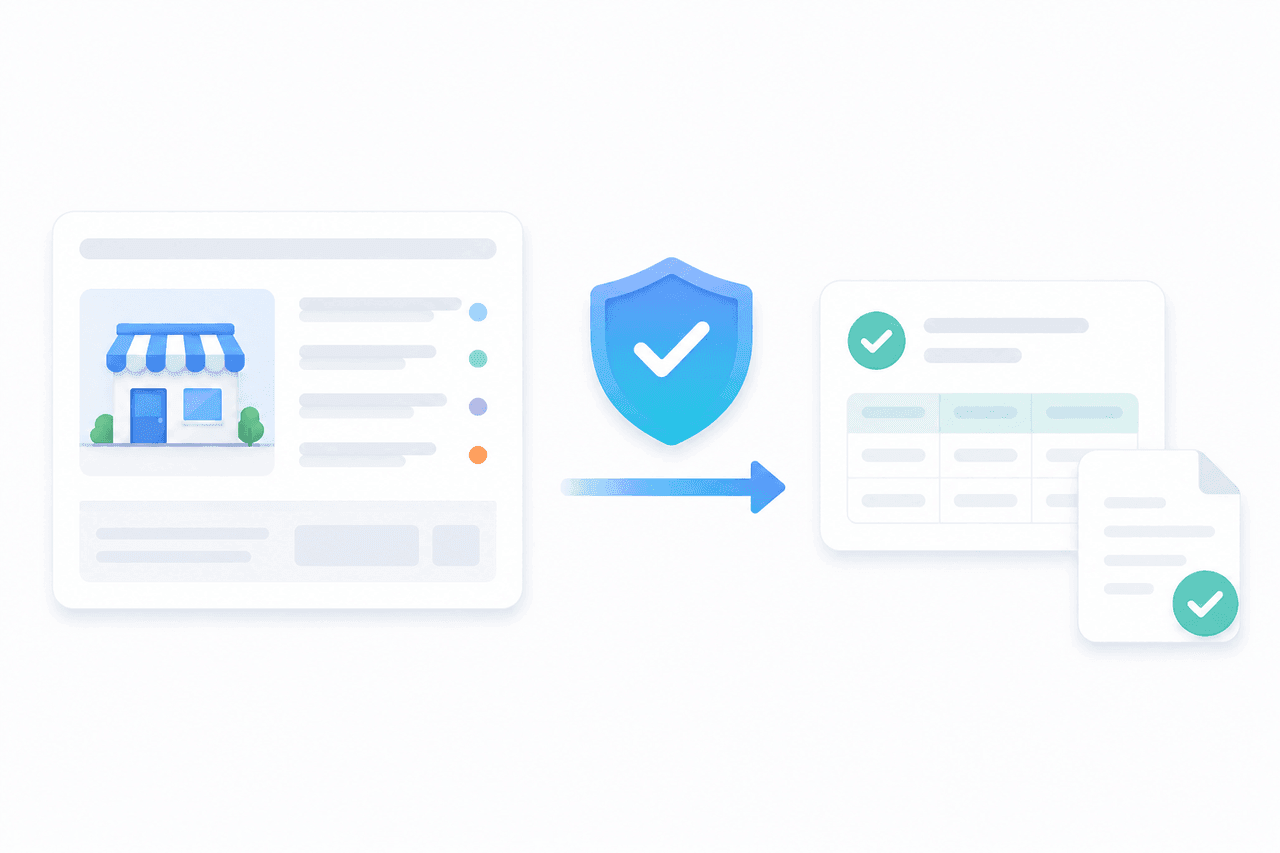
- ConfirmedAgreed field expected when present on the approved source
- OptionalIncluded when disclosed and requested in scope
- UnavailableNot treated as available for this illustrative schema
- Permission-restrictedCollected only when expressly permitted and required
| listing_idConfirmed | categoryConfirmed | geographyConfirmed | asking_priceOptional | broker_emailPermission-restricted | ebitdaUnavailable | last_seen_atConfirmed |
|---|---|---|---|---|---|---|
| BQ-TX-1048 | Restaurants | Austin, TX | 1250000 | null | null | 2026-08-11T16:20:00Z |
| BQ-FL-1049 | Home services | Tampa, FL | null | null | null | 2026-08-12T09:05:00Z |
Data Fields and Outputs
Field groups depend on the approved scope.
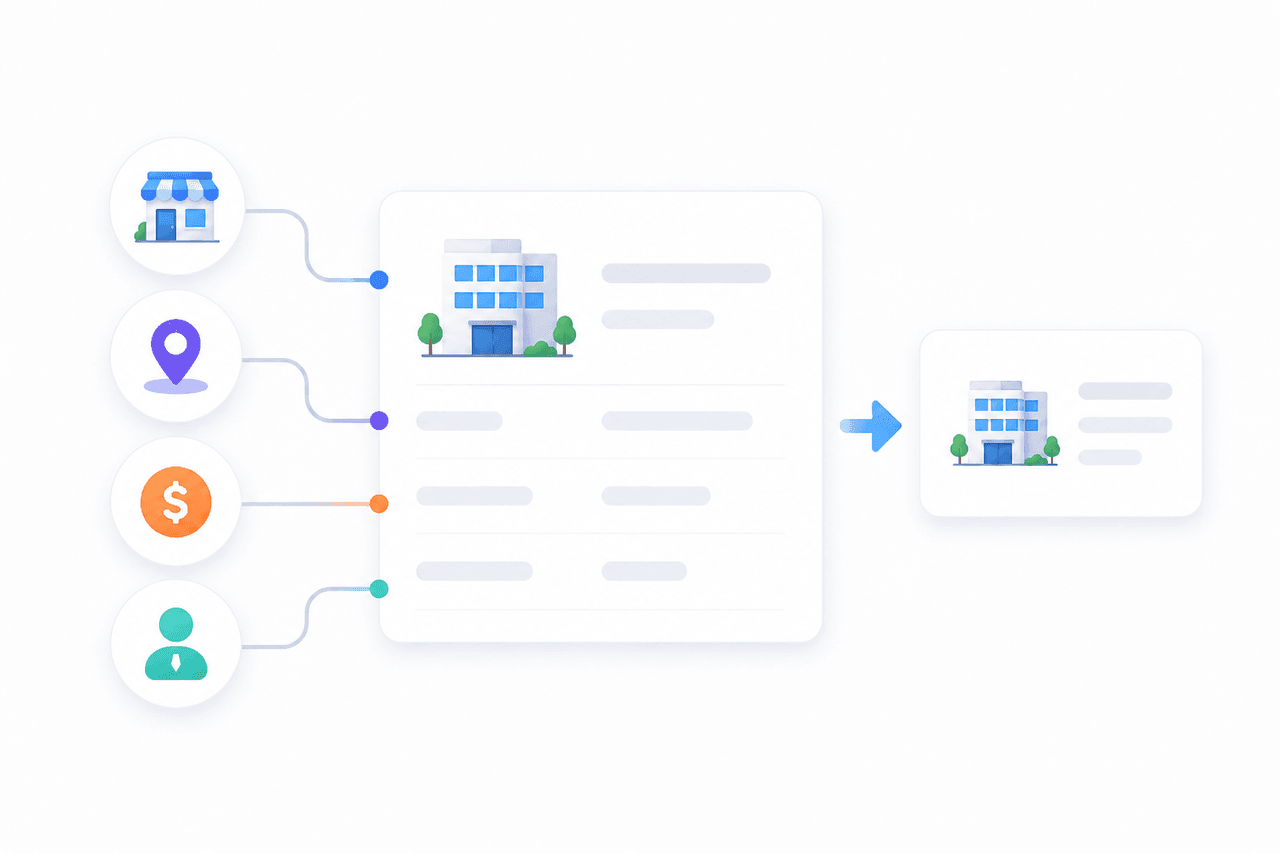
Listing identity
Listing identifiers, source references, and titles where present on the approved source.
Location and category
Geography and business-category labels standardized for screening and market mapping.
Disclosed financial signals
Asking price and other disclosed financial values when available and included in the agreed schema.
Broker or contact context
Brokerage or contact fields only when expressly permitted and required for the approved use case.
Monitoring metadata
First-seen and last-seen timestamps, status changes, and duplicate-review flags when scoped.
Delivery options
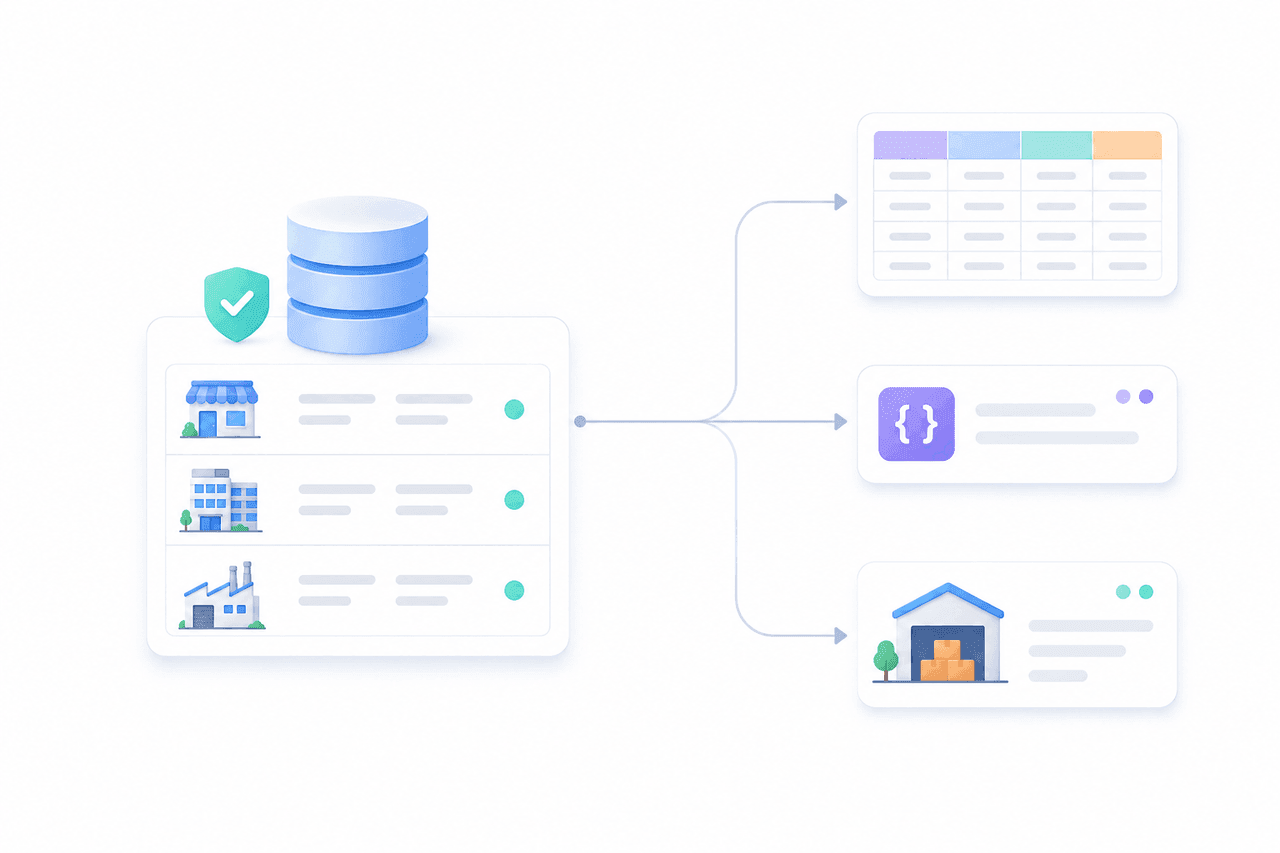
CSV, JSON, Excel, API-ready structures, webhook, database, or warehouse delivery depending on the approved scope.
Use Cases
Deal sourcing
Acquisition teams retain structured listing signals so sourcing workflows stay current without repeated manual searches.
Investment screening
Investors compare category, geography, and disclosed financial fields against internal screening criteria.
Market mapping
Strategy teams aggregate category and geography fields for market views and market intelligence data workflows.
Brokerage intelligence
Research teams retain brokerage attribution where publicly disclosed and permitted for analysis.
Lender research
Lending teams review structured listing attributes to support opportunity research within approved use cases.
Listing-change monitoring
Operators track last-seen timestamps, status changes, and disappeared listings for scoped watchlists.
Data-product enrichment
Product teams enrich acquisition or research products with normalized business-for-sale listing fields.
Internal analytics
Data teams deliver validated records into warehouses and analytics models with explicit null handling.
Who This Service Is For
This service is for acquisition teams, investors, lenders, brokerages, marketplace operators, and internal data teams that need permissioned business-for-sale listing records in a maintainable structured workflow.
It fits organizations that require source-access review, explicit field rules, and responsible contact-data handling rather than unrestricted self-service collection.
Where outreach is expressly permitted and approved, lead generation and enrichment may be discussed as a separate, qualified workflow. It is not positioned as automatic contact harvesting from listing pages.
How the BizQuest Scraper Workflow Works
Four-step permission review, collection, validation, and delivery workflow
Approval gate
Approval gate: permission, source access, requested fields, and intended use must be confirmed before approved collection begins.
- Step 1
Requirements and permission review
Define the source path, permission basis, required fields, intended use, validation rules, monitoring needs, and delivery destination.
- Step 2
Approved collection design
Nenodata configures collection only for the approved source set and field list after the approval gate is passed.
- Step 3
Normalize and validate
Records are standardized, missing values are preserved explicitly, and likely duplicates are flagged according to agreed rules.
- Step 4
Deliver and monitor
Structured outputs are delivered through the confirmed method, with monitoring and maintenance included when contracted.
Source Access and Responsible Use
Nenodata scopes collection around permissioned or otherwise approved sources and the customer’s documented intended use.
Credentials are not requested for unauthorized access. Private, restricted, and unauthorized sources remain out of scope.
Contact and brokerage fields are handled only when expressly permitted. Disclosed financial values are structured when present and requested; unavailable fields are not invented.
Customers remain responsible for confirming that their collection, storage, and downstream use is allowed for the source and jurisdiction.
Why Choose Nenodata
Scope reviewed before commitment
Permission, source path, and field requests are reviewed before broader production promises are made.
Sample-first schema confirmation
A representative sample shows which fields are available, optional, unavailable, or permission-restricted before wider rollout.
Managed maintenance
When included in scope, Nenodata owns agreed handling for source changes, breakages, and delivery continuity.
System-ready structuring
Outputs are planned around CRM, warehouse, spreadsheet, API-ready, or webhook destinations confirmed during scoping.
Explicit treatment of missing information
Unavailable or null values stay visible. Incomplete records are not disguised with inferred values.
Responsible contact-data handling
Broker or contact fields are included only when expressly permitted and required for the approved use case.
Integrations and Delivery
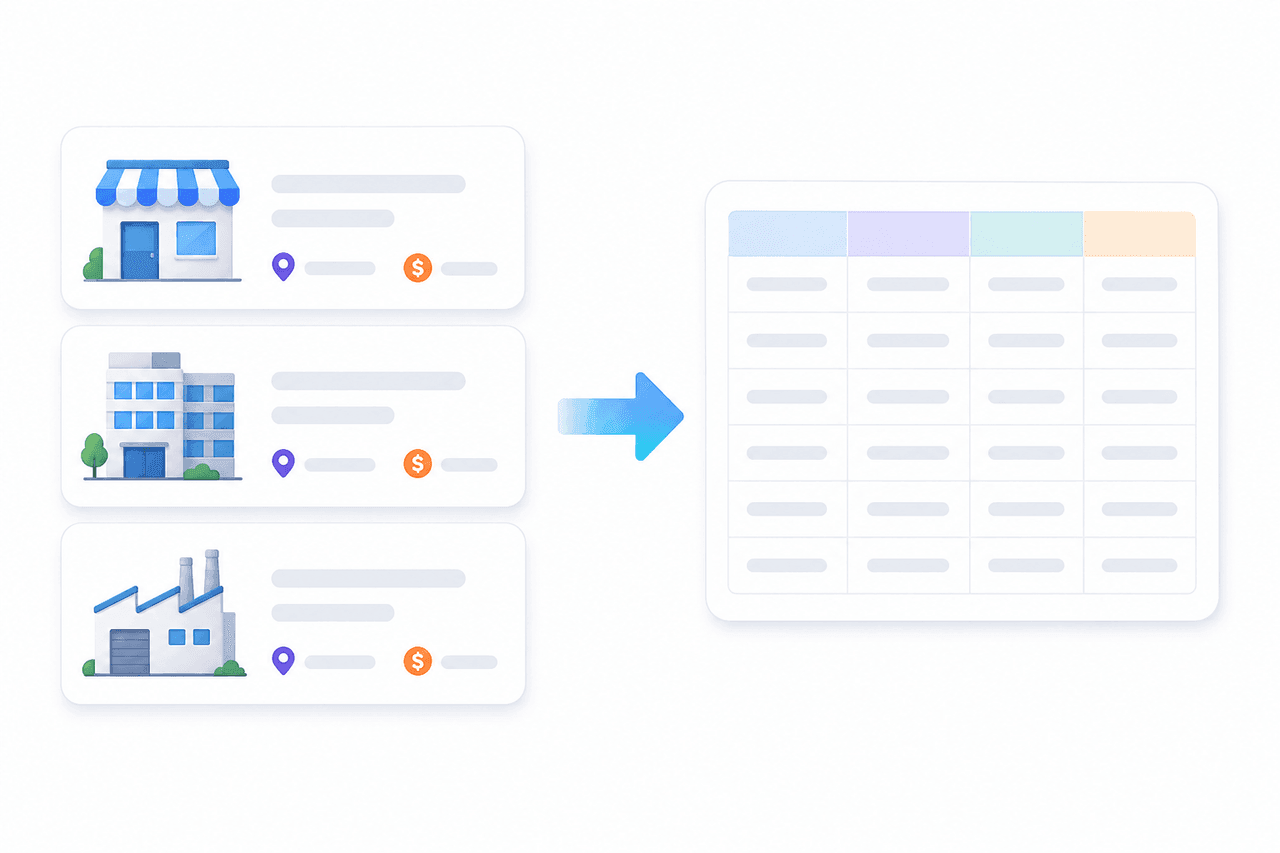
Delivery options depend on the approved scope and may include CSV, JSON, Excel, API-ready structures, webhook, database, or warehouse-ready outputs when confirmed.
Recurring transformation and destination workflows may also use custom data pipelines. For packaging context, view pricing — pricing does not replace source-specific scoping of permission, fields, and destinations.
- CSV depending on approved scope
- JSON depending on approved scope
- Excel depending on approved scope
- API-ready structures where confirmed
- Webhook where confirmed
- Database where confirmed
- Warehouse-ready delivery where confirmed
Related resources: Benchmark International listing scraper, Flippa listing scraper, enterprise web scraping, and contact Nenodata.
Frequently Asked Questions
Scope an Approved Listing-Data Workflow
Share the permission basis, representative source details, required fields, intended use, and preferred delivery format so Nenodata can review feasibility before broader implementation.
Include permission notes, required fields, monitoring needs, delivery preference, and business contact details when you request a demo or free sample.