ClinicalTrials.gov & Registry Data Extraction
Nenodata provides Clinical Trials Data Extraction Services that turn agreed public registries and customer-authorized trial documents into structured, traceable records for research, intelligence, and operational workflows.
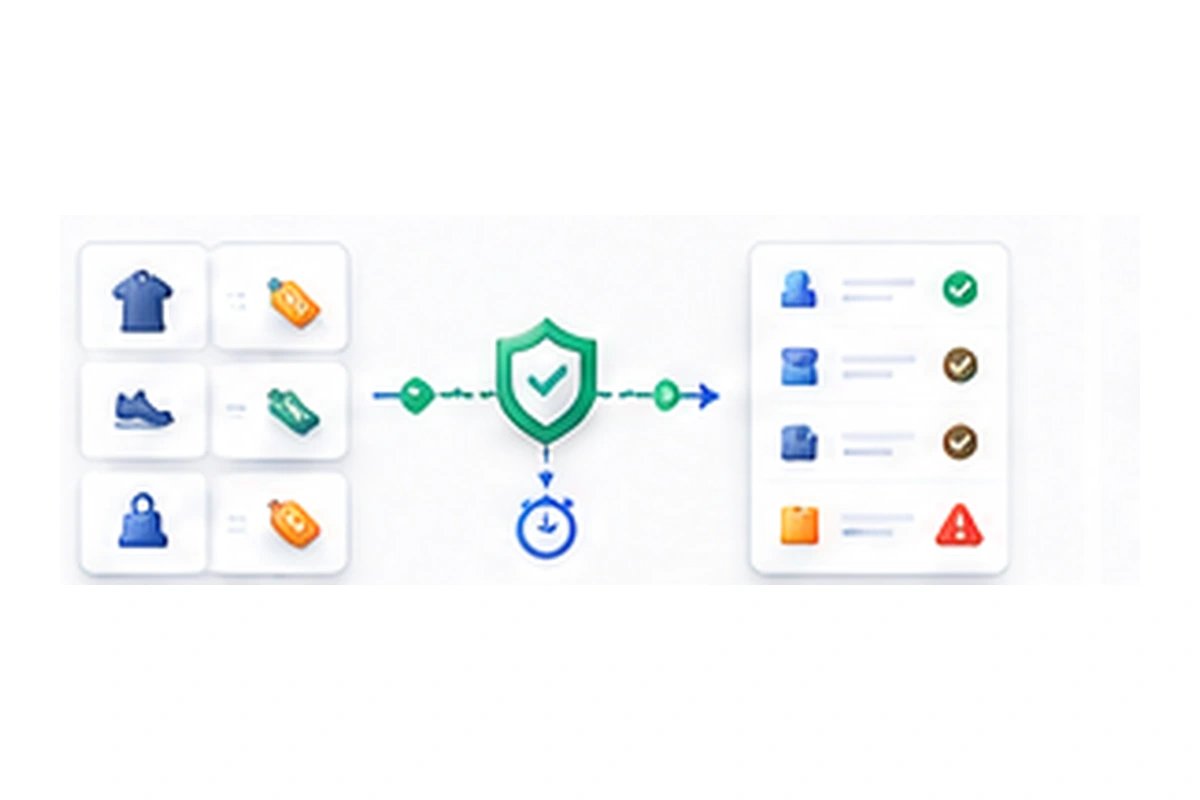
Trial information is fragmented across registries, publications, and documents
Public trial registries, publications, and authorized protocol or report documents often store related information in different formats, with inconsistent identifiers, status labels, and update timing.
Teams that copy fields into disconnected spreadsheets end up with mismatched columns, duplicate records, and missing source or collection dates that slow review and analysis.
A managed extraction workflow reviews approved public sources and customer-authorized documents first, then maps available fields into a consistent schema your systems can use.
Fragmented trial sources creating inconsistent spreadsheets, duplicate records, and missing update information.
What Clinical Trials Data Extraction Services Include
Nenodata scopes approved public clinical-trial sources, customer-authorized documents, required fields, volume expectations, refresh needs, and delivery destinations before collection begins.
Engagements can include trial identifiers, status, sponsor, intervention, eligibility or location fields where shown, source URLs, collection timestamps, and validation notes when those elements are available and included in the agreed schema.
This service uses managed enterprise web scraping for agreed public pages and can incorporate document processing when protocols, reports, or PDFs are authorized and in scope. Private records, PHI, and restricted systems are excluded.
Clinical trials vs other healthcare data
Use this page for public trial registries (ClinicalTrials.gov / EU CTR). Use CMS nursing-home ratings when the job is US facility Care Compare data.
| Source | Best for | Learn more |
|---|---|---|
| Clinical trials extraction | Registry records: NCT ID, phase, status, sponsor, condition | This service |
| CMS nursing home ratings | US facility star ratings, staffing, and inspections | CMS nursing homes |
| Healthcare & pharma data | Broader life-sciences and pharma collection programs | Healthcare data |
Illustrative sample output
Illustrative example
This record is illustrative and is not an approved Nenodata deliverable or customer result. Final fields depend on project scope and what approved public sources or authorized documents display. Missing values remain empty rather than inferred.
{
  "trial_identifier": "NCT01234567",
  "status": "Recruiting",
  "phase": "Phase 2",
  "condition": "Type 2 diabetes mellitus",
  "sponsor": "Northbridge Research Institute",
  "intervention": "Investigational GLP-1 analog",
  "source_url": "https://clinicaltrials.gov/study/NCT01234567",
  "collected_at": "2026-08-12T11:05:00Z",
  "validation_status": "passed",
  "exception_note": null
}| Field | Value |
|---|---|
| trial_identifier | NCT01234567 |
| status | Recruiting |
| phase | Phase 2 |
| condition | Type 2 diabetes mellitus |
| sponsor | Northbridge Research Institute |
| intervention | Investigational GLP-1 analog |
| source_url | https://clinicaltrials.gov/study/NCT01234567 |
| collected_at | 2026-08-12T11:05:00Z |
| validation_status | passed |
Data fields and output structure
Final fields depend on approved sources and authorized documents. Delivery format is confirmed during scoping.
Trial identity
- • Trial identifier where shown
- • Official title where shown
- • Brief title where shown
- • Source label
Status and timeline
- • Recruitment or study status where shown
- • Start date where shown
- • Primary completion date where shown
- • Last update date where shown
Sponsor and collaborators
- • Sponsor name where shown
- • Collaborator names where shown
- • Responsible party where shown
Intervention and condition
- • Intervention label where shown
- • Condition or indication where shown
- • Phase where shown
- • Study type where shown
Location and eligibility signals
- • Facility or site names where shown
- • Country or region where shown
- • Eligibility summary text where shown
Provenance and quality
- • Source URL
- • Collection timestamp
- • Validation status
- • Exception note
Use cases
Registry monitoring
Research and intelligence teams need consistent status, sponsor, and intervention fields from agreed public registries without rebuilding spreadsheet extracts each cycle.
Competitive trial landscaping
Strategy teams compare publicly listed trials by condition, intervention, phase, and geography when those fields are available on approved sources.
Document-backed enrichment
When customers authorize protocols, reports, or PDFs, structured fields from documents can enrich registry observations under the agreed document-processing scope.
Change and update tracking
Recurring collection helps teams review status or field changes on approved sources when refresh needs are confirmed during scoping.
Research and analytics datasets
Analytics teams need structured, timestamped records with source references for internal analysis rather than untraceable copy-paste tables.
Pipeline and CRM enrichment
Structured trial fields can support internal pipeline or CRM enrichment when the destination format is confirmed during scoping.
Who this service is for
This service is for life-sciences, biopharma, research, competitive-intelligence, and analytics teams that need structured clinical-trial records from agreed public sources and customer-authorized documents.
It also fits data and operations teams building maintained trial datasets rather than fragile one-off extracts.
It is not intended for PHI collection, private patient systems, restricted databases, medical validation, or regulatory-grade certification. See data extraction services for related capabilities.
How it works
Four-step workflow for defining sources, configuring extraction, validating records, and delivering structured data. See also how Nenodata works.
- Step 1
Define
Share target sources, authorized documents, required fields, volume expectations, refresh needs, preferred format, and intended use.
- Step 2
Configure
Nenodata reviews source and document feasibility, then configures extraction around the approved public pages and customer-authorized files.
- Step 3
Normalize and validate
Collected values are mapped into the agreed schema. Validation and exception notes are applied without inventing missing values.
- Step 4
Deliver and maintain
Structured records are delivered through the confirmed method. Maintenance continues where included in the agreed support scope as supported layouts change.
Why choose Nenodata
Sample-first scoping
Teams can review field availability and schema fit before broader production collection begins.
Field mapping around your schema
Output fields are confirmed against the analysis or system requirements defined during scoping.
Traceable source and timestamp context
Source URLs and collection timestamps help teams audit a record and return to its origin.
Clear public and authorized-data boundaries
Collection stays within agreed public sources and customer-authorized documents. PHI and restricted systems are excluded.
Managed workflow maintenance
When supported layouts change, maintenance continues where included in the agreed service scope.
Delivery aligned to your workflow
Format and destination are confirmed so records can fit research, analytics, or operational systems. Related delivery design may use custom data pipelines.
Delivery and integrations
Delivery destinations and formats are confirmed during scoping based on the approved dataset and the systems that will consume the records.
Prepared import files are commonly discussed for spreadsheet and structured-file workflows. Direct loading into databases or downstream systems is included only when separately confirmed for the engagement.
- CSV
- Excel
- JSON
- Database-ready files
- Structured import files
view pricing · contact Nenodata
Related services: CMS nursing home ratings scraper, healthcare and pharma data scraping, and document processing.
Frequently asked questions
Request a representative trial-data sample
Share the sources, authorized documents, fields, and delivery needs for your clinical-trial workflow. Nenodata will review feasibility and recommend the next sample or demo step.
Include representative source URLs or document types, required fields, expected volume, refresh needs, preferred format, and intended use.