Event and Ticketing Data Scraping Services
Nenodata provides Event and Ticketing Data Scraping Services through custom workflows that turn approved public or permissioned event and ticketing pages into clean, structured datasets for product, pricing, analytics, and operations teams.
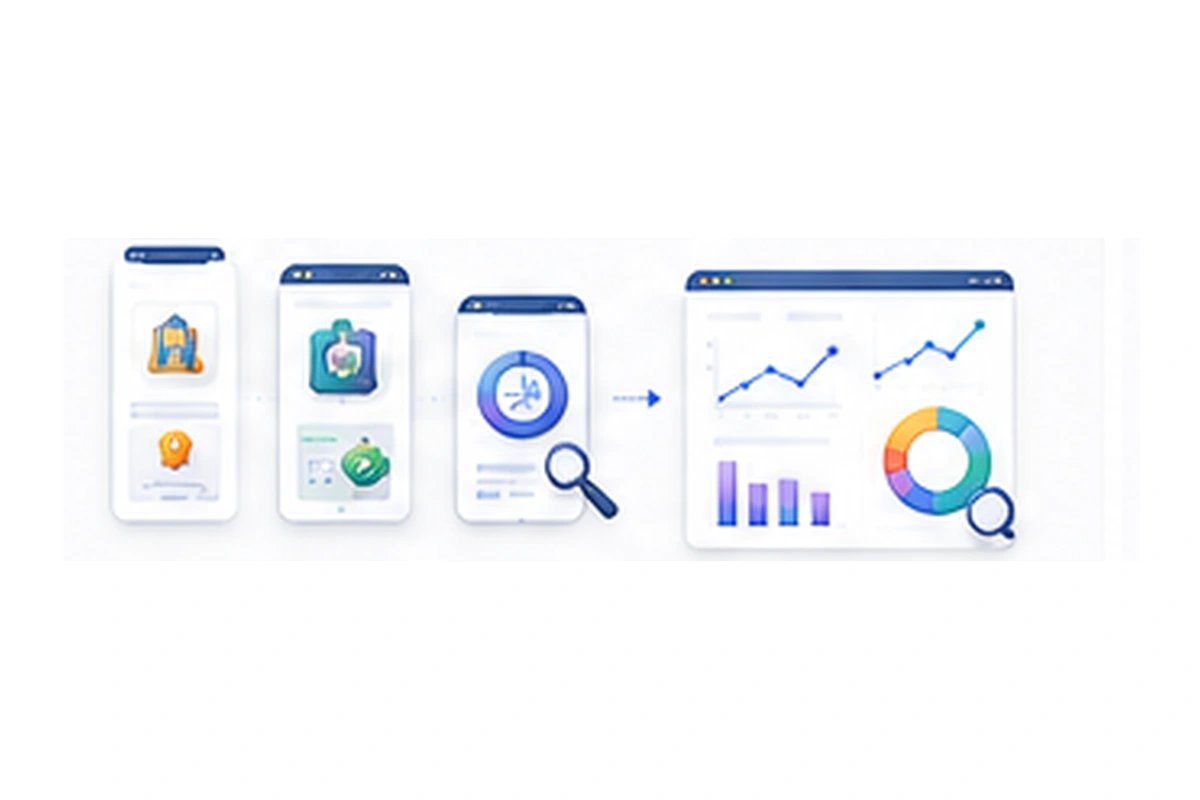
Event and Ticket Data Changes Faster Than Manual Workflows Can Follow
Event listings, ticket prices, availability, venues, and schedules change across sources that use different layouts, labels, and update patterns.
Teams that rely on manual checks or brittle scripts struggle to keep product catalogs, pricing monitors, and research datasets aligned with current public event information.
A managed extraction workflow reviews approved public or permissioned sources first, maps available fields into a consistent schema, and delivers records that support product, pricing, analytics, and operations use cases.
What Event and Ticketing Data Scraping Services Include
Nenodata scopes approved event and ticketing sources, required fields, geography or category filters, refresh needs, and delivery destinations before collection begins.
Engagements can include event identity, schedules, performers or teams, venues, ticket categories, prices, availability signals, and provenance fields when those elements are publicly visible or permissioned and included in the agreed schema.
Coverage, refresh cadence, and delivery formats are confirmed during scoping. Collection uses managed enterprise web scraping configured around the selected sources rather than a generic one-size workflow.
Illustrative event-data sample
Illustrative example
This record is illustrative and is not an approved Nenodata deliverable or customer result. Final fields depend on project scope and what approved public or permissioned sources display.
Illustrative JSON record
{
  "event_name": "Example Live Performance",
  "event_date": "YYYY-MM-DD",
  "venue_name": "Example Venue",
  "venue_city": "Example City",
  "performer": "Example Performer",
  "ticket_category": "Standard",
  "price": 79.5,
  "currency": "USD",
  "availability_status": "available",
  "source_url": "https://example.com/events/example-live-performance",
  "extracted_at": "YYYY-MM-DDTHH:mm:ssZ"
}
Data fields and delivery outputs
Field availability depends on approved sources. Delivery options are confirmed during scoping.
Event identity
- • Event name
- • Event identifier where shown
- • Event category
- • Source label
Schedule and status
- • Event date
- • Start time where shown
- • Status label
- • Cancellation or reschedule signal where shown
Performer or team
- • Performer or team name
- • Lineup notes where shown
- • Supporting acts where shown
Venue data
- • Venue name
- • City
- • Region or country
- • Venue address where shown
Ticket offer and category
- • Ticket category
- • Offer label where shown
- • Section or seat type where shown
Price and currency
- • Displayed price
- • Currency
- • Fee notes where shown
- • Promotion text where shown
Availability and change state
- • Availability status
- • Sold-out signal where shown
- • Change note where scoped
Provenance and quality
- • Source URL
- • Extraction timestamp
- • Validation status
- • Schema version
Verified delivery options
- • CSV
- • Excel
- • JSON
- • Database-ready files
- • Structured import files
Use cases
Cross-source event aggregation
Product and data teams often need one consistent event feed from multiple public sources. Structured records help aggregate listings without rebuilding source-specific spreadsheets.
Ticket-price monitoring
Pricing and commercial teams need comparable ticket prices across events and categories. Structured observations support monitoring alongside broader price intelligence workflows when item-price context is also required.
Availability and event-status tracking
Availability and status labels change quickly. Scoped revisit workflows help teams review sold-out, cancelled, or updated signals on agreed sources.
Venue and geographic intelligence
Venue and location fields support market mapping, routing, and regional analysis when those values are displayed on approved sources.
Performer or team schedule enrichment
Catalog and content teams can enrich performer or team schedules with structured event dates, venues, and related listing context.
Event-discovery product feeds
Product teams building discovery experiences need repeatable feeds of events, venues, and ticket offers prepared for import when the destination format is confirmed.
Entertainment-market research
Research teams can use structured event, price, and availability records to compare markets, categories, and schedules without manual copy-paste workflows.
Who this service is for
This service is for product, pricing, analytics, operations, and research teams that need structured event and ticketing records from approved public or permissioned sources.
It fits organizations that want source-specific scoping, sample validation, and managed delivery rather than brittle DIY scrapers.
It is not positioned for ticket purchasing automation, queue bypass, private account access, or guaranteed coverage of every ticketing platform. See all Nenodata services for related capabilities.
How it works
Four-step Nenodata workflow for scoping, collecting, validating, and delivering event data. See also how Nenodata works.
- Step 1
Share your requirements
Define target sources, event categories, required fields, geography, refresh needs, historical needs if any, preferred format, and intended use.
- Step 2
Assess and collect
Nenodata reviews source feasibility and field availability, then configures collection around the approved public or permissioned pages.
- Step 3
Match, clean, and validate
Collected values are mapped into the agreed schema. Matching, normalization, and validation rules are applied without inventing missing values.
- Step 4
Deliver and maintain
Structured records are delivered through the confirmed method. Maintenance continues where included in the agreed support scope as supported layouts change.
Why choose Nenodata
Source-specific scoping before promises
Required fields and sources are reviewed for feasibility before broader production commitments are made.
Scoped sample before broader rollout
Teams can review coverage and output structure in a representative sample before approving larger collection.
Schema built around customer systems
Field naming and structure are confirmed so records can fit product, analytics, or operational destinations.
Defined matching and normalization rules
Duplicate handling and event matching are scoped so teams know how similar listings are treated.
Managed workflow maintenance
When supported layouts change, maintenance continues where included in the agreed service scope.
Provenance and permitted-source boundaries
Source URLs and collection timestamps support traceability. Collection stays within approved public or permissioned boundaries.
Integrations and delivery
Delivery destinations and formats are confirmed during scoping based on the approved dataset and the systems that will consume the records.
Prepared import files are commonly discussed for spreadsheet and structured-file workflows. Direct loading into databases or downstream systems is included only when separately confirmed for the engagement.
- CSV
- Excel
- JSON
- Database-ready files
- Structured import files
Related: custom data pipelines · media and OTT data scraping · news and event data scraping · view pricing
Frequently asked questions
Request a Scoped Event-Data Sample
Share the sources, fields, and delivery needs for your event or ticketing workflow. Nenodata will review feasibility and recommend the next sample or demo step.
Include representative source URLs, event categories, required fields, geography, expected volume, refresh needs, preferred format, and intended use.
Or contact Nenodata.