LiveAuctioneers Scraper for Structured Auction Data
Nenodata builds a managed workflow that turns agreed publicly visible LiveAuctioneers auction pages into structured lot, pricing, estimate, bid-signal, and auction-house records for research, monitoring, valuation products, and delivery into internal systems.
- Agreed public auction pages only
- Sample-first field review
- One-time or recurring delivery
Nenodata is an independent data-services provider and is not affiliated with LiveAuctioneers or any auction house named on this page.
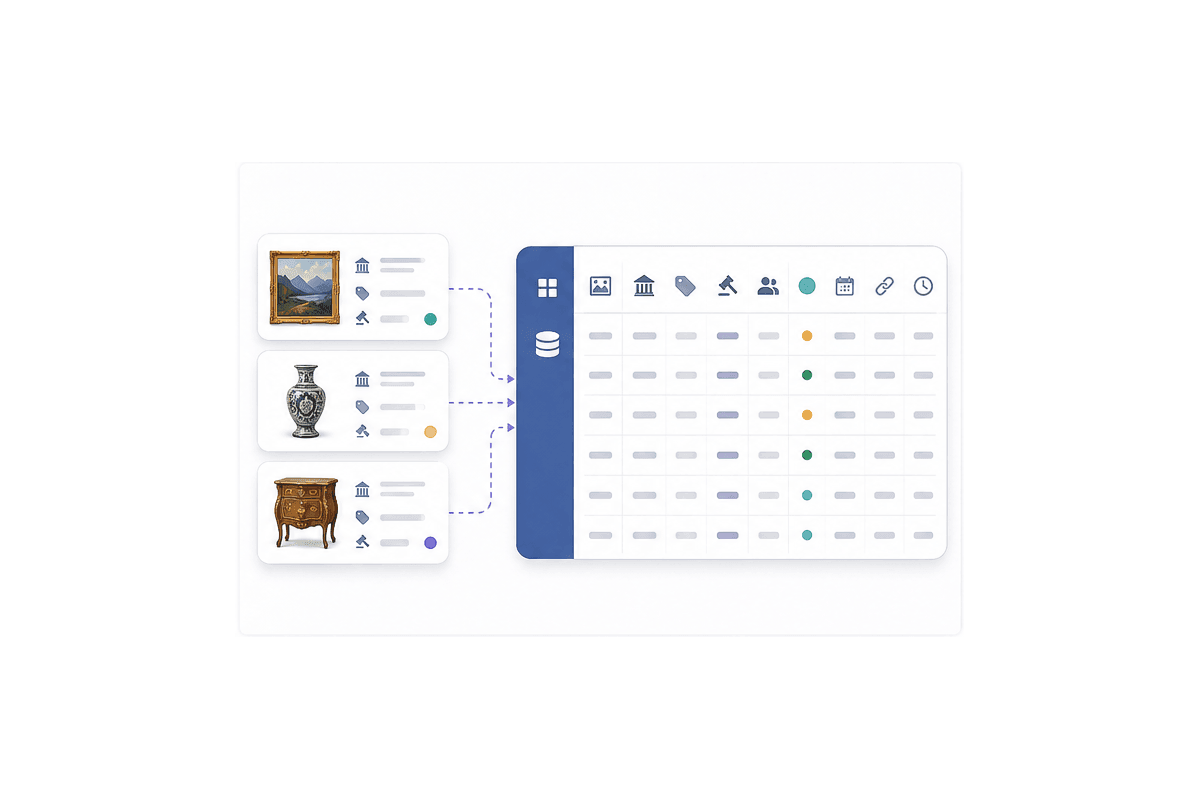
Turn changing auction pages into a consistent data workflow
Auction research teams often rebuild lot findings through repeated searches, screenshots, and spreadsheets that fall behind when estimates, status, or results change.
Unmanaged scripts struggle with pagination, optional bid signals, missing estimates, and layout shifts, which makes comparable-lot and auction-house monitoring difficult to trust.
A managed workflow defines the approved public page set first, then maps lot identity, auction context, pricing signals, item attributes, and collection metadata into a maintainable schema with transparent missing-value handling.
What the LiveAuctioneers Scraper Service Provides
Nenodata scopes collection around the publicly visible LiveAuctioneers lot, auction, and result pages you need for benchmarking, research, monitoring, or valuation workflows.
Engagements may include lot identity, auction and auction-house context, pricing and estimate signals, public bid indicators, item attributes and condition, dates and status, and collection metadata when those elements are publicly displayed and included in the agreed schema.
Coverage, field availability, and refresh cadence are agreed during scoping. Private accounts, bidder identities, and restricted materials remain out of scope. Broader extraction programs may extend through enterprise web scraping services. Structured downstream delivery may also use custom data pipelines.
Sample output and proof
Review an illustrative schema for lot identity, auction context, estimate and price signals, status, source URL, and collection time. Missing optional values remain null rather than invented.
Illustrative example
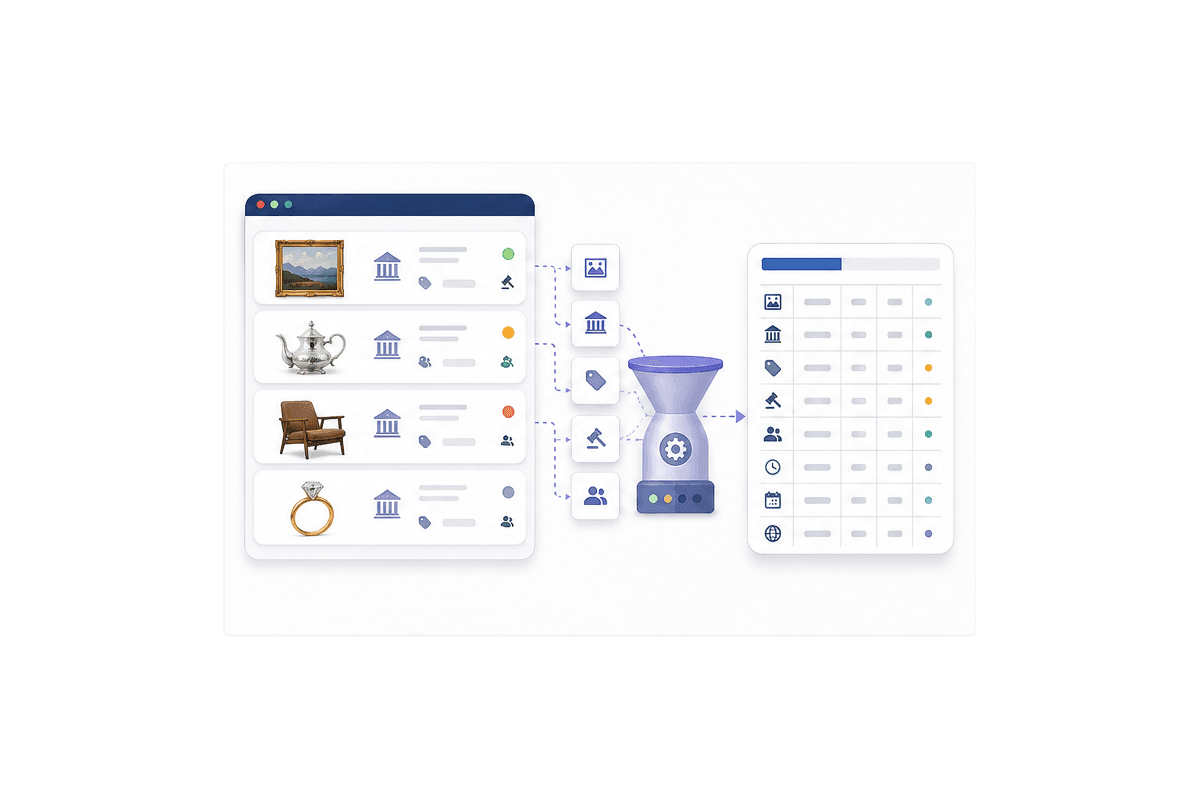
| lot_title | lot_number | auction_house | estimate_low | estimate_high | hammer_price | lot_status | lot_url | collected_at |
|---|---|---|---|---|---|---|---|---|
| Example Landscape Oil Painting | EXAMPLE-142 | Example Auction House | 1200 | 1800 | null | Upcoming | https://example.com/lot/EXAMPLE-142 | YYYY-MM-DDTHH:mm:ssZ |
| Example Sterling Silver Pair | EXAMPLE-218 | Example Estate Sales | 400 | 600 | 525 | Sold | https://example.com/lot/EXAMPLE-218 | YYYY-MM-DDTHH:mm:ssZ |
| Example Mid-Century Chair | EXAMPLE-305 | Example Design Auction | null | null | null | Open | https://example.com/lot/EXAMPLE-305 | YYYY-MM-DDTHH:mm:ssZ |
JSON structure
{
  "lot_title": "Example Landscape Oil Painting",
  "lot_number": "EXAMPLE-142",
  "lot_url": "https://example.com/lot/EXAMPLE-142",
  "auction_title": "Example Fine Art Sale",
  "auction_house": "Example Auction House",
  "estimate_low": 1200,
  "estimate_high": 1800,
  "currency": "USD",
  "hammer_price": null,
  "bid_count": null,
  "lot_status": "Upcoming",
  "sale_date": "YYYY-MM-DD",
  "artist_or_maker": "Example Artist",
  "condition_note": null,
  "collected_at": "YYYY-MM-DDTHH:mm:ssZ"
}Potential data fields and delivery outputs
Potential fields depend on the approved public page set and agreed schema.
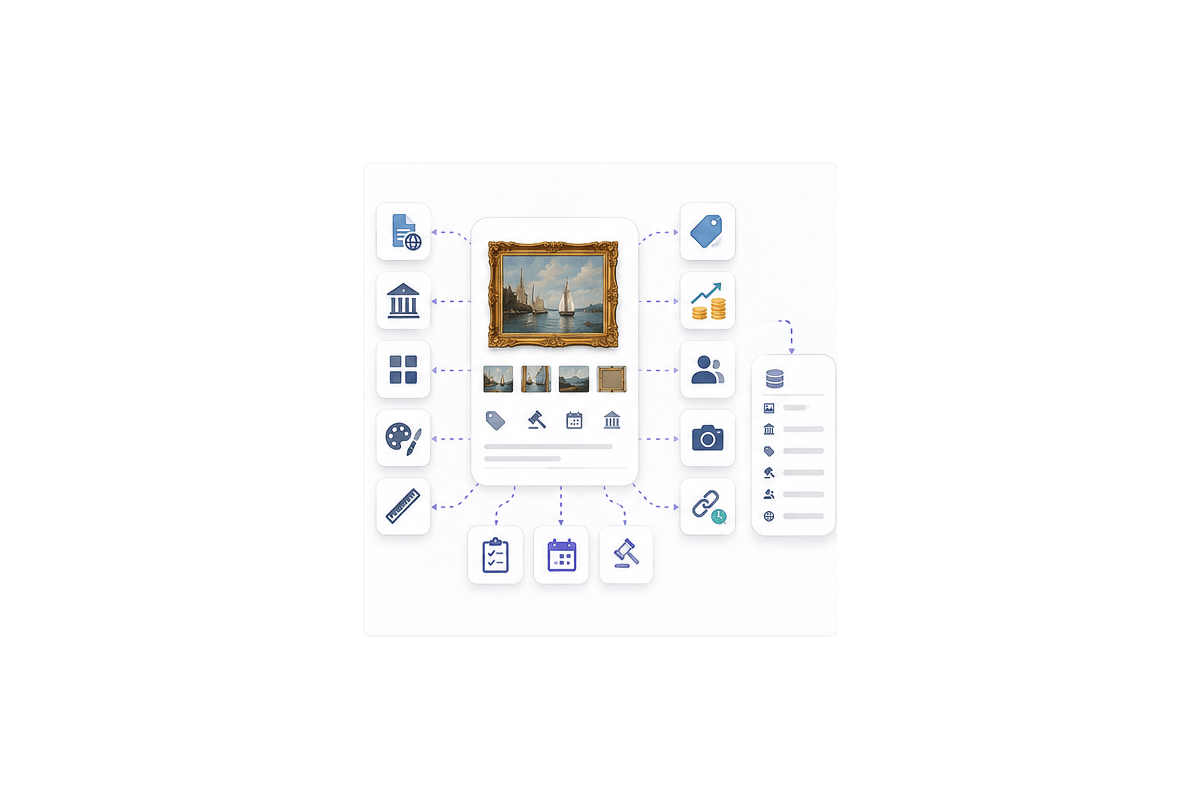
Lot identity
Lot titles, numbers, URLs, and related identity fields when publicly displayed and included in scope.
Auction and auction-house context
Auction titles, auction-house names, category cues, and related sale context where visible.
Pricing, estimate, and bid signals
Estimate ranges, hammer or result prices, currency, and public bid indicators when displayed. Null values remain explicit when unavailable.
Item attributes and condition
Artist or maker, medium, dimensions, condition notes, and related attributes when shown on approved pages.
Dates, status, source, and collection metadata
Sale dates, lot status, source URLs, and collection timestamps when scoped for monitoring.
Potential delivery formats
CSV, Excel, JSON, API-ready payloads, database-ready files, warehouse-ready files, scheduled delivery, and scoped webhooks when supported for the engagement.
Auction-data use cases
Auction price benchmarking
Research teams compare estimate and result signals across an approved lot set while preserving source URLs and timestamps. Related price intelligence solutions can support broader pricing programs.
Artist and maker market research
Analysts organize public lot observations by artist or maker for market tracking without inventing missing estimates or results.
Comparable-lot analysis
Valuation and research teams assemble structured comparables with explicit null handling instead of inconsistent spreadsheet extracts.
Auction-house and category monitoring
Operators track category and auction-house activity when recurring delivery is included in scope. Related current web data collection covers broader recurring-web programs.
Collectibles and luxury-market intelligence
Strategy teams retain structured public lot signals for collectibles and luxury research workflows.
Historical result datasets
Data teams consolidate approved public results into historical analysis sets with source-linked observation times.
Valuation and discovery product feeds
Product teams load structured auction observations into discovery, valuation, or enrichment products when delivery is supported.
Inventory and acquisition research
Acquisition teams review public lot attributes and status signals for sourcing and inventory planning.
Who this service is for
This service is for auction researchers, valuation teams, collectibles and luxury analysts, market-intelligence groups, catalog and enrichment products, and internal data teams that need structured observations from agreed publicly visible LiveAuctioneers pages.
It fits organizations that want managed sample-first scoping rather than fragile one-off collection scripts.
This page does not claim LiveAuctioneers partnership, endorsement, private console access, bidder data access, or unrestricted marketplace coverage.
How the engagement works
The broader managed pattern is described in how Nenodata works. A representative sample supports rollout planning.
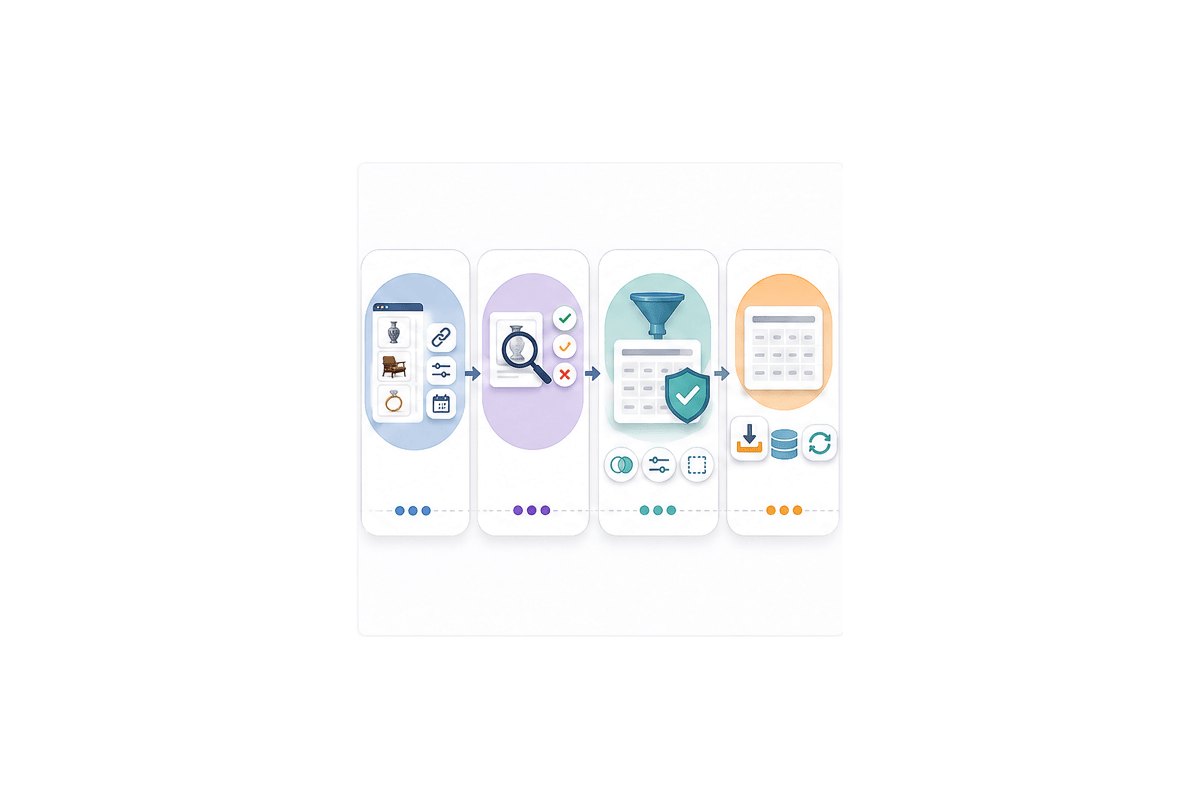
- Step 1
Share target pages and requirements
Share representative lot or auction URLs, required fields, intended use, delivery format, and one-time or recurring needs.
- Step 2
Review sample fields and scope
Nenodata reviews the agreed public pages and shares a representative sample so available, optional, and unavailable fields stay clear.
- Step 3
Configure, structure, and validate
Collection is configured and records are normalized so estimates, results, status, and null fields remain distinct.
- Step 4
Deliver and maintain the agreed feed
Structured outputs are delivered through the agreed method, with maintenance included when contracted.
Why choose Nenodata
Sample-first scoping
A representative sample shows which public pages and fields are available, optional, or unavailable for the agreed scope.
Sample-first schema planning
Field names, null handling, and destination mapping are planned around your research, monitoring, or product workflow.
Business-ready structure
Outputs are delivered as normalized records rather than leaving teams to clean raw auction extracts by hand.
Managed maintenance within scope
When included in scope, Nenodata maintains agreed handling for source-layout and delivery changes so internal teams avoid owning fragile collectors.
Flexible delivery design
Outputs are packaged for spreadsheets, APIs, databases, warehouses, and application systems when supported for the engagement.
Responsible collection boundaries
Work stays limited to approved public sources and intended uses. Private account or bidder information remains out of scope.
Delivery and integration
Delivery formats may include CSV, Excel, JSON, API-ready payloads, database-ready files, warehouse-ready files, scheduled delivery, and scoped webhooks when supported for the engagement.
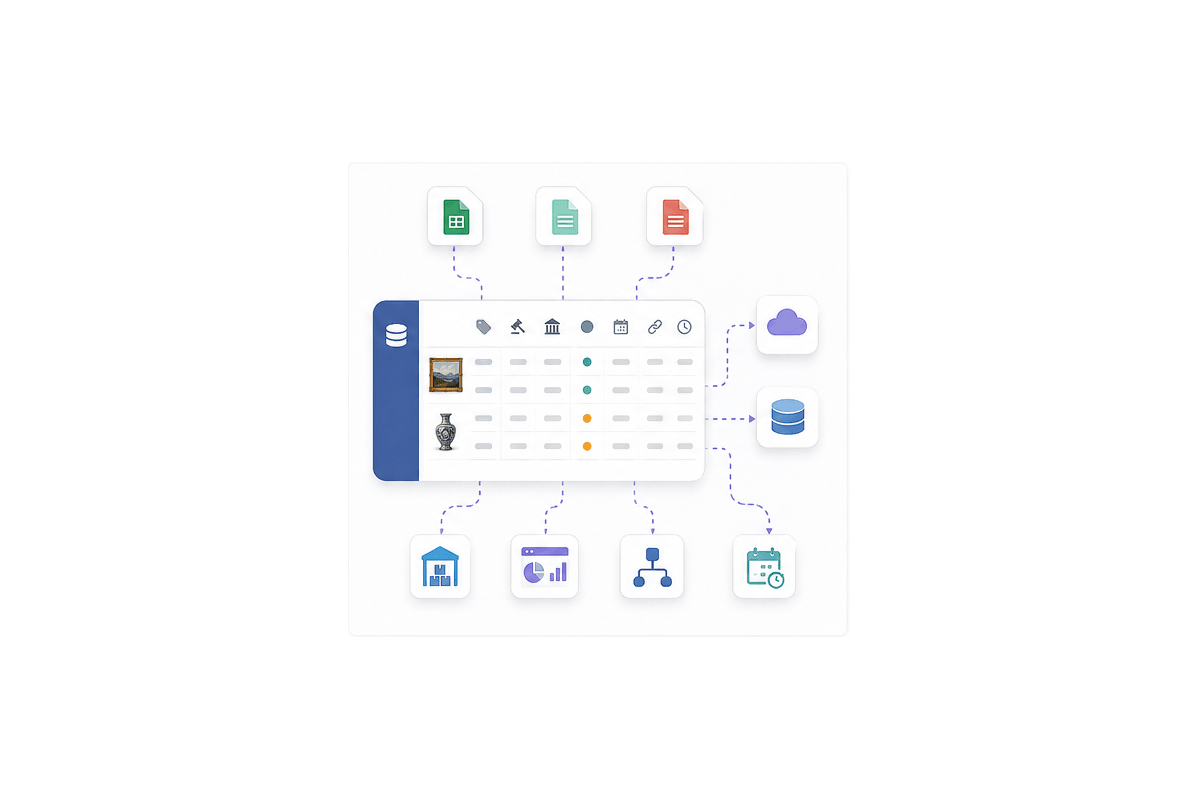
Files for analysis
CSV and Excel delivery for review, filtering, and analyst handoff.
API-ready structures
JSON and API-ready packaging for application and research pipelines where supported. API-ready output is not automatically a hosted live API.
Database and warehouse handoff
Database-ready and warehouse-ready files when destination mapping is included in the engagement.
Scheduled delivery and scoped webhooks
Scheduled file delivery and scoped webhook options when recurring collection is contracted.
Related: GovDeals government auction scraper · Copart public search scraper · Bring a Trailer auctions scraper
Frequently asked questions
Nenodata is not affiliated with LiveAuctioneers. This service describes a managed workflow for agreed publicly visible auction pages only.
Request a scoped auction-data sample
Share representative lot or auction URLs, required fields, expected volume, preferred format, and one-time or recurring needs so Nenodata can plan the next step.
Include business contact details when you contact Nenodata.
Ready to automate your data?
Tell us what you need. We'll build a custom scraping solution and deliver a free proof-of-concept within 48 hours.