Live Crawler Services for Current Web Data
Nenodata builds managed Live Crawler workflows that collect changing public web data on scheduled, on-demand, or change-oriented cadences, then structure and deliver records into the systems where your team acts. Freshness is scoped to your sources—not a blanket instant-update promise.
For site-wide discovery crawling, see enterprise web crawling. For JavaScript-heavy pages, see dynamic website scraping. Learn concepts in what is a live crawler.

Current web data changes faster than manual processes
Pricing, availability, listings, rates, promotions, and market signals can change several times between manual reviews. By the time a team copies the information into a spreadsheet, the source may already have changed again.
Internal crawlers can help initially, but they often become operational liabilities. JavaScript rendering changes, page layouts move, pagination behaves differently, and previously stable selectors stop returning the expected values. Engineering teams then spend time repairing collection logic rather than using the data.
The problem is not simply extracting a page. It is maintaining a dependable workflow that detects relevant information, turns it into a consistent structure, checks the result, and delivers it where a business team can act on it.
What Nenodata provides
Nenodata designs managed crawling workflows around the websites, pages, fields, and refresh requirements defined for each engagement, using public, permissioned, or otherwise appropriate sources.
The service can include source analysis, extraction configuration, handling of dynamic page elements, structured field mapping, cleaning, validation, monitoring, and delivery.
Private, restricted, protected, or unlawfully obtained data is outside scope. Live is a freshness model configured to your use case, not a blanket instant-update promise.
Collection frequency and delivery design should be agreed during scoping. Some workflows may require scheduled snapshots, while others may prioritize frequent checks or change-oriented monitoring. The appropriate model depends on how often the source changes, how quickly the information becomes useful, and what the source can reasonably support.
Live crawler vs enterprise crawl and the explainer blog
Use this page for change-oriented, scheduled, or on-demand collection of selected public pages into structured records. Use enterprise web crawling for site-wide discovery and revisit. Use the blog for concepts — not a service engagement.
| Page | Best for | Learn more |
|---|---|---|
| Live crawler | Scoped change checks, scheduled/on-demand feeds, structured delivery | This service |
| Enterprise web crawling | Domain discovery, path filters, revisit, and URL acceptance | Enterprise web crawling |
| What is a live crawler (blog) | Education and definitions — not managed collection or delivery | Live crawler guide |
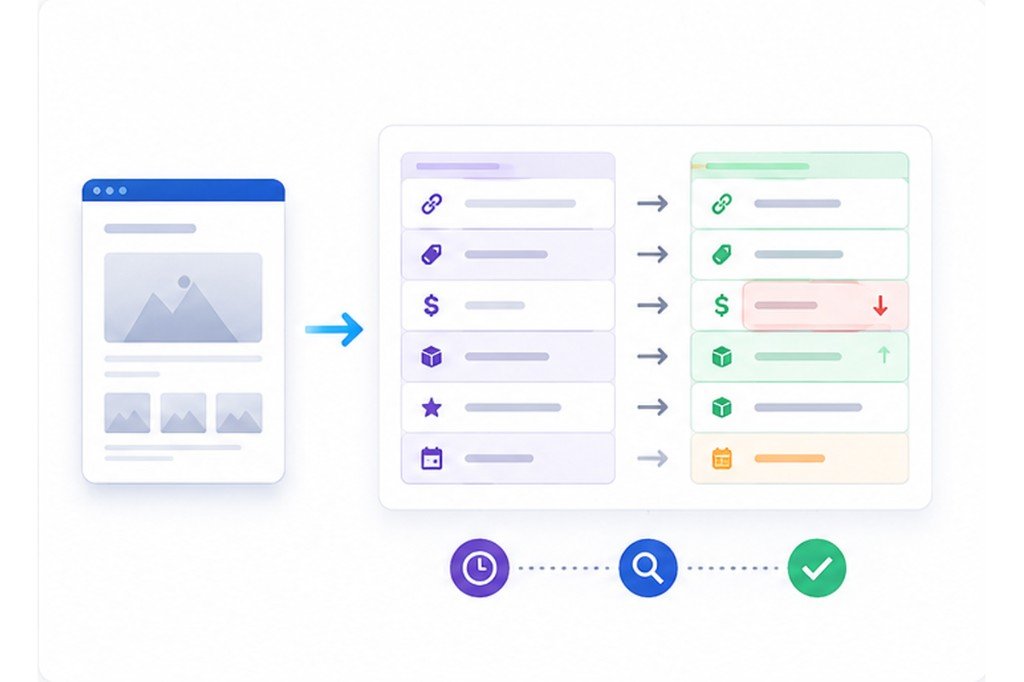
Sample output
Illustrative example
Illustrative example
{
  "source_url": "https://www.bestbuy.com/site/sony-wh-1000xm5/6505727.p",
  "entity_id": "6505727",
  "observed_at": "2026-08-17T14:00:00Z",
  "field": "price",
  "previous_value": 399.99,
  "current_value": 349.99,
  "currency": "USD",
  "change_type": "updated"
}
This sample is illustrative and should be replaced or approved with an anonymized Nenodata output during scoping.
Data Fields and Delivery Outputs
Illustrative examples
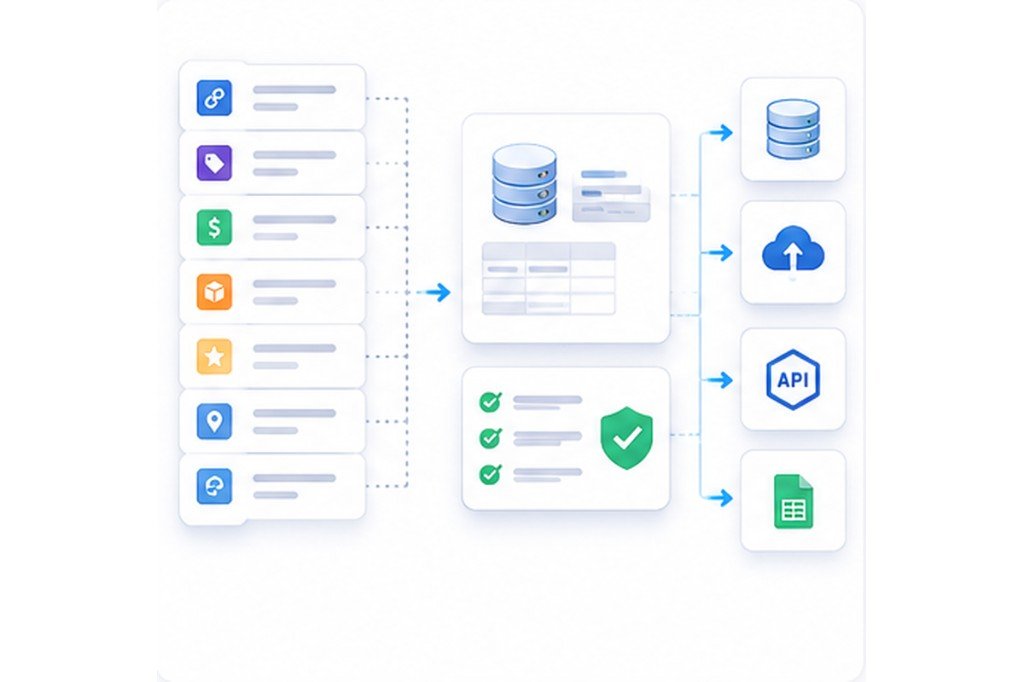
Source and page fields
- • Source URL
- • Page or entity identifier
- • Source category
- • Collection timestamp
- • Crawl or observation reference
Structured record fields
- • Product price
- • Stock or availability status
- • Listing title
- • Promotion text
- • Rating or review count
- • Location or property details
- • Travel rate or availability
Cleaning and validation outputs
- • Normalized field mapping
- • Deduplication status
- • Validation flags
- • Schema conformance result
- • Change classification
Delivery formats
- • CSV
- • Excel
- • JSON
- • XML
- • API endpoints
- • Webhooks
- • Database-ready files
Possible delivery options include JSON, CSV, XML, database-ready files, and API endpoints. Actual formats, fields, and destinations must be confirmed during technical scoping.
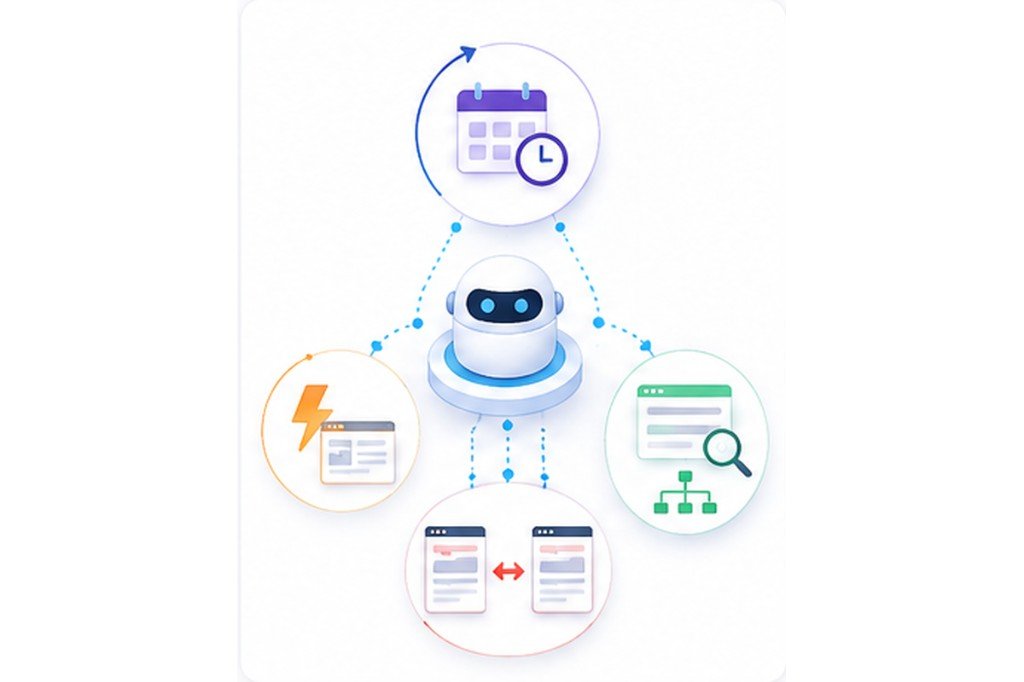
How Live Crawler Services Keep Web Data Current
Not every monitoring requirement needs the same collection pattern.
Scheduled Collection
Checks selected sources at agreed intervals and produces recurring snapshots. It can support reporting, recurring price checks, catalog monitoring, and research workflows.
On-Demand Collection
Starts when an application, analyst, or operational event requests updated information. The practical response time depends on the source, required fields, and agreed implementation.
Change-Oriented Monitoring
Compares new observations with previous records so relevant differences can be identified and passed to downstream teams or systems.
“Live” should not be interpreted as a universal guarantee of instant updates. Practical freshness depends on the source, the number of pages involved, the required fields, technical access conditions, and the agreed workflow.
Practical Use Cases
Competitor Price Monitoring
Pricing teams can miss market changes when competitor checks rely on manual reviews or outdated exports. A managed collection workflow can capture selected prices on an agreed schedule, structure each observation consistently, and deliver it into the team's analysis process so pricing decisions use a more current market view.
Product Availability Tracking
Stock status can change faster than merchandising or procurement teams can review individual product pages. Structured availability observations help teams compare current source conditions, identify relevant changes, and route those signals into replenishment, assortment, or reporting workflows without repeating the same page checks by hand.
Marketplace listing monitoring
Marketplaces, property portals, directories, and catalog sites continually add or remove records. A monitored workflow can collect selected listing details, assign consistent identifiers and fields, and help downstream teams distinguish newly observed entities from updates to records already present in their systems.
Promotion and content tracking
Promotion text, discounts, bundles, and campaign conditions often change without notice. Structured observations help commercial teams compare current offers across selected sources, retain the context surrounding each promotion, and reduce the time spent reopening pages to determine what changed and when it was first observed.
Travel and rate monitoring
Room prices, ticket prices, and availability can change frequently across dates and destinations. A scoped crawling workflow can collect selected route, property, date, or rate information, normalize the results, and deliver comparable records for revenue analysis, market monitoring, or customer-facing availability workflows.
Real estate listing updates
Terms, policies, notices, and public content may be updated without direct notification. A change-oriented process can preserve relevant observations, highlight modified fields or sections, and route them to the appropriate team for human review instead of relying on staff to revisit every monitored page.
Market and news signal tracking
Research teams may need current information from public announcements, directories, news pages, or market sources. Managed collection can reduce the time spent locating and normalizing relevant updates while giving analysts a consistent dataset they can filter, compare, and review within existing research workflows.
Review and rating monitoring
Ratings, review totals, and newly published feedback can influence product and market analysis. A structured collection workflow can place selected review signals into a consistent dataset, helping teams monitor volume and rating changes, prioritize deeper qualitative review, and compare trends across selected products or sources.
Who This Service Is For
This service is suited to teams that rely on current public web information but do not want to maintain collection infrastructure internally.
Typical users include pricing and revenue teams, data and engineering departments, product and catalog teams, market-intelligence functions, research groups, agencies, and software companies embedding external data into their products.
It is particularly relevant when source pages change regularly, internal scripts require frequent maintenance, or raw extraction results must be normalized before they can enter a database, warehouse, application, spreadsheet, or reporting workflow.
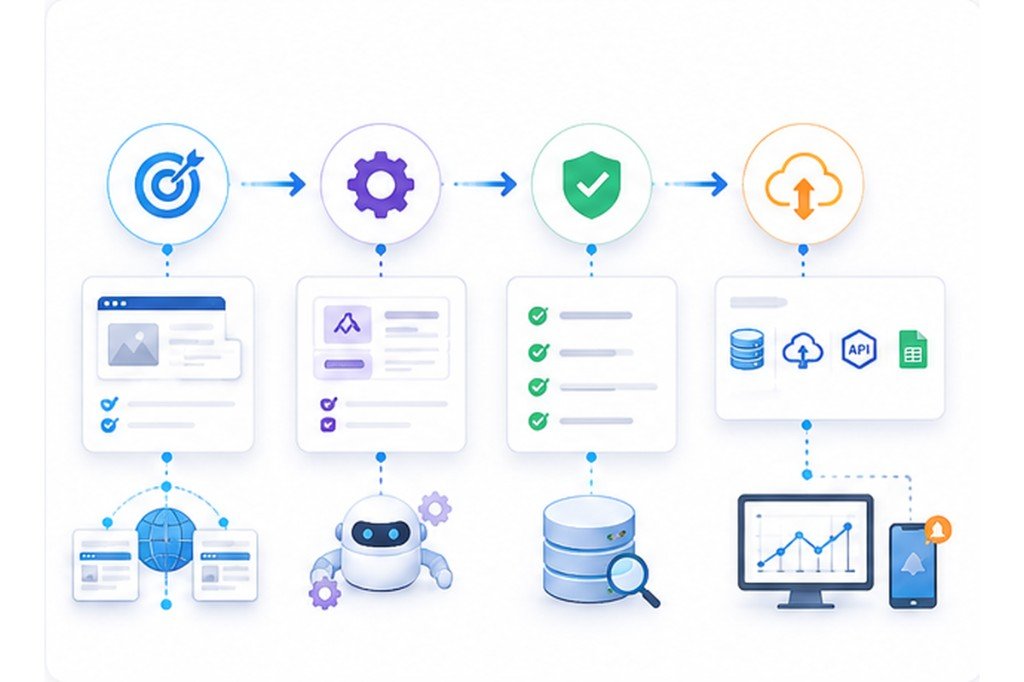
How It Works
Share the Requirements
Define the target sources, pages, fields, refresh expectations, intended use, output format, and destination system. Nenodata reviews the request to identify technical requirements, source limitations, and areas requiring clarification.
Configure the Collection
Nenodata maps the target content and develops the extraction workflow around the approved scope. This may include page navigation, dynamic content handling, pagination, field mapping, and source-specific collection logic.
Clean and Validate
Collected records are structured according to the agreed schema. Cleaning, normalization, deduplication, and validation rules are applied where included in the approved engagement.
Deliver and Maintain
The resulting data is delivered through the agreed method. The workflow can then be monitored and adjusted as sources or requirements change, subject to the contracted service scope.
Why Teams Choose Nenodata
Transparent freshness model
Nenodata begins with the source, fields, freshness needs, and destination workflow. This helps prevent a technically functional crawler from producing data that does not match the buyer's operating requirements.
Source-specific feasibility
The collection approach is configured around the selected websites rather than presented as a universal crawler that works identically everywhere. This provides a more credible basis for feasibility and maintenance planning.
Structured data, not raw dumps
The service is positioned around extracting and preparing defined information for business use, reducing the work required to turn page content into consistent records.
Delivery into existing workflows
Output format and delivery method are considered during scoping so the resulting data can fit the customer's database, application, analysis, or reporting process.
Responsible Collection Scope
Nenodata collects only information that can be accessed and processed appropriately for the approved use case. Private, restricted, protected, or unlawfully obtained data is outside the service scope.
Delivery and Integration Options
Depending on the approved scope, output may be delivered through structured files, APIs, databases, warehouses, spreadsheets, or other agreed destinations.
Not every option will be appropriate or available for every engagement.
The final delivery design should specify:
- Output format
- Destination system
- Authentication requirements
- Delivery schedule
- Update or replacement behavior
- Error-handling expectations
- Retention requirements
- Ownership of downstream integration work
Explore related capabilities through enterprise web crawling, dynamic website scraping, scraper maintenance and monitoring, enterprise web scraping, custom data pipelines, price intelligence, and what is a live crawler.
Frequently Asked Questions
Build a Current Web Data Workflow
Nenodata can help you scope a crawling workflow around the sources, fields, freshness model, and delivery destination your team needs.
After you submit the form, share your target sources, required fields, preferred delivery format, and refresh expectations so Nenodata can review feasibility.