MAP Pricing Compliance Monitoring: Advertised Price vs Threshold
Nenodata’s MAP Pricing Compliance Monitoring Services collect publicly advertised reseller prices against customer-supplied policy thresholds, then deliver structured review records for pricing, channel, and compliance teams to interpret.
For competitive market pricing (not policy thresholds), see price intelligence. For discount campaign tracking, see coupon and promotion monitoring.
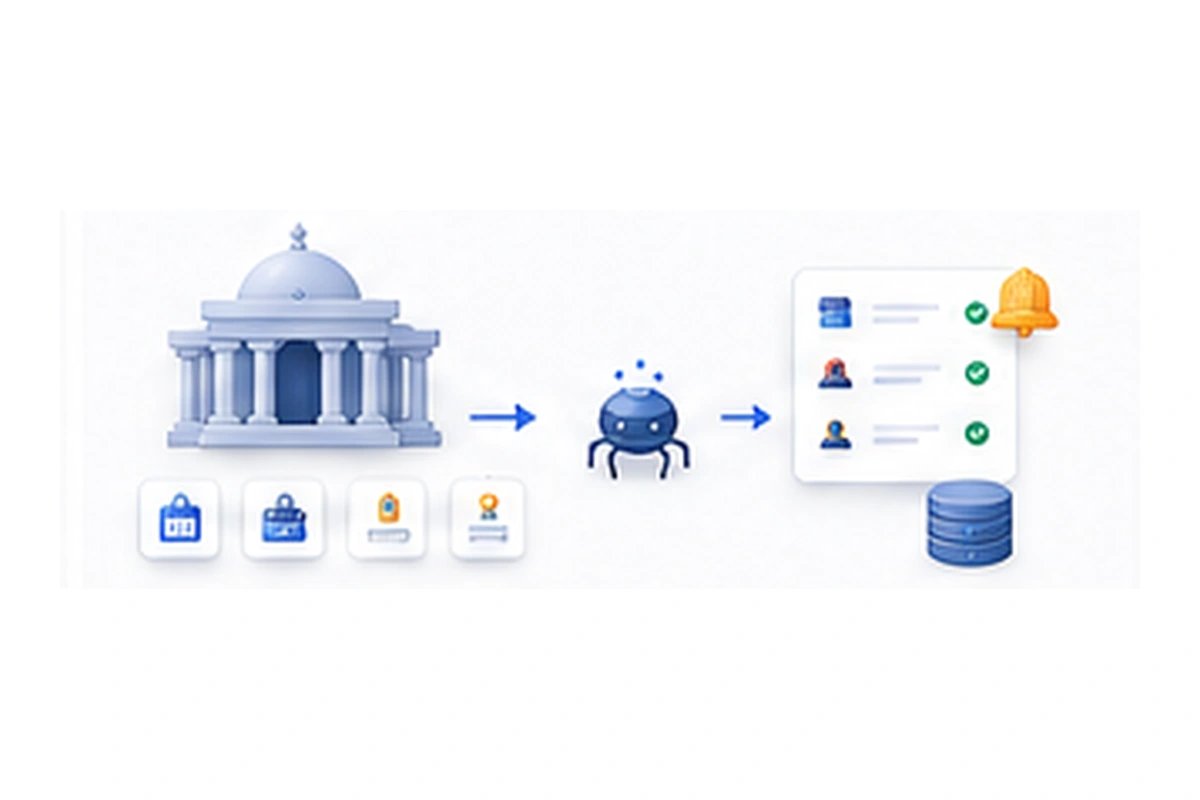
Replace fragile reseller-price spot checks
Reseller advertised prices change across marketplaces, storefronts, and promotions, which makes manual spot checks incomplete and difficult to compare over time.
Teams that rely on screenshots or one-off spreadsheets often lack consistent product matching, seller context, observation timestamps, and a clear record of how an advertised price relates to an internal policy threshold.
A managed monitoring workflow reviews agreed public sources, applies approved matching rules, and delivers structured records that support internal policy review without treating Nenodata output as a legal determination.
What MAP Pricing Compliance Monitoring Services Include
Nenodata scopes approved public reseller and marketplace sources, product identifiers, customer-supplied MAP or policy thresholds, required observation fields, refresh needs, and delivery destinations before monitoring begins.
Each observation can include product identity, seller or listing context, advertised price, supplied threshold, variance, promotion text where shown, review status, source URL, and observation time when those elements are available and included in the agreed schema.
This service focuses on threshold-based advertised-price review records—not competitive market pricing or campaign-discount tracking. For competitive pricing, see price intelligence solutions. For seller-level and offer-landscape monitoring, see marketplace seller intelligence. For public discount and offer monitoring, see coupon and promotion monitoring. For a buyer’s guide to evaluating MAP platforms, see MAP compliance monitoring tools. Nenodata does not interpret policy outcomes as legal violations, contact sellers, or perform enforcement actions.
MAP monitoring vs MAP tools and price intel
Use this page for advertised reseller price vs a customer MAP threshold. Use the MAP tools page to choose an approach. Use price intelligence for competitor market prices, not policy thresholds.
| Source | Best for | Learn more |
|---|---|---|
| MAP monitoring | Advertised price, MAP threshold, variance, seller, observed_at | This service |
| MAP tools guide | How to choose a MAP approach — not a monitoring feed | MAP tools guide |
| Price intelligence | Competitor market prices and assortment — not policy thresholds | Price intelligence |
Review a representative monitoring record
Illustrative example
This example demonstrates a possible review-record structure. It is not customer data, a legal finding, or confirmation that every field is available for every project.
| Field | Value |
|---|---|
| product_id | 6461323 |
| sku | 6461323 |
| product_title | Anker Soundcore Life Q30 Headphones |
| source_site | bestbuy.com |
| source_url | https://www.bestbuy.com/site/anker-soundcore-life-q30-wireless-headphones/6461323.p |
| seller_name | Best Buy |
| observed_advertised_price | 69.99 |
| map_threshold | 79.99 |
| variance_amount | -10.00 |
| review_flag | Review required |
| promotion_text | Save $10 |
| exception_flag | none |
| currency | USD |
| observed_at | 2026-08-12T13:28:05Z |
The review_flag value is an operational review label only. It is not a legal finding.
Data fields and outputs
Delivery format is confirmed during scoping. General Nenodata workflows may support CSV, Excel, JSON, API-ready records, database-ready files, scheduled files, or scoped webhooks. Availability depends on the agreed project scope.
Product identity
Product ID, SKU, title, and other identifiers used to match the observed listing to the customer’s catalog where supported.
Policy inputs
Customer-supplied MAP or policy thresholds, exception rules where confirmed, and related reference values used only as comparison inputs.
Advertised-price observation
Publicly displayed advertised price, currency, variance from the supplied threshold, and promotion text where shown.
Seller and listing context
Seller name, source site, listing URL, and other publicly visible listing context. Seller identification is based on visible listing context and is not guaranteed for every source.
Review status
Operational review labels such as review_flag and exception_flag where confirmed. These labels support internal review and are not legal findings.
Delivery metadata
Observation timestamp, collection reference, schema version, and delivery batch identifiers where scoped.
Use cases
Reseller policy review
Pricing and channel teams need consistent records of publicly advertised reseller prices against internal thresholds so reviewers can prioritize follow-up without rebuilding spreadsheet checks.
Marketplace observation
Marketplace listings change quickly. Structured observations help teams review advertised prices and seller context from agreed public marketplace pages, including Amazon marketplace data when Amazon sources are in scope.
Promotion and exception audits
Promotion text can explain why an advertised price differs from a threshold. Where confirmed, promotion and exception fields help teams review those cases without treating every variance as a policy breach.
Regional policy review
Where regional sources and thresholds are approved, teams can review advertised-price observations across markets using a shared record structure.
Repeat-exception analysis
Recurring observations help teams review whether the same product, seller, or source repeatedly requires follow-up under the customer’s internal process.
Channel and legal-team reporting
Structured records can be prepared for channel, pricing, or legal-team review workflows when the destination format is confirmed during scoping. Nenodata does not provide legal conclusions.
Who this service is for
This service is for brand, pricing, channel, marketplace, and compliance-operations teams that need structured advertised-price observations from agreed public reseller and marketplace sources.
It also fits data and analytics teams supporting internal policy-review workflows alongside retail and ecommerce data and Amazon marketplace pricing collection.
It is not intended for private seller dashboards, guaranteed complete-source coverage, seller outreach, or legal enforcement.
How it works
See also how Nenodata works.
- Step 1
Share requirements
Define target sources, product identifiers, customer-supplied thresholds, required fields, refresh needs, preferred format, and the teams that will use the records.
- Step 2
Configure the scope
Nenodata reviews source feasibility, matching rules, and field availability, then configures collection around the approved public sources and catalog inputs.
- Step 3
Validate and compare
Observed advertised prices are structured against the agreed schema and customer-supplied thresholds. Comparison and exception logic are included only where confirmed during scoping.
- Step 4
Deliver structured records
Review records are delivered through the confirmed method. Maintenance continues where included in the agreed support scope as supported source layouts change.
Why choose Nenodata
Start with a representative sample
Teams can validate product matches, available fields, and review-record structure before broader monitoring begins.
Define matching rules before monitoring
Variant and similar-product handling are confirmed during scoping so observations map to the intended catalog records where supported.
Scope sources and cadence responsibly
Source coverage and refresh frequency are confirmed per project rather than presented as continuous monitoring of every reseller or catalog.
Keep policy control with your team
Thresholds and exception interpretation remain customer-controlled. Nenodata delivers structured observations for internal review.
Fit records into existing workflows
Output format and destination are confirmed so records can support pricing, channel, or reporting processes.
Use approved public information
Collection stays within agreed public or permissioned boundaries. Private or restricted access is not assumed. Related extraction work may use enterprise web scraping when broader field collection is also required.
Delivery options
Spreadsheet delivery
CSV or Excel files can be prepared for pricing and channel review where scoped.
Structured system delivery
JSON, API-ready records, or database-ready files can be included when confirmed during scoping.
Recurring workflow delivery
Scheduled files or scoped webhooks may be used for recurring monitoring when included in the agreed engagement. Related delivery design may use custom data pipelines.
Frequently asked questions
Start with a representative sample
Share the products, sources, and policy thresholds you need reviewed. Nenodata will assess feasibility and provide a representative monitoring sample for approval.
Include sample product identifiers, target sources, threshold examples, required fields, and whether monitoring should be one-time or recurring.