Data Pipeline Observability and Schema Drift Monitoring
Nenodata provides Data Pipeline Observability and Schema Drift Monitoring for managed extraction workflows, comparing expected and observed schemas, validating agreed delivery conditions, and routing issues within a defined support scope.
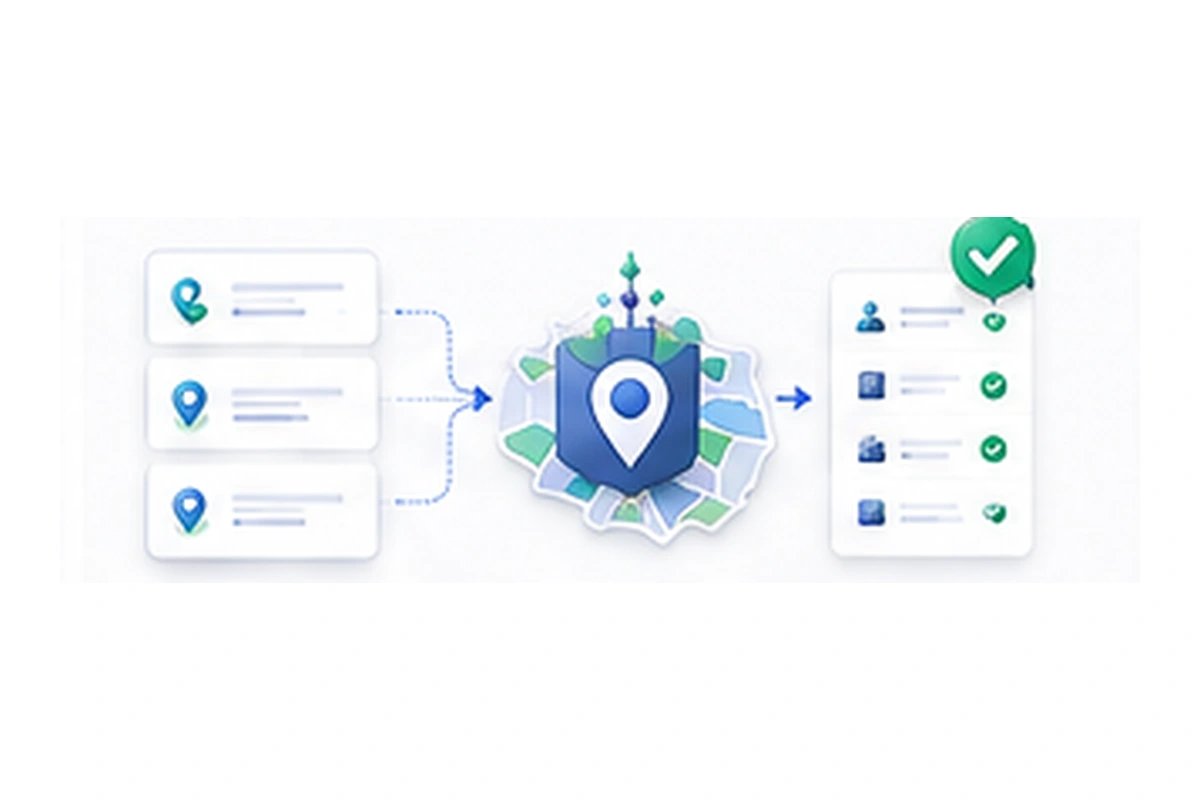
The Pipeline Reliability Problem
Extraction pipelines fail quietly when sources change field names or types, required attributes disappear, scheduled runs stall, or delivery destinations reject incomplete payloads.
Teams that learn about these failures only after reports or applications consume bad data spend more time on emergency fixes than on the decisions the pipeline was built to support.
A managed monitoring workflow watches agreed run, freshness, schema, completeness, and delivery conditions, classifies issues with enough context to investigate, and keeps ownership boundaries clear between Nenodata and customer systems.
Data Pipeline Observability and Schema Drift Monitoring
Nenodata scopes monitoring around a defined extraction workflow, the expected schema, validation rules, freshness and delivery expectations, and the issue-routing path before checks go live.
Engagements may include run-state signals, freshness checks, schema-conformance comparisons, record-completeness and quality conditions, delivery-outcome checks, and change or issue metadata, subject to project confirmation.
This service focuses on operating health, validation, schema conformance, issue routing, and scoped maintenance. Pipeline design, extraction architecture, implementation, and delivery remain covered by custom data pipelines. Monitoring does not imply autonomous remediation, universal coverage of every customer-owned stack, or guaranteed detection of every change.
Observability vs pipelines and live crawls
Use this page to watch schema drift, run status, and delivery holds. Use custom pipelines to build the workflow, or a live crawler for change-oriented collection — not alerting.
| Source | Best for | Learn more |
|---|---|---|
| Pipeline observability | Schema-change events, severity, and held deliveries | This service |
| Custom pipelines | Extraction, transform, and destination workflow build | Custom pipelines |
| Live crawler | Change-oriented collection and freshness — not alerting | Live crawler |
Illustrative Sample Output
The example shows how an expected-versus-observed schema comparison can be recorded with severity, destination, and delivery-status context for investigation.
Illustrative example
This event is illustrative and is not an actual Nenodata dashboard, audit trail, alert format, or customer result. Final fields depend on the approved monitoring specification.
Illustrative pipeline event showing an expected schema, observed field-type change, severity, and delivery destination.
{
  "pipeline_id": "extract-pricing-eu-01",
  "event_id": "schema-evt-1048",
  "detected_at": "2026-08-12T09:41:17Z",
  "expected_schema_version": "2026.06.01",
  "observed_change": {
    "field": "list_price",
    "change_type": "type_changed",
    "expected_type": "number",
    "observed_type": "string"
  },
  "severity": "high",
  "validation_status": "failed",
  "delivery_destination": "warehouse_ready_files",
  "delivery_status": "held",
  "recommended_next_step": "review_field_mapping"
}
Signals, Outputs, and Monitoring Lifecycle
Run state and execution
Track whether scoped pipeline runs start, complete, interrupt, or report execution errors within the agreed monitoring window.
Freshness and expected delivery
Compare observed delivery timing against the freshness expectations defined for the workflow.
Schema conformance
Compare expected and observed fields for additions, removals, renames, and type changes included in the monitoring rules.
Record completeness and quality
Watch agreed completeness, null-rate, duplicate, and missing-field conditions before records are treated as ready for use.
Delivery outcome
Record whether agreed destinations accepted, rejected, or held the latest delivery batch.
Change and issue metadata
Retain classification, severity, timestamps, and investigation context needed to route an issue without inventing root cause.
Monitoring lifecycle
Five-stage pipeline monitoring lifecycle from detection and validation to issue routing and scoped maintenance.
Scope boundary
Nenodata may detect, validate, classify, and route issues, and perform scoped extraction-workflow maintenance within contract. Remediation inside customer-owned systems remains with the customer unless separately included.
- Step 1
Detect
Observe agreed run, freshness, schema, quality, and delivery signals against the monitoring specification.
- Step 2
Validate
Confirm whether the observed condition violates an approved rule before an issue is raised.
- Step 3
Classify
Assign severity and change category so teams can prioritize investigation with shared context.
- Step 4
Route
Send the issue to the agreed owners and channels without implying unsupported autonomous repair.
- Step 5
Resolve or hand off
Complete scoped Nenodata maintenance where included, or hand remaining remediation to customer-owned systems.
Use Cases
Unexpected extraction-schema changes
Source pages or feeds rename fields or change types; teams need structured change events so mappings can be reviewed before bad records spread.
Missing business-critical fields
Required attributes drop out of a run; completeness checks surface the gap early enough to hold delivery when that rule is in scope.
Stale scheduled feeds
A scheduled extraction stops producing timely updates; freshness monitoring flags the delay against the agreed expectation.
Delivery and destination failures
Warehouse or file destinations reject a batch; delivery-outcome signals help operators separate extraction success from destination failure.
Changing marketplace and ecommerce sources
Retail and marketplace layouts shift often; schema and run checks support ongoing collection programs that already use real-time web crawling services or related extraction workflows.
Downstream schema protection
Analytics and application teams need confidence that delivered records still match the contract their models and imports expect.
Who This Service Is For
This service is for data, engineering, analytics, and operations teams that depend on recurring extraction workflows and need structured monitoring rather than ad hoc failure discovery.
It fits teams running Nenodata-managed pipelines and, where feasibility review allows, other approved extraction workflows with defined schemas and destinations.
It does not imply native support for every warehouse, orchestration platform, customer-owned pipeline, or application stack. Eligibility and access requirements are confirmed during scoping.
How It Works
- Step 1
Scope the workflow
Define the pipeline, expected schema, monitored conditions, destinations, ownership boundaries, and notification preferences.
- Step 2
Configure agreed checks
Implement the approved run, freshness, schema, completeness, and delivery checks against the monitoring specification.
- Step 3
Detect and validate issues
Compare observed results with expectations, validate rule breaches, and classify issues with investigation context.
- Step 4
Alert and maintain
Route issues through the agreed channels and perform scoped maintenance where the contract includes Nenodata support.
Why Choose Nenodata
Monitoring tied to a defined pipeline
Checks are configured around your workflow, schema, and destinations rather than a generic observability template.
Rules based on agreed expectations
Alerts follow approved conditions so teams can reduce noise from unchecked thresholds and undefined severity.
Actionable issue context
Issue records retain expected-versus-observed detail, severity, and delivery status to support investigation.
Clear ownership boundaries
Nenodata and customer responsibilities are documented so investigation and repair are not left ambiguous.
Monitoring connected to pipeline maintenance
Where included, monitoring feeds scoped extraction-workflow maintenance instead of stopping at an unanswered alert.
A service rather than another tool to operate
Nenodata operates the agreed monitoring model so internal teams are not asked to run a separate platform by default.
Integrations, Delivery, and Responsibility Boundaries
Supported output categories describe how monitoring events and related records may be prepared. Named platforms are not listed unless separately confirmed. Pipeline architecture and delivery design remain covered by custom data pipelines. Broader operating context is outlined in how Nenodata works.
- CSV
- Excel
- JSON
- APIs
- Webhooks
- Database-oriented delivery
- Warehouse-oriented delivery
Responsibility matrix
Responsibility matrix for pipeline monitoring, maintenance, and downstream remediation.
Swipe horizontally to review all matrix columns.
| Activity | Proposed owner | Notes |
|---|---|---|
| Define monitoring rules and severity | Joint | Agreed during scoping |
| Detect and validate monitoring conditions | Nenodata | Within contract scope |
| Classify and route issues | Nenodata | Using approved channels |
| Scoped extraction-workflow maintenance | Nenodata | When included in the engagement |
| Upstream source access and policy decisions | Customer | Customer-owned responsibility |
| Downstream system remediation | Customer | Unless separately included |
Frequently Asked Questions
Review Your Pipeline Monitoring Requirements
Share the pipeline, expected schema, monitored conditions, destinations, and ownership preferences. Nenodata will review feasibility before configuring checks.
Include pipeline context, expected schema or sample records, freshness and delivery expectations, preferred alert path, and whether maintenance support should be included when you contact Nenodata.