Subscription Pricing Intelligence Services
Nenodata’s Subscription Pricing Intelligence Services collect publicly visible competitor plans, prices, features, billing periods, and packaging changes from agreed sources, then structure each observation for comparison and monitoring where those pages remain publicly accessible.
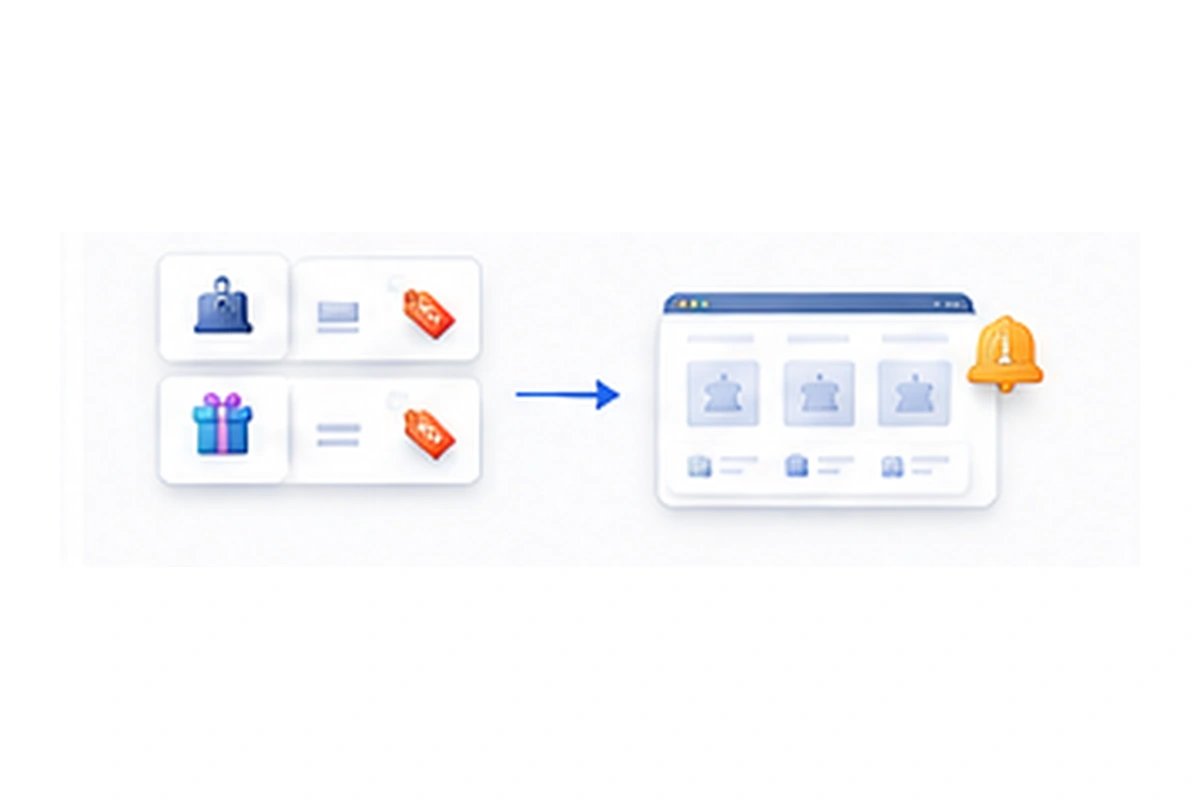
The Subscription-Pricing Monitoring Problem
Competitor subscription pages present plans, billing toggles, usage allowances, and feature lists in layouts that differ by provider, region, and experiment, so screenshots and ad hoc notes are hard to compare.
Teams that track SaaS pricing intelligence with spreadsheets struggle to retain source-level values, normalize billing periods, and explain when packaging or list prices changed.
A managed collection workflow reviews approved public pricing pages first, maps available fields into a comparable schema, and delivers structured records without inventing missing values or treating restricted pages as in scope.
What Subscription Pricing Intelligence Services Monitor
Nenodata scopes approved public pricing pages, required plan and packaging fields, refresh needs, and delivery destinations first. Subscription price monitoring begins only after that scope is confirmed.
Engagements can include plan names, displayed prices and currencies, monthly and annual billing periods, visible usage allowances, feature labels, add-ons, free-plan or free-trial states, enterprise-contact states, and agreed change observations when those elements are publicly visible and included in the schema.
This service is managed public-page data collection, not pricing consultancy, willingness-to-pay research, or automated repricing advice. Broader ecommerce and SKU workflows belong with price intelligence solutions. Larger multi-source programs may use enterprise web scraping or custom data pipelines. Coverage, refresh cadence, and delivery formats are confirmed during scoping. Competitor pricing page monitoring covers only approved publicly visible business fields.
Representative Structured Output
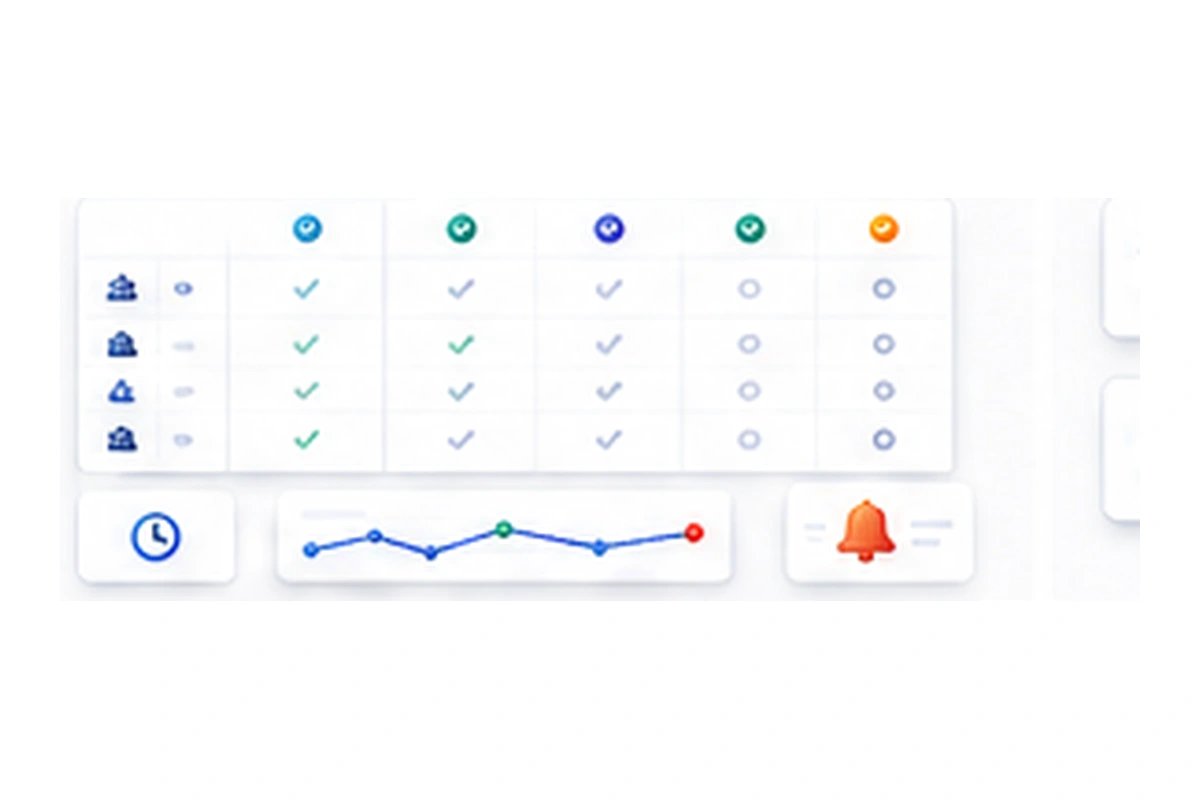
The example shows how a fictional public pricing card can map into a structured subscription plan record with billing, packaging, and source metadata.
Illustrative example
This record is illustrative and is not an approved Nenodata deliverable or customer result. Final fields depend on project scope and what approved public sources display.
{
  "provider_name": "Northwind Analytics",
  "source_url": "https://example.com/pricing",
  "plan_name": "Growth",
  "tier_position": 2,
  "price_displayed": 79,
  "currency": "USD",
  "billing_period": "monthly",
  "annual_equivalent_note": "derived_when_annual_toggle_visible",
  "usage_allowance": "10 seats",
  "feature_labels": ["Shared dashboards", "API access"],
  "addon_labels": ["Extra seats"],
  "free_trial_state": "14-day trial",
  "enterprise_contact_state": null,
  "availability_note": "visible_on_source",
  "observed_at": "YYYY-MM-DDTHH:mm:ssZ",
  "change_category": "price_update"
}
Source-level wording is retained where scoped. Derived notes, such as annual equivalents, are labelled separately from values that appear directly on the page.
Data Fields and Delivery Outputs
Field availability depends on approved public sources. Delivery structure is confirmed during scoping.
Plan identity
Identify the provider and plan so teams can compare tiers across competitors.
- • Provider name where shown
- • Source URL
- • Plan name
- • Tier position where scoped
Pricing and billing
Capture list prices and billing period signals needed for side-by-side review.
- • Displayed price where shown
- • Currency where shown
- • Monthly and annual billing periods where shown
- • Pricing unit or value metric where shown
Packaging and included usage
Retain visible allowances and packaging labels that affect plan value.
- • Seats, storage, credits, or similar allowances where shown
- • Included feature labels where shown
- • Add-on labels where shown
- • Visible packaging restrictions where shown
Offers and availability
Record free offers and contact-sales states without inventing negotiated terms.
- • Free-plan or free-trial states where shown
- • Enterprise-contact or Contact Sales states where shown
- • Introductory offer text where shown
- • Plan availability notes where shown
Source and change metadata
Preserve evidence needed to inspect observations and agreed changes.
- • Observation timestamp
- • Source-level text retention where scoped
- • Visible versus derived field notes
- • Agreed change categories where scoped
Delivery formats
Formats are confirmed during scoping for the systems that will consume the records.
- • CSV where confirmed
- • Excel where confirmed
- • JSON where confirmed
- • Structured import files where confirmed
Use Cases
Competitor plan benchmarking
Product and pricing teams compare publicly listed plans, billing periods, and packaging across an agreed competitor set instead of relying on screenshots.
Packaging-change tracking
Commercial teams monitor when feature lists, usage allowances, or add-on wording change on approved public pricing pages.
New-market and product-launch research
Strategy teams review how competitors present plans and list prices in selected markets when those pages are publicly accessible and in scope.
Sales and battlecard updates
Sales enablement teams refresh battlecards with structured plan and packaging observations rather than outdated page captures.
Executive market reporting
Leadership reporting benefits from consistent fields for Subscription plan tracking that can be refreshed on an agreed schedule for market intelligence dataworkflows.
Pricing-review preparation
Pricing committees prepare reviews with source-backed plan and packaging records. For broader ecommerce context, see the price intelligence guide.
Dataset creation for internal analysis
Analytics teams assemble SaaS competitor pricing data into an agreed schema for internal models without treating the illustrative sample as a production standard.
Who This Service Is For
This service is for product, pricing, competitive-intelligence, sales-enablement, strategy, and analytics teams that need structured observations of public subscription plans and packaging.
It fits SaaS, software, and digital-service companies that monitor competitor pricing pages as part of commercial research.
It is not positioned for private account access, negotiated enterprise quotes, willingness-to-pay research, elasticity modelling, churn modelling, LTV analysis, revenue optimization, or automated repricing recommendations.
How It Works
The workflow follows the same feasibility-first pattern described in how Nenodata works. Collection stays limited to approved public pages.
Public-page boundary
Only approved publicly visible pricing-page fields are collected. Private, account-only, negotiated, and restricted sources remain out of scope.
- Step 1
Define the competitor set and schema
Agree the competitor URLs, required plan and packaging fields, refresh needs, and the systems that will use the records.
- Step 2
Configure public-page collection
Nenodata configures collection against approved public pricing pages and reviews layout feasibility before broader rollout.
- Step 3
Normalize and review sample records
Representative sample records are normalized into the agreed schema and reviewed so missing or non-comparable values stay empty rather than invented.
- Step 4
Deliver once or on an agreed schedule
Approved records are delivered through the confirmed method as a one-time dataset or on a recurring schedule included in the engagement.
Four-step Nenodata workflow for scoping, collecting, reviewing, and delivering public subscription pricing data.
Why Choose Nenodata
Sample-first scoping
Representative pages and fields are reviewed before broader monitoring commitments so feasibility is clear early.
A schema designed for comparability
Source-level values and normalized fields are kept distinct so teams can compare plans without losing what the page actually showed.
Feasibility before promises
Dynamic pages, localized variants, and incomplete pricing cards are assessed during scoping rather than assumed to be fully collectable.
Managed workflow maintenance
When supported public layouts change, maintenance continues where included in the agreed service scope.
Business-ready structured output
Deliverables are structured records prepared for the confirmed destination, not screenshots or unstructured page dumps.
Responsible source boundaries
Engagements stay limited to approved publicly visible business fields and do not imply access to private or restricted pricing data.
Integrations and Delivery
Delivery destinations and formats are confirmed during scoping based on the approved dataset and the systems that will consume the records.
Prepared import files are commonly discussed for spreadsheet and structured-file workflows. API-ready, warehouse, CRM, dashboard, webhook, and alert destinations are included only when separately confirmed for the engagement.
Records may be prepared for downstream systems through custom data pipelines when that workflow is in scope. Named integration logos are not shown unless a native integration is confirmed.
- CSV where confirmed
- Excel where confirmed
- JSON where confirmed
- Structured import files where confirmed
Related services: competitor price intelligence, Stripe App Marketplace scraper, HubSpot Marketplace scraper, enterprise web scraping, and custom data pipelines.
Frequently Asked Questions
Turn Public Pricing Pages Into a Defined Dataset
Share representative competitor URLs, the plan and packaging fields you need, preferred format, and whether delivery should be one-time or recurring. Nenodata will review public-page feasibility before broader rollout.
Include representative competitor URLs, required data fields, preferred output format, and proposed monitoring frequency when you contact Nenodata.