Listing Data
Structured listing-level records
UK Property Data Extraction
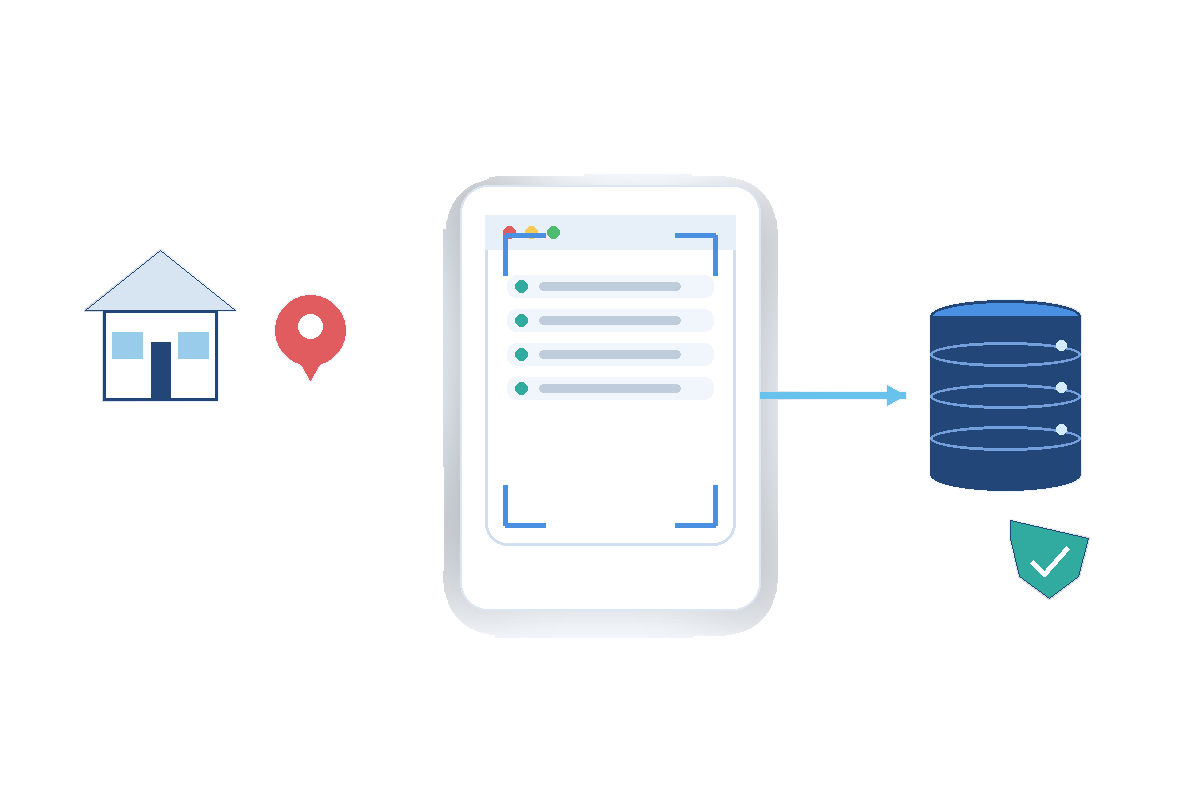
Nenodata scopes, builds, and maintains a Rightmove Property Scraper workflow that turns agreed public or permissioned UK listing sources into structured listing-level records—price, beds, status, and location fields—for monitoring and enrichment. For recurring managed UK property market feeds, see Rightmove Data Scraping Services.
Structured listing-level records
Observed price and public status signals
Source references and timestamps
Files, API-oriented structures and integrations
UK Property Data
Property listings on UK portals can change price, availability, agent context, and optional attributes by listing, postcode area, property type, and observation time. Values copied manually may no longer match the visible record when product, analytics, or investment teams review them later.
Search and listing pages combine address context, pricing signals, property attributes, and metadata that are difficult to keep consistent across large inventories without stable selectors, duplicate handling, and collection timestamps.
Internal scripts add maintenance overhead when page layouts, status labels, or field availability change. Teams need a managed workflow that keeps source references, validation notes, and exception reporting visible rather than hiding gaps behind silent defaults.
Property Listing
Price
£425,000
£410,000
Status
Beds
3
Observed
12 Aug 2026
Managed Extraction
Nenodata configures managed property-data collection around approved public or permissioned sources, required fields, geography filters, validation rules, refresh cadence, and delivery destinations before production work begins.
Depending on approved scope and intended-use review, outputs may include listing identity, property attributes, pricing and status signals, location context, agency or branch fields where displayed, and collection metadata when those elements are included in the agreed schema.
Nenodata does not claim official Rightmove access, partnership, endorsement, or unrestricted nationwide coverage. Broader managed programs may extend through Nenodata fully managed web scraping services and property-data integration through the Nenodata real estate API when downstream product packaging is in scope. Source sets, fields, cadence, and destinations are agreed during scoping.
Service Scope
Use this page for one Rightmove listing at a time (price, beds, status). Use the market-feeds page for postcode stock and price-change counts, or PropertyFinder for UAE listings.
One listing: GBP price, beds, status, postcode, agent
This servicePostcode stock, median ask, new listings, and price-cut counts
Rightmove market feedsUAE listings: community, AED price, beds, agent
PropertyFinder scrapingData Schema
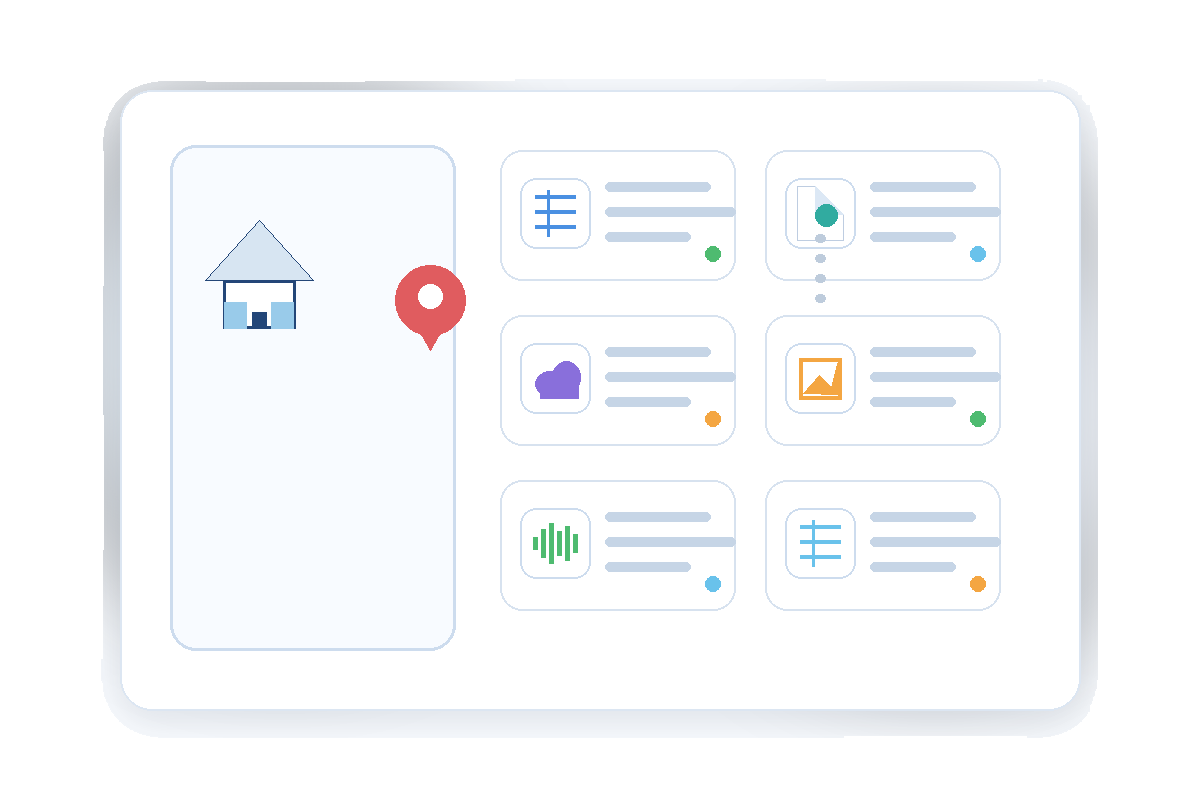
Review a property field schema with identity, price, status, location, timestamps, and validation columns.
Illustrative example
| Field | Illustrative role | Availability |
|---|---|---|
listing_id | Listing reference where displayed | Conditional |
source_url | Source page reference for audit review | Displayed |
property_address | Street address or location text | Conditional |
postcode | Postcode where publicly shown | Conditional |
list_price | Asking price where displayed | Conditional |
listing_status | Public status label on observed record | Conditional |
property_type | Property type label where shown | Conditional |
bedrooms | Bedroom count where visible | Conditional |
agent_name | Agent label where publicly displayed | Conditional |
branch_name | Branch or agency context where shown | Conditional |
collected_at | Collection timestamp | Displayed |
validation_status | Agreed validation label | Displayed |
field_availability_note | Missing or ambiguous value explanation | Displayed |
{
  "listing_id": "139184201",
  "source_url": "https://www.rightmove.co.uk/properties/139184201",
  "property_address": "12 Whitehall Court",
  "postcode": "SW1A 2AA",
  "list_price": 1250000,
  "listing_status": "For sale",
  "property_type": "Flat",
  "bedrooms": 2,
  "agent_name": "Northshore Lettings",
  "collected_at": "2026-08-12T10:22:18Z",
  "validation_status": "passed"
}
Available Fields
Potential field groups depend on approved sources, agreed schema, and technical feasibility. Groups below are not guarantees of coverage.
Listing identifiers, source URLs, listing types, and page references where publicly displayed and included in scope.
Bedrooms, bathrooms, property type, tenure, and related public attribute fields where shown on agreed pages.
List or rent price, previous price context, status labels, and price-change signals where displayed—not assumed for every record.
Address components, postcode, town or city, county, and related location context where publicly available.
Agent, branch, or agency labels and contact URLs only when publicly shown and approved for the intended use.
Collection timestamps, field-availability notes, validation status, duplicate-review markers, and exception notes.
CSV, Excel, JSON, API-oriented structures, webhooks, databases, CRM workflows, warehouses, and scheduled feeds when agreed during scoping.
Use Cases
Monitor scoped listing observations for agreed geographies and property types with collection timestamps for later comparison.
Use caseGroup normalized listing observations by postcode, town, or other agreed geography fields for internal reporting workflows.
Use caseTrack scoped price and status signals over time without implying guaranteed complete price history.
Use caseSupplement internal property records with listing context when approved fields fit the product workflow and intended use is agreed during scoping.
Use caseSupport internal screening libraries with structured listing records while preserving source references and limitation language.
Use caseReview agent or branch-related public fields where displayed and included in the scoped schema.
Use caseFeed agreed structured records into reporting tools without treating illustrative schemas as confirmed production coverage.
Use caseAudience
This service is for PropTech product and engineering teams, real-estate analytics groups, property investment platforms, brokerages, estate-agency groups, and enterprise data teams that need structured UK listing observations with sample-first scoping.
Workflow
The broader delivery pattern is described in how Nenodata works across managed public-data engagements.
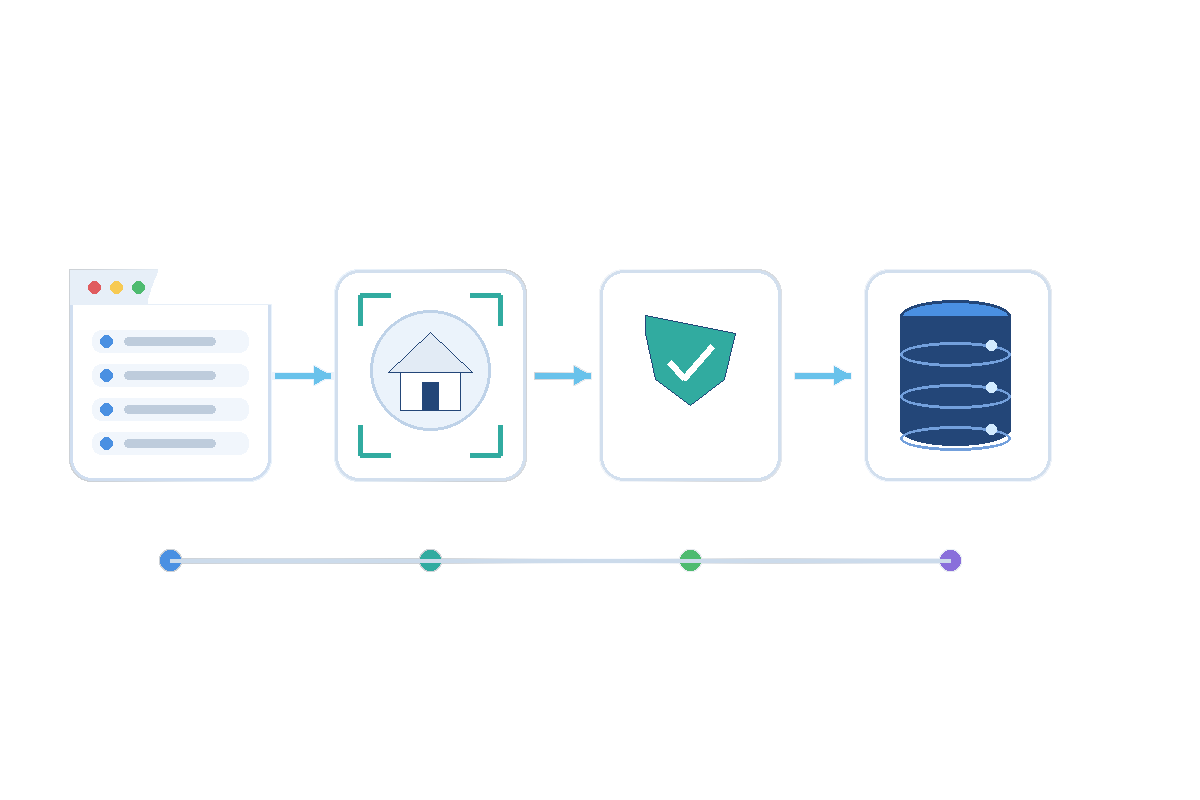
01
Share representative sources or search criteria, required fields, geography filters, intended use, refresh need, and delivery destination.
02
Nenodata reviews source access, permitted use, field availability, and refresh expectations before configuring collection.
03
Records are collected, normalized, and validated so missing values, duplicates, and collection timestamps remain visible rather than silently overwritten.
04
Structured outputs are delivered once or on a recurring schedule through formats and destinations agreed during scoping, with maintenance where included in approved scope.
Why Nenodata
Representative sources, fields, geographies, and volume are reviewed through a sample before production scale.
Field names, validation rules, and destination mapping are planned around your existing systems during scoping.
Field-availability notes, validation status, and exception handling stay with each record when values cannot be confirmed on observed pages.
When included in scope, Nenodata maintains agreed handling for source-layout and schema changes rather than shifting every update to internal engineering.
Outputs can be scoped for files, API-oriented structures, webhooks, databases, CRM workflows, and warehouses when destination requirements are agreed.
Work stays limited to approved public or permissioned sources and intended uses reviewed during scoping. Private, login-protected, and restricted sources remain out of scope.
Delivery
Delivery formats and destinations are agreed during scoping. Options remain conditional on technical feasibility and are not guaranteed before representative testing.
Review pricing and custom plans before confirming scope. API-oriented output refers to integration-ready payloads agreed during scoping—not a self-serve public listing API product unless separately verified. API documentation describes broader integration patterns where applicable.
FAQ
Public visibility does not remove the work of maintaining selectors, normalizing fields, handling missing values, and adapting to layout changes. Nenodata scopes that operational work around agreed sources, fields, and destinations.
Public visibility does not remove the work of maintaining selectors, normalizing fields, handling missing values, and adapting to layout changes. Nenodata scopes that operational work around agreed sources, fields, and destinations.
Exact fields depend on the approved source and agreed schema. Potential groups include listing identity, property attributes, pricing and status, location, agency context, and collection metadata.
Listing categories depend on approved public or permissioned sources and intended use. Page types, geographies, and field availability are confirmed during feasibility review—not assumed for every engagement.
One-time and recurring schedules can be discussed. Exact cadence depends on source behavior, filter scope, volume, and contracted maintenance. Real-time refresh is not promised without an approved technical definition.
CSV, Excel, JSON, API-oriented structures, webhooks, database delivery, CRM workflows, warehouse delivery, and scheduled feeds may be scoped when technically feasible. Final formats are agreed during scoping.
No. Nenodata is an independent data-services provider. This page does not claim partnership, endorsement, official authorization, or approved-provider status unless separately verified in writing.
Requirements vary by source terms, intended use, redistribution, and data-handling policies. Customers remain responsible for confirming permitted use. Nenodata reviews intended use during scoping and does not provide legal advice on this page.
Yes. Field names, normalization rules, validation labels, and destination mapping can be planned around your existing systems during scoping and sample review.
Conversion
Share representative sources or search criteria, required fields, geography filters, date range, intended use, one-time or recurring need, and preferred output destination so Nenodata can scope the next step.
Include source examples, required fields, filters, cadence, destination, and intended use when you discuss your data requirements through the contact flow.
Related UK and property data pages: Rightmove Data Scraping Services, Zillow property data service.
Tell us what you need. We'll build a custom scraping solution and deliver a free proof-of-concept within 48 hours.