Coupon & Promotion Monitoring for Ecommerce Offers
Nenodata scopes, builds, and maintains Coupon and Promotion Monitoring Services that track publicly displayed discounts, offers, and campaign signals across agreed ecommerce sources and deliver structured promotion records for analysis.
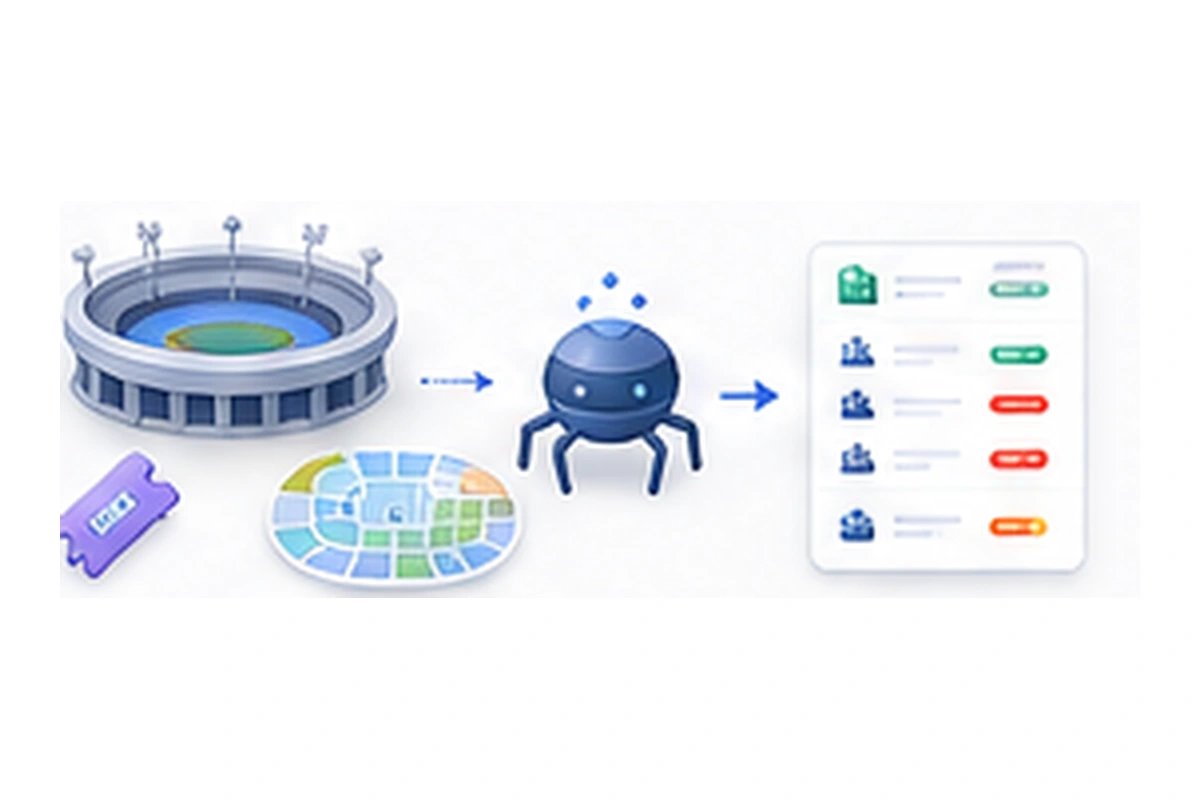
The Promotion Data Problem
Public promotions change quickly across retailers and marketplaces, with inconsistent badges, offer wording, discount mechanics, and campaign windows.
Teams that rely on screenshots or one-off spreadsheet checks struggle to compare offers, retain product context, and review how promotions changed over time.
A managed monitoring workflow reviews approved public sources first, maps available promotion signals into a consistent schema, and delivers records that support pricing, retail, and commercial analysis without inventing missing values.
What Coupon and Promotion Monitoring Services Include
Nenodata scopes approved ecommerce and marketplace sources, required promotion fields, product identifiers, refresh needs, and delivery destinations before monitoring begins.
Engagements can include sale prices, discount indicators, coupon or offer text, bundles, multibuys, free-shipping signals, campaign context, source evidence, and observation timestamps when those elements are publicly visible and included in the agreed schema.
This service focuses on publicly displayed promotions and offer indicators. Broader competitive-price, stock, shipping, and assortment workflows belong with price intelligence software, MAP pricing compliance monitoring and advertising intelligence data scraping. Coverage, refresh cadence, and delivery formats are confirmed during scoping.
Promotion monitoring vs other pricing services
Use this page for public coupon, discount, and campaign signals. Use MAP when the job is advertised-price compliance, or price intelligence for ongoing shelf prices.
| Source | Best for | Learn more |
|---|---|---|
| Coupon & promotion monitoring | Offer text, discount type, regular vs promo price, campaign window | This service |
| MAP compliance monitoring | Advertised-price policy checks across retailers | MAP monitoring |
| Price intelligence | Ongoing competitor shelf prices, stock, and assortment | Price intelligence |
From Public Offer to Structured Record
The example shows how a public offer observation can map into a structured promotion record with product, pricing, offer, source, and timestamp context.
Illustrative example
This record is illustrative and is not an approved Nenodata deliverable or customer result. Final fields depend on project scope and what approved public sources display. Labels mark values as visible on source or derived from visible wording.
{
  "product_title": "Tide PODS Laundry Detergent, 81-count",
  "product_id": "SKU-481920",
  "source_site": "kroger.com",
  "source_url": "https://www.kroger.com/p/tide-pods-81-count/00037000999999",
  "regular_price": 24.99,
  "promotional_price": 19.99,
  "currency": "USD",
  "promotion_text": "20% off",
  "promotion_type": "percentage_discount",
  "visibility_note": "visible_on_source",
  "derived_note": "discount_percent_derived_from_visible_wording",
  "observed_at": "2026-08-12T16:05:11Z"
}- visible on source
- derived from visible wording
Promotion Signals and Structured Outputs
Field availability depends on approved sources. Delivery structure is confirmed during scoping.
Promotion monitoring field groups covering product, pricing, offer, campaign, source, and delivery data.
Product context
- • Product title
- • Product identifier where shown
- • Brand where shown
- • Variant attributes where shown
Pricing context
- • Regular price where shown
- • Promotional price where shown
- • Currency
- • Price-difference note where scoped
Promotion mechanics
- • Promotion text
- • Coupon or offer indicator where shown
- • Bundle or multibuy wording where shown
- • Free-shipping signal where shown
Campaign context
- • Campaign or event label where shown
- • Offer window text where shown
- • Badge or ribbon text where shown
- • Normalized promotion type where scoped
Source evidence
- • Source site
- • Source URL
- • Observation timestamp
- • Visible versus derived field notes
Delivery structure
- • CSV
- • Excel
- • JSON
- • Structured import files
- • Database-ready files where confirmed
Promotion Monitoring Use Cases
Competitor promotion tracking
Commercial teams need structured records of competitor discounts and offer wording across agreed sources instead of ad hoc screenshot libraries.
Promotional price monitoring
Pricing teams compare regular and promotional prices with product context so temporary offers can be reviewed beside baseline pricing.
Campaign calendar analysis
Retail and brand teams review when offers appear and change across approved retailers to support campaign planning and competitive response.
Retailer-execution review
Trade and retail teams review how publicly displayed promotions appear on agreed retailer pages for selected products and categories, including quick-commerce and FMCG data extraction when grocery sources are in scope.
Bundle and multibuy tracking
Merchandising teams track publicly displayed bundle and multibuy wording that affects effective offer value across products.
Free-shipping offer monitoring
Ecommerce teams review free-shipping or delivery-offer signals where they are publicly displayed with product or cart messaging.
Seasonal-event monitoring
Category teams monitor seasonal badges and event-linked offers across approved sources during key trading periods.
Promotion-history analysis
Analytics teams retain timestamped promotion observations so historical offer patterns can be compared when history is included in scope.
Who This Service Is For
This service is for pricing, ecommerce, brand, retail, trade, and competitive-intelligence teams that need structured promotion and discount observations from agreed public sources.
It also fits data and analytics teams building promotion histories or offer-linked pricing datasets.
It is not positioned for coupon redemption testing, personalized eligibility checks, checkout simulation, private account access, or guaranteed coverage of every retailer. Related Amazon work may use Amazon promotion and pricing data. See also the ecommerce price scraping guide for broader ecommerce pricing context. Related capabilities are listed under data extraction services.
How the Monitoring Workflow Works
Four-step Nenodata workflow from requirements and source feasibility to structured data delivery.
- Step 1
Share requirements
Define target sources, products or categories, required promotion fields, refresh needs, preferred format, and the systems that will use the records.
- Step 2
Confirm source feasibility
Nenodata reviews source accessibility and field availability, then provides a representative sample for approval before broader production monitoring.
- Step 3
Collect and structure
Approved public promotion observations are collected and mapped into the agreed schema with product and pricing context where available.
- Step 4
Validate and deliver
Records are validated against the agreed rules and delivered through the confirmed method. Maintenance continues where included in the agreed support scope.
Why Choose Nenodata
Scope before expansion
Sources, fields, and volume are reviewed for feasibility before broader monitoring commitments are made.
Source evidence with structured records
Source URLs and observation timestamps help teams inspect how a structured offer relates to the public page.
Comparable promotion structure
Inconsistent badges and offer wording are mapped into an agreed schema so teams can compare promotions across sources.
Product and pricing context
Promotion records retain product and price context so offers can be interpreted beside the listing they apply to.
Maintained data workflow
When supported layouts change, maintenance continues where included in the agreed service scope.
Delivery for Downstream Workflows
Delivery destinations and formats are confirmed during scoping based on the approved dataset and the systems that will consume the records.
Prepared import files are commonly discussed for spreadsheet and structured-file workflows. Direct loading into databases or downstream systems is included only when separately confirmed for the engagement.
Dashboards, alerts, email delivery, and webhooks are not presented as confirmed capabilities for this service unless separately approved.
- CSV
- Excel
- JSON
- Structured import files
- Database-ready files where confirmed
Frequently Asked Questions
Request a Representative Data Sample
Share the sources, products, and promotion fields you need monitored. Nenodata will review feasibility and provide a representative sample for approval.
Include representative source URLs, product or category scope, required promotion fields, preferred format, and whether monitoring should be one-time or recurring.