California CSLB Contractor Scraper for License Status and Classification
Nenodata provides a California State Licensed Contractor CSLB Scraper workflow that scopes publicly available CSLB contractor records, maps them to an agreed schema, and delivers structured outputs for verification, sourcing, monitoring, and analysis.
- Scoped public CSLB coverage
- Representative sample before rollout
- One-time or recurring delivery
Nenodata is an independent data-services provider and is not affiliated with the Contractors State License Board or any state agency named on this page.
Free contractor records still require operational work
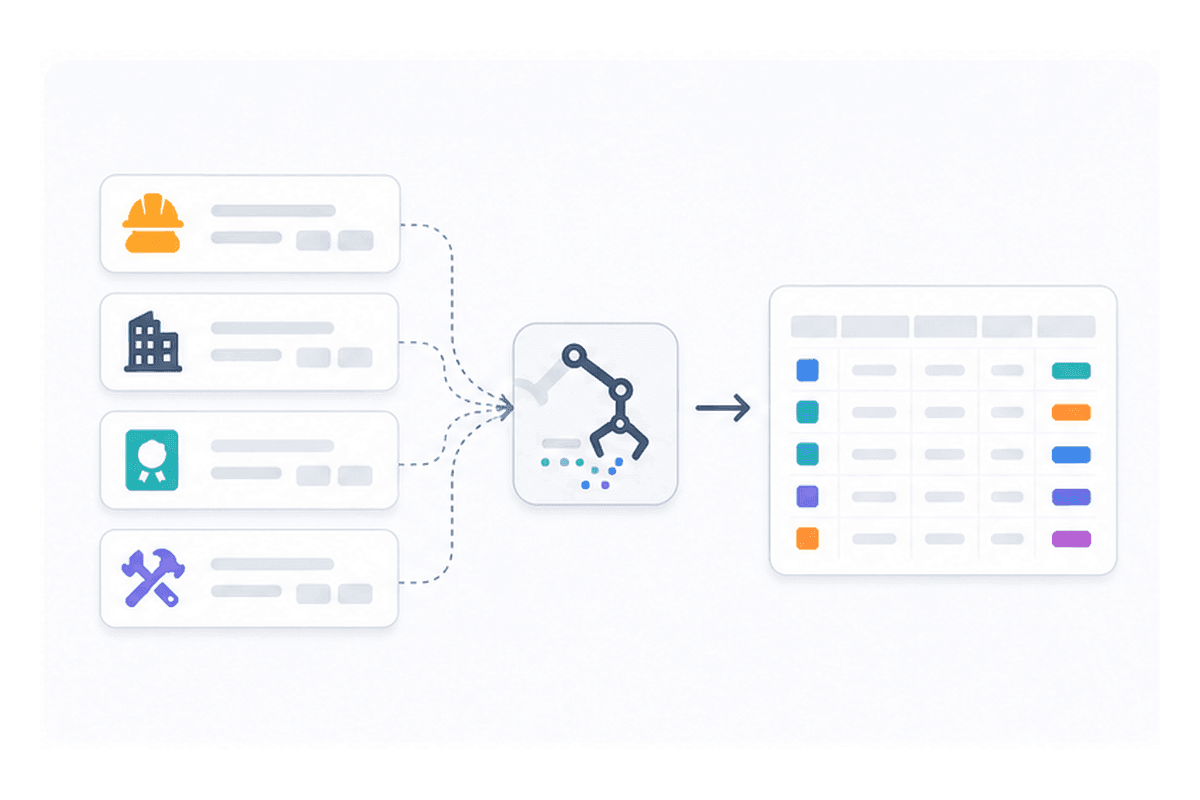
Compliance, procurement, and growth teams often assemble California contractor license data from repeated lookups, exports, and spreadsheets that fall behind when status, classifications, or addresses change.
Manual checks and fragile scripts make it hard to keep source URLs, collection timestamps, and missing-value handling consistent across large license sets.
A managed workflow defines the approved public record set first, then maps license identity, status, classifications, business context, and collection metadata into a maintainable schema without inventing fields that are not publicly available.
What Nenodata provides: California CSLB license status and classification
Nenodata scopes CSLB contractor data extraction around the publicly available license pages, search inputs, and fields you need for verification, monitoring, sourcing, or analysis.
Engagements may include license numbers, business names, status labels, classifications, issue and expiration dates, addresses where publicly shown, and collection metadata when those elements are available and included in the agreed schema.
This page does not claim a tested production CSLB scraper already online, a real-time lookup endpoint, a proprietary CSLB dataset, or official CSLB partnership. Broader extraction programs may extend through enterprise web scraping services.
California CSLB vs Texas TDLR and SOS
Use this page for California CSLB license status and classification. Use Texas TDLR for that state registry, or SOS scraper for multi-state business filings — not contractor licenses.
| Source | Best for | Learn more |
|---|---|---|
| California CSLB | CSLB license number, status, classification, city | This service |
| Texas TDLR | TDLR license number, status, and classification | Texas contractor scraper |
| SOS scraper | Multi-state secretary-of-state business records | SOS scraper |
Illustrative Sample Output
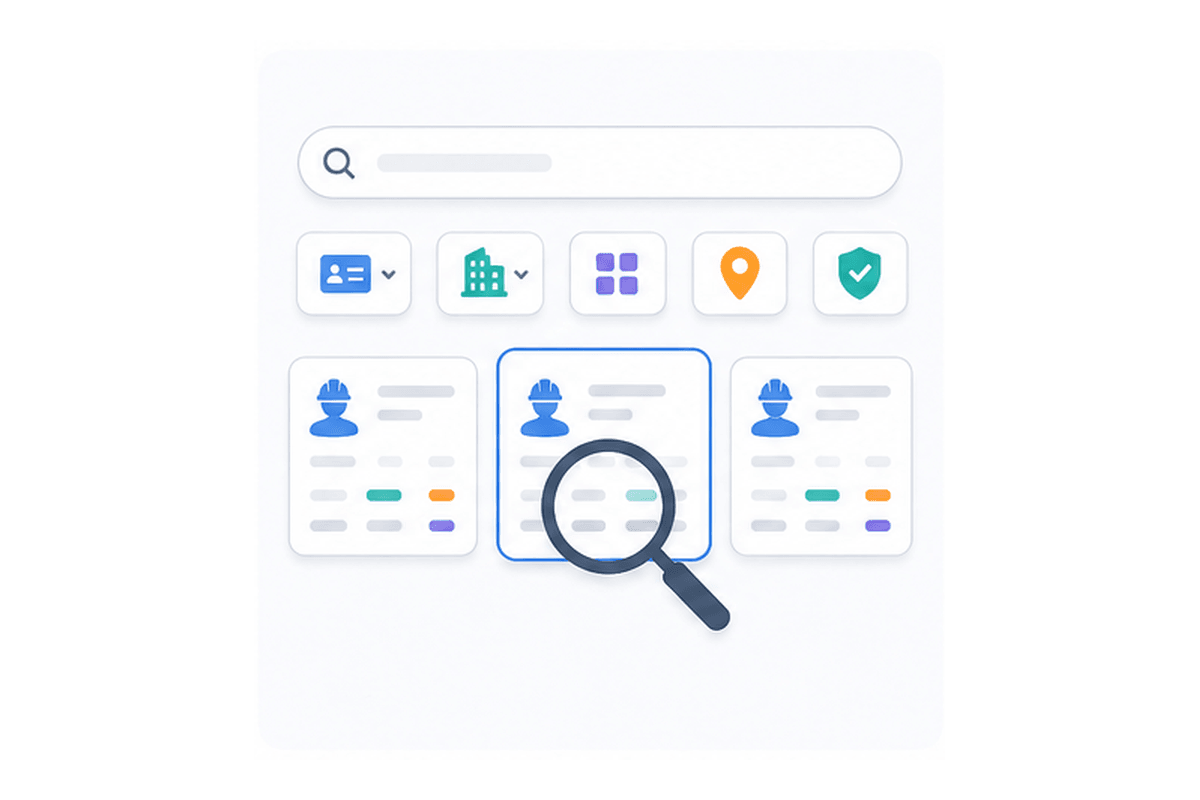
Review an illustrative schema for license identity, status, classification, source URL, and collection metadata. Missing optional values remain null rather than invented. This sample is not an actual Nenodata deliverable.
Illustrative example
| license_number | business_name | license_status | primary_classification | city | expiration_date | source_url | collected_at |
|---|---|---|---|---|---|---|---|
| 1048123 | Pacific Ridge Builders Inc. | Active | B - General Building | Los Angeles | 2027-03-31 | https://www.cslb.ca.gov/OnlineServices/CheckLicenseII/LicenseDetail.aspx?LicNum=1048123 | 2026-08-17T14:00:00Z |
| 987654 | Bay Area Electric Co. | Active | C-10 - Electrical | San Jose | 2026-11-30 | https://www.cslb.ca.gov/OnlineServices/CheckLicenseII/LicenseDetail.aspx?LicNum=987654 | 2026-08-17T14:00:00Z |
| 765432 | Central Valley Plumbing Group LLC | Inactive | C-36 - Plumbing | Fresno | null | https://www.cslb.ca.gov/OnlineServices/CheckLicenseII/LicenseDetail.aspx?LicNum=765432 | 2026-08-17T14:00:00Z |
JSON structure
{
  "license_number": "1048123",
  "business_name": "Pacific Ridge Builders Inc.",
  "license_status": "Active",
  "primary_classification": "B - General Building",
  "city": "Los Angeles",
  "county": "Los Angeles",
  "issue_date": "2018-03-14",
  "expiration_date": "2027-03-31",
  "source_url": "https://www.cslb.ca.gov/OnlineServices/CheckLicenseII/LicenseDetail.aspx?LicNum=1048123",
  "collected_at": "2026-08-17T14:00:00Z",
  "email": null
}
Proposed Data Fields and Outputs
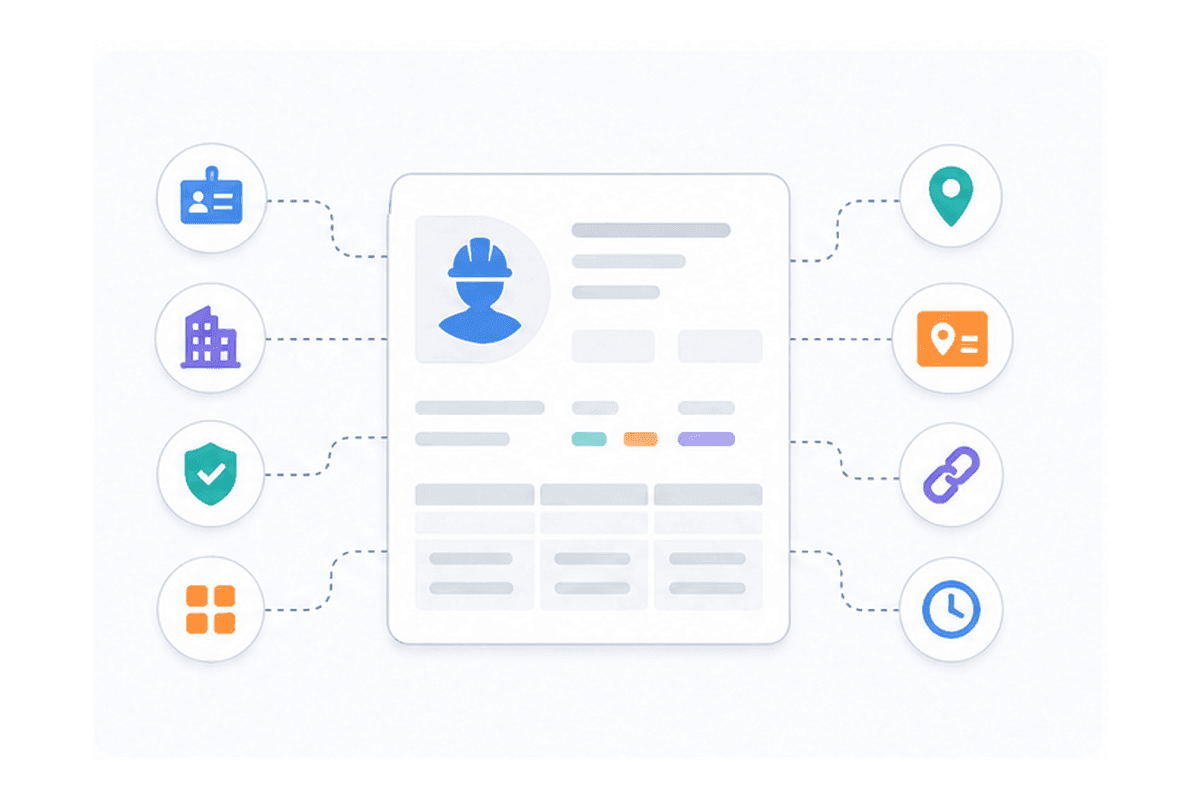
Potential fields depend on the approved public record set and agreed schema.
License identity
License number, business name, and related identity fields when publicly displayed and included in scope.
Status and dates
License status labels, issue dates, and expiration dates when available on approved public pages.
Classifications
Primary and additional classifications where publicly shown for the approved use case.
Location context
City, county, and related address context where publicly available. Email addresses are outside the proposed core schema.
Personnel and bond signals
Personnel, bond, or related public signals only where supported by the approved source pages and schema.
Traceability metadata
Source URLs, collection timestamps, and field-status notes when scoped for monitoring or audit workflows.
Delivery formats
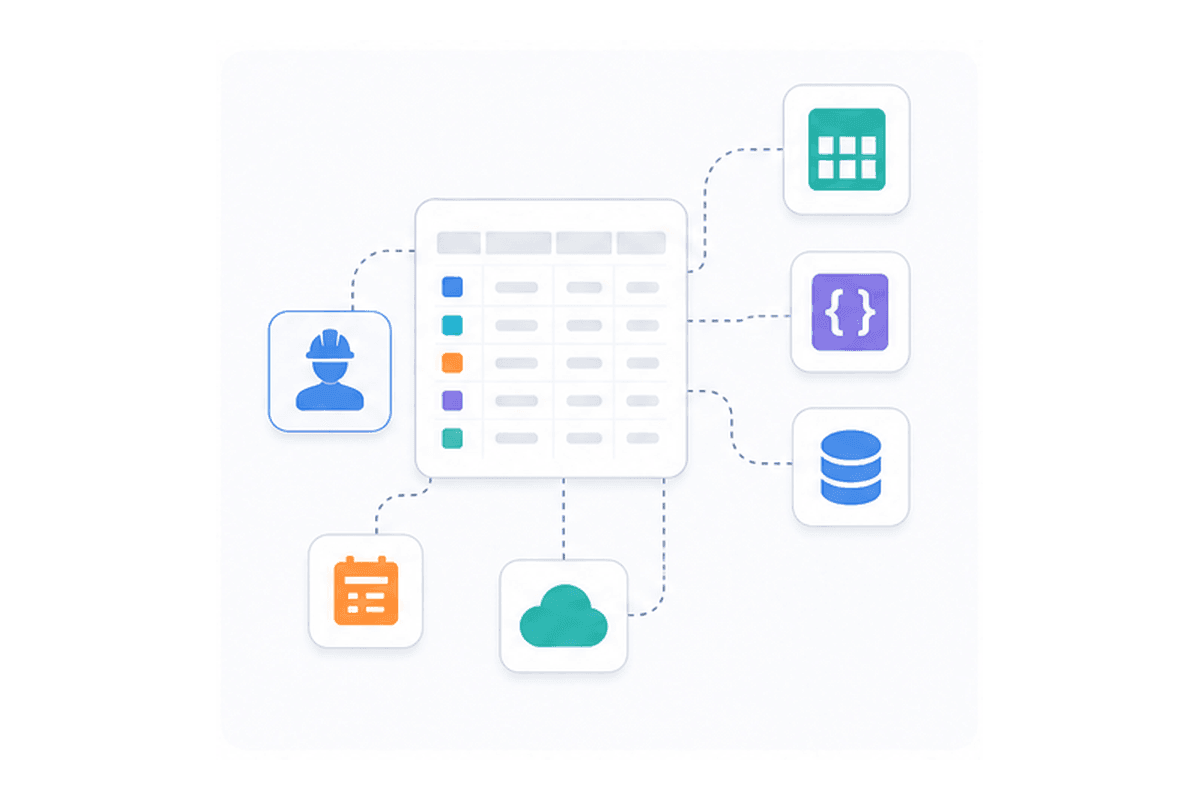
CSV, Excel, JSON, API-oriented structures, database loads, and warehouse delivery where supported for the engagement.
Search Inputs and Scope Options
Engagements may use one or more public search or filter patterns based on source behavior and agreed coverage.
License-number lookup
Collect records for specific license numbers provided by your team.
Business-name search
Scope collection around named contractors or business-name patterns where public search supports it.
Classification filters
Limit collection to classifications such as general building, electrical, plumbing, or other public categories.
Geography filters
Focus on city, county, or related location filters when publicly available and agreed during scoping.
Status filters
Include active, inactive, or other publicly displayed status values in the approved schema.
Business Use Cases
License verification workflows
Operations teams compare internal vendor lists against publicly displayed license status and classifications with source-linked records.
Licensed-contractor prospecting
Growth teams build CSLB contractor leads from approved public license sets. Broader prospecting programs may also use Nenodata lead generation and enrichment.
Vendor and supplier screening
Procurement teams review status and classification signals before continuing vendor onboarding research.
Classification and market mapping
Strategy teams map contractor classifications and geography for California market coverage planning.
Status-change monitoring
Risk and compliance teams track selected status or expiration changes when recurring delivery is included in scope.
Internal enrichment warehouses
Data teams warehouse normalized license observations for internal review. A California contractor data API packaging option may be discussed where supported.
Who This Service Is For
This service is for compliance teams, procurement groups, construction marketplaces, insurance and risk teams, growth operators, and internal data teams that need structured observations from publicly available California CSLB contractor records.
It fits organizations that want managed sample-led scoping rather than fragile one-off license lookups.
Related data extraction services remain available for broader programs. This page does not claim official CSLB partnership, unrestricted coverage, or legal-compliance guarantees.
How It Works
The broader managed pattern is described in how Nenodata works.
- Step 1
Share requirements
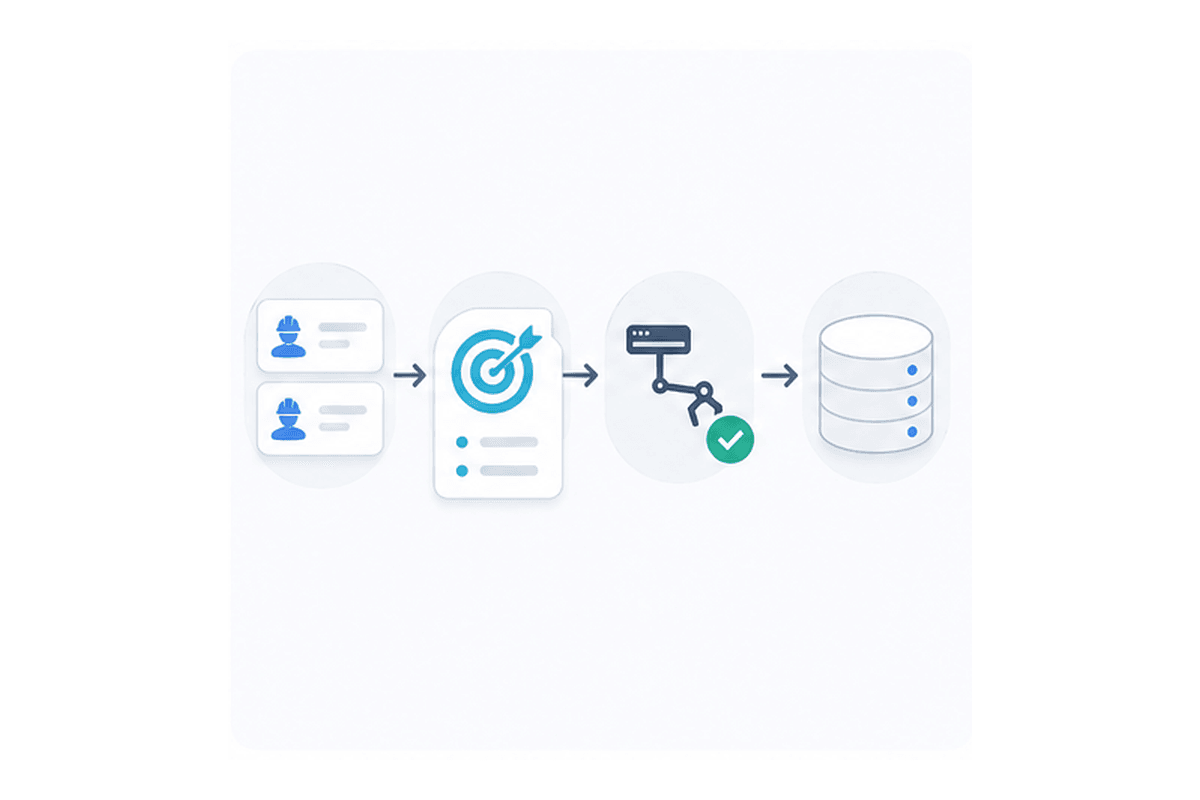
Share license numbers or search criteria, required fields, geography, classifications, volume, format, refresh needs, and destination systems.
- Step 2
Scope source pages and prepare a sample
Nenodata maps the approved public pages, field availability, and delivery destination before broader collection begins.
- Step 3
Normalize and validate
Records are cleaned and validated so available, conditional, unavailable, and missing values stay distinct.
- Step 4
Deliver and maintain
Structured outputs are delivered through the agreed method, with maintenance included when contracted.
Why Choose Nenodata
Turn free public records into usable structure
Public CSLB pages still need a repeatable schema, missing-value handling, and source context for operational workflows.
Separate bulk snapshots from current lookups
Bulk monitoring and one-record verification are scoped as different freshness models rather than treated as one real-time promise.
Design output around your destination
Field names, null handling, and packaging are planned around verification, enrichment, warehouse, or application workflows.
Review a sample before wider rollout
Teams review a representative sample that shows field availability before production collection expands.
Keep responsible public-data boundaries
Work stays limited to approved public sources and intended uses. Private or restricted data remain out of scope.
Delivery and Integration Options
Delivery formats may include CSV, Excel, JSON, API-oriented structures, database delivery, and warehouse loads where supported for the engagement. A CSLB license verification API endpoint is not claimed as an existing product.
Downstream packaging may use custom data pipelines. Review Nenodata view pricing for engagement models.
Related: Texas state licensed contractor scraper, business directory data extraction, and enterprise web scraping.
- CSV
- Excel
- JSON
- API-oriented structures
- Database delivery
- Warehouse delivery
- Scheduled file delivery
Source, Freshness, and Responsible Use
Bulk snapshots support monitoring and analysis across an agreed license set. Current individual-license lookups support point-in-time verification. These models are planned separately and stamped with collection timestamps.
Records remain source-displayed observations rather than independently certified legal facts. Intended use, retention, and sharing rules are agreed during scoping.
Frequently Asked Questions
Nenodata is not affiliated with the Contractors State License Board. This service describes a managed workflow for agreed publicly available California contractor-license records only.
Request a Representative Data Sample
Share your defined use case, target geography, classifications, required fields, expected volume, preferred format, refresh needs, and destination system so Nenodata can scope the next step.
Include business contact details when you contact Nenodata.