SOS Scraper for Structured Secretary of State Business Data
Nenodata scopes a managed SOS Scraper workflow that turns agreed public or permissioned Secretary of State business-registry sources into normalized entity records for onboarding, monitoring, and downstream data systems—without implying government affiliation or nationwide coverage.
- Scoped public or permissioned sources
- Normalized entity records with traceability
- Sample-first jurisdiction review
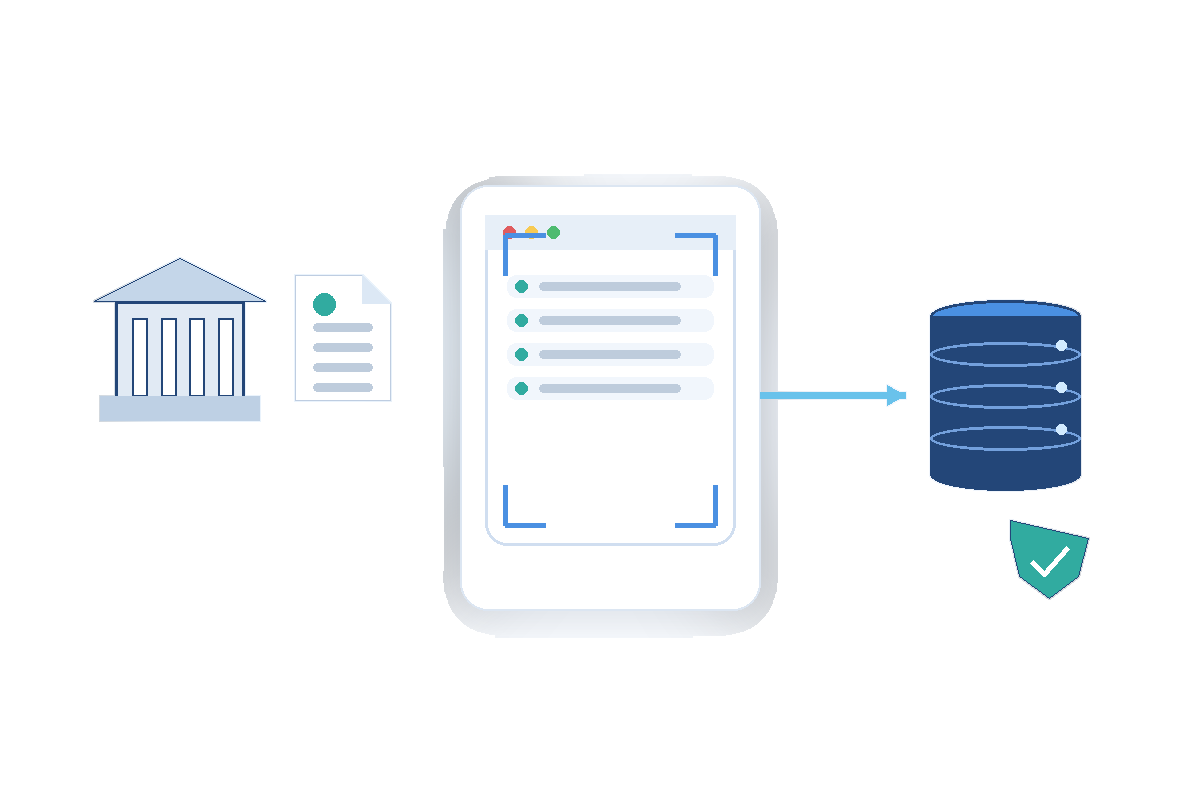
Business Registry Data Is Fragmented by State
Compliance, onboarding, and data teams often assemble business-entity context from separate Secretary of State portals, manual searches, and one-off exports that use different identifiers, status labels, filing formats, and field availability by jurisdiction.
Raw registry pages still need normalization before they can support recurring monitoring, vendor review, or product enrichment. Missing registered-agent fields, ambiguous entity matches, and inconsistent address values create downstream rework when teams treat incomplete rows as complete coverage.
Internal collectors add maintenance overhead when source layouts, search methods, access controls, or fee requirements change. Teams need a managed workflow that keeps source URLs, collection timestamps, and field-availability notes visible rather than hiding gaps behind silent defaults.
What the SOS Scraper Service Provides
Nenodata scopes managed registry-data collection around approved public or permissioned U.S. Secretary of State sources, required fields, entity-type filters, search inputs, validation rules, refresh cadence, and delivery destinations before production work begins.
Depending on approved scope, outputs may include entity identity, registration and filing details, status labels, address and registered-agent fields where publicly shown, people or management records where available and permitted, source references, collection timestamps, and validation metadata when those elements are included in the agreed schema.
Nenodata is an independent provider and does not claim government affiliation, official Secretary of State partnership, or unrestricted nationwide access. Broader managed programs may extend through Nenodata managed web scraping services when multi-source public-data collection is in scope. Source sets, fields, cadence, and destinations are agreed during scoping.
Representative Output
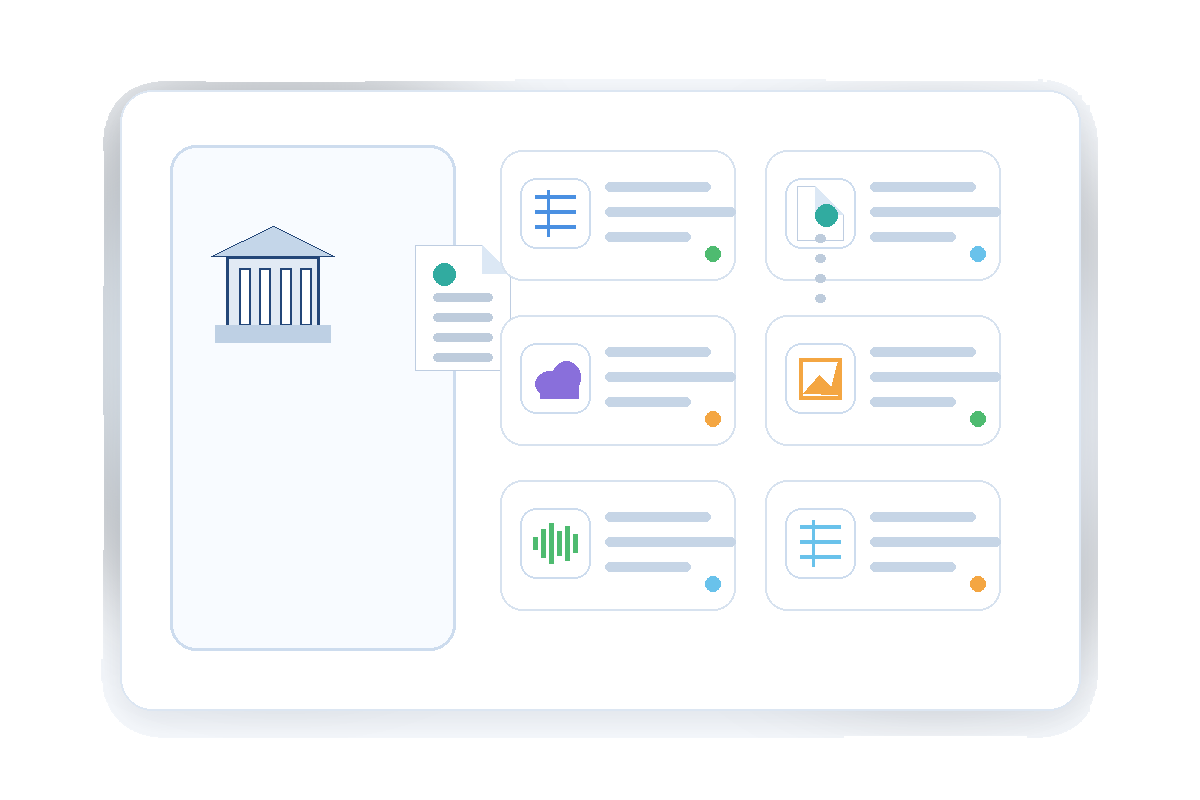
Review a Secretary of State entity record with source values, normalized fields, timestamps, and availability notes.
Illustrative example
{
  "source_jurisdiction": "Illustrative jurisdiction label",
  "source_url": "https://approved-source.example/registry/entity/EXAMPLE-001",
  "legal_entity_name": "Illustrative Example Entity LLC",
  "entity_identifier": "EXAMPLE-123456",
  "entity_type": "Limited Liability Company",
  "source_status": "Active",
  "normalized_status": "active",
  "formation_date": "YYYY-MM-DD",
  "principal_address": "Illustrative address line",
  "registered_agent_name": null,
  "filing_date": "YYYY-MM-DD",
  "collected_at": "YYYY-MM-DDTHH:mm:ssZ",
  "validation_status": "pass_with_exceptions",
  "field_availability_note": "Conditional fields depend on approved scope"
}
Potential Data Fields and Outputs
Potential field groups depend on approved sources, agreed schema, and technical feasibility. Groups below are not guarantees of coverage.
Entity identity
- Legal entity name where displayed
- Entity identifier or filing number where shown
- Entity type normalization where available
- Source jurisdiction label
Registration and filing details
- Formation or registration dates where publicly shown
- Filing dates and filing types where displayed
- Document references where included in approved scope
Status information
- Source status label on observed record
- Normalized status where agreed during scoping
- Status-change observations when monitoring is in scope
Addresses and agents
- Principal or business address components where public
- Registered agent name and address where displayed
- Mailing address fields where shown on agreed pages
People and management records
- Officer, manager, or director labels where publicly shown
- People-related fields only when permitted for intended use
- Explicit unavailable-field notes when values cannot be confirmed
Source and collection metadata
- Source URL and retrieval method references
- Collection timestamps
- Validation status and exception labels
Delivery outputs
- CSV, Excel, and JSON files for review and downstream processing
- API-oriented structures where integration packaging is in scope
- Webhooks, databases, CRM workflows, warehouses, and scheduled feeds when agreed
State Coverage Is Confirmed Before Production
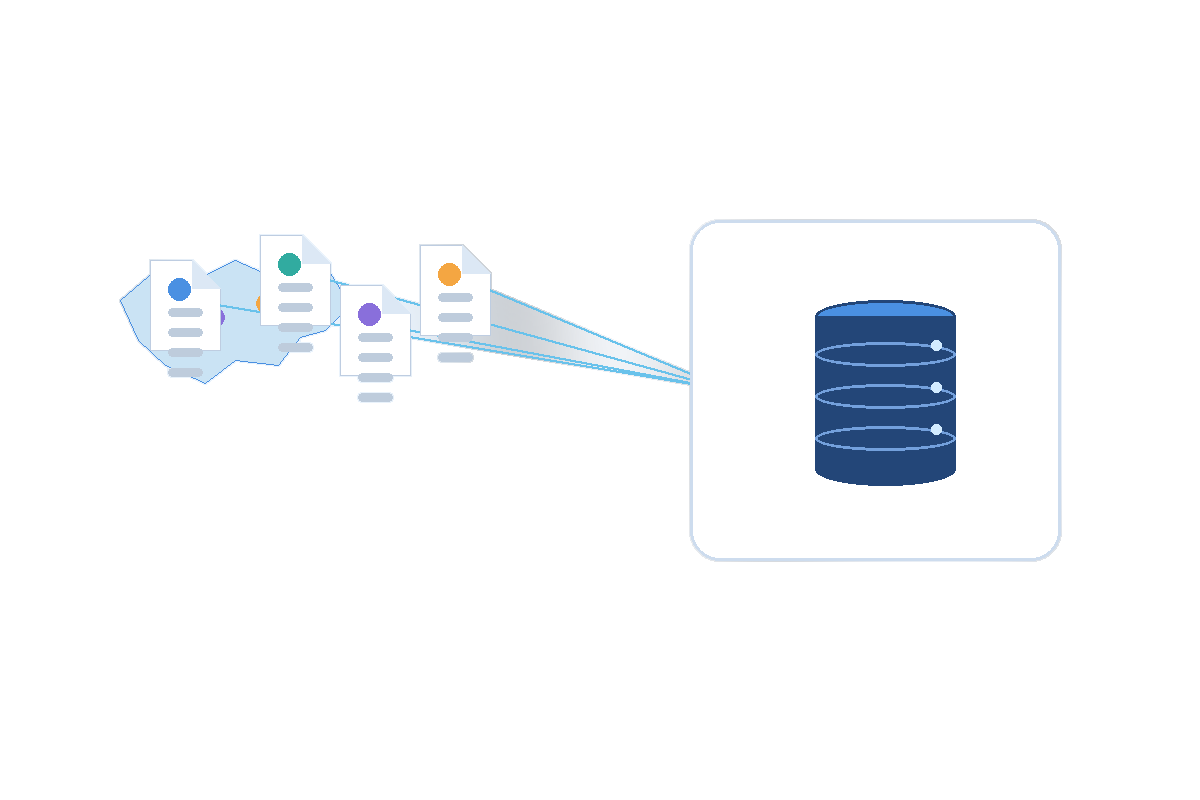
Jurisdiction support, entity types, search inputs, field availability, retrieval methods, refresh models, and access restrictions are confirmed during feasibility review—not assumed for every state or territory.
The matrix below is illustrative. It explains how source-level scoping works without naming supported states or implying nationwide coverage.
| Dimension | Illustrative scope | Status | Notes |
|---|---|---|---|
| Entity type | LLC, corporation, or other agreed types | Subject to review | Confirmed during sample scoping |
| Search input | Name, identifier, or filing number where supported | Subject to review | Varies by approved source |
| Fields | Agreed identity, status, address, and agent fields | Conditional | Not guaranteed for every jurisdiction |
| Retrieval method | Public page, permissioned access, or approved API path | Subject to review | Fees and accounts handled per source terms |
| Refresh model | One-time or recurring schedule where feasible | Conditional | Cadence agreed during scoping |
| Restrictions | Source terms, intended use, and redistribution limits | Reviewed | Customer responsibility for permitted use |
Use Cases
Business onboarding
Support onboarding workflows with structured entity records from scoped registry sources while preserving source references and limitation language.
Underwriting support
Supplement internal underwriting libraries with normalized entity context—not credit assessment, tax-ID matching, or complete KYB conclusions.
Vendor and supplier review
Review scoped entity status and registration fields for vendor diligence when approved fields and intended use are confirmed during scoping.
Business-directory and entity-search products
Feed agreed structured records into directory or search products when field availability and permitted use are confirmed during sample review.
Status-change monitoring
Monitor scoped entity status observations over time when recurring collection and change-detection rules are included in approved scope.
Market formation and business research
Support internal research on entity formation signals where jurisdiction scope and field availability are confirmed—not guaranteed complete market coverage.
Approved new-business workflows
Enable prospecting or new-business programs only when intended use, people-related fields, and source restrictions are separately approved.
Who This Service Is For
This service is for compliance teams, onboarding operations, data vendors, PropTech and business-intelligence products, underwriting support groups, and enterprise data teams that need structured Secretary of State entity observations with sample-first scoping.
Buyers should define jurisdictions, required fields, volume, cadence, destination, and intended use before production work begins. It is not positioned for buyers seeking guaranteed nationwide coverage, government partnership status, or complete KYB verification from registry data alone.
Broader extraction programs may also review Nenodata data extraction services when multi-jurisdiction public-data workflows are in scope.
How the Engagement Works
The delivery pattern aligns with how Nenodata works across managed public-data engagements, including a representative-sample checkpoint before production finalization.
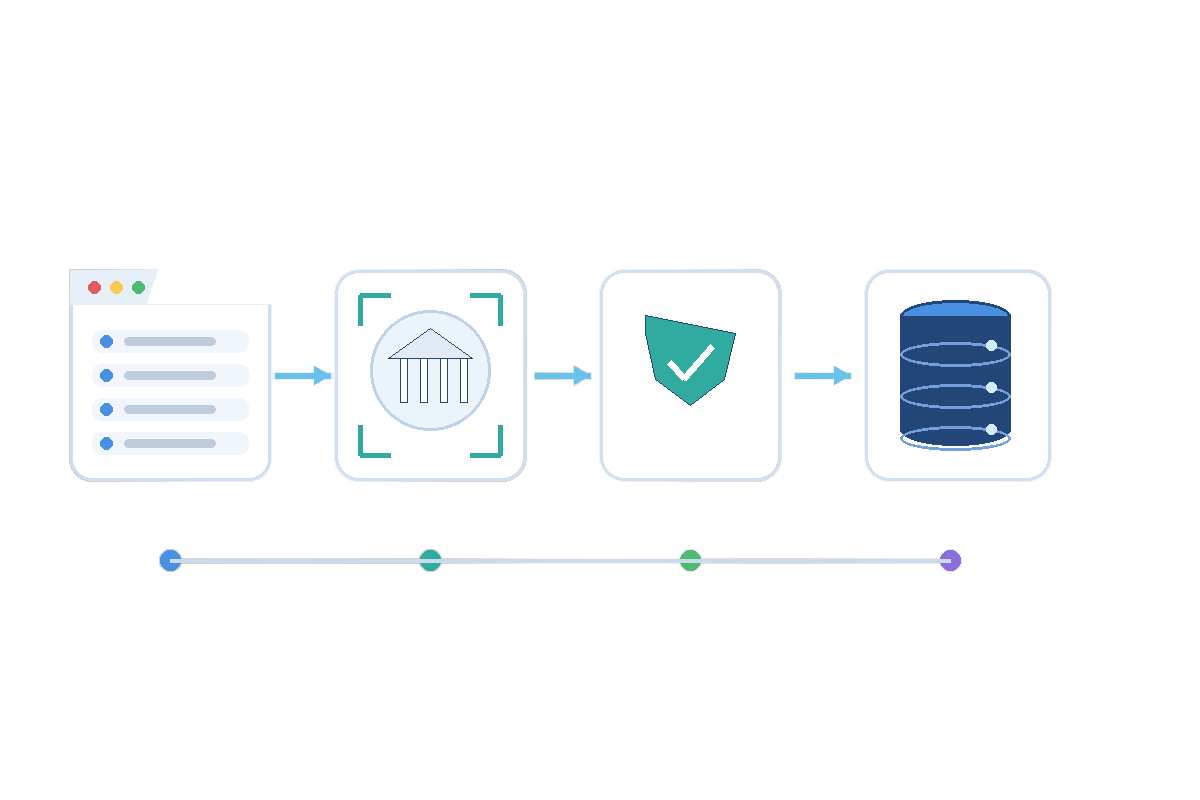
- Step 1
Define requirements
Share jurisdictions, entity types, search inputs, required fields, intended use, refresh need, and delivery destination.
- Step 2
Review sources and collect
Nenodata reviews source access, permitted use, and field availability, then prepares a representative sample from approved targets where feasible.
- Step 3
Normalize and validate
Records are normalized and validated so ambiguous matches, missing values, and collection timestamps remain visible rather than silently overwritten.
- Step 4
Deliver and maintain
Structured outputs are delivered once or on a recurring schedule through formats and destinations agreed during scoping, with maintenance where included in approved scope.
Why Choose Nenodata
Feasibility before commitment
Jurisdictions, search inputs, fields, and refresh models are reviewed before production scale—not assumed for every Secretary of State source.
Sample-first scoping
Representative records, field availability, and volume are reviewed through a sample before broader collection begins.
Requirements-led schemas
Field names, normalization rules, and destination mapping are planned around your existing systems during scoping.
Transparent unavailable fields
Field-availability notes, validation status, and ambiguity labels stay with each record when values cannot be confirmed on observed pages.
Delivery into existing workflows
Outputs can be scoped for files, API-oriented structures, webhooks, databases, CRM workflows, and warehouses when destination requirements are agreed.
Responsible source review
Work stays limited to approved public or permissioned sources and intended uses reviewed during scoping. Private, protected, and restricted records remain out of scope.
Delivery and Integration
Delivery formats and destinations are agreed during scoping. Options remain conditional on technical feasibility and are not guaranteed before representative testing.
Recurring transformation may extend through Nenodata custom data pipelines when downstream automation is in scope. Integration-ready payloads may extend through the Nenodata Web Scraping API capability where appropriate—this is not a prebuilt nationwide Secretary of State API product unless separately verified.
Related services: Sunbiz Florida business scraper, NY business registry scraper, NY business entity scraper, lead generation & enrichment, and financial data extraction.
Frequently Asked Questions
Request a Representative Sample
Share representative jurisdictions, entity types, search inputs, required fields, intended use, one-time or recurring need, and preferred output destination so Nenodata can scope the next step.
Include jurisdiction examples, required fields, filters, cadence, destination, and intended use when you contact Nenodata through the contact flow.