Sunbiz Florida Business Scraper for Structured Registry Data
Nenodata's Sunbiz Florida Business Scraper turns agreed public Florida business-registry records into cleaned, structured datasets delivered to your required format and destination.
- Requirements-led record collection
- Cleaned and validated outputs
- One-time or recurring delivery
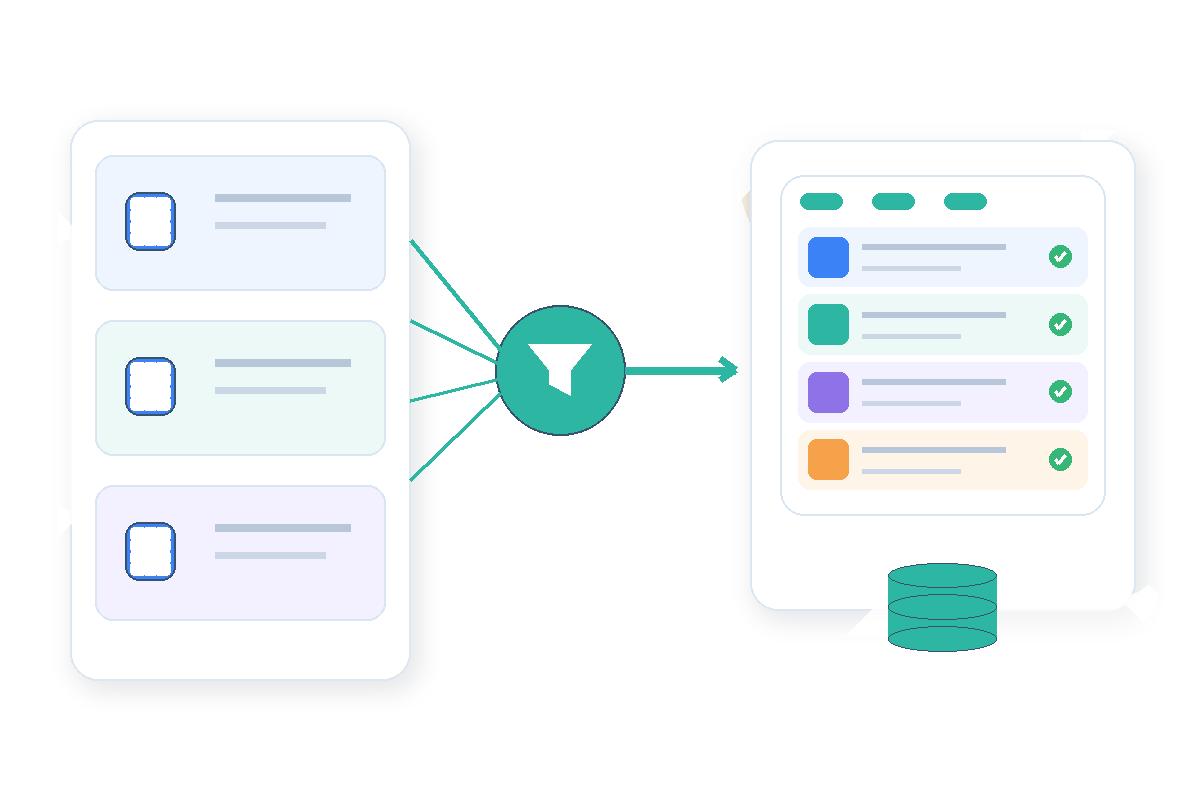
Replace Repetitive Registry Research With Structured Data
Compliance, finance, and research teams often assemble Florida entity records through repeated registry lookups, manual exports, and spreadsheets that fall behind when status, registered-agent details, or filing markers change.
One-off scripts break when search layouts shift, when pagination changes, or when teams need consistent source URLs, collection timestamps, and missing-value handling across large entity sets.
Operational workflows need stable field definitions, validation visibility, and delivery formats that move directly into onboarding, monitoring, and analysis systems rather than ad hoc cleanup after every source change.
What the Sunbiz Florida Business Scraper Provides
Nenodata scopes managed extraction around agreed public Florida business-registry sources, required entity fields, filters, validation rules, refresh cadence, and delivery destinations for onboarding, portfolio tracking, enrichment, and monitoring workflows.
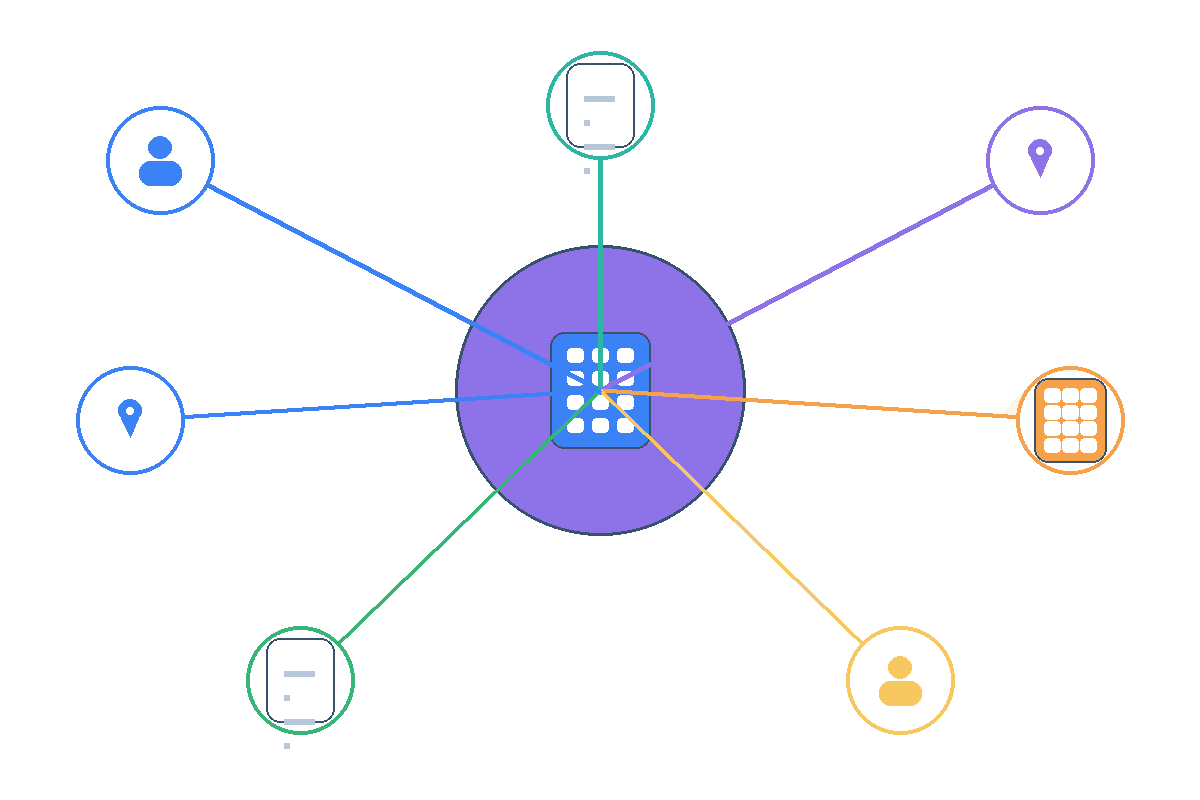
Engagements may include entity names and document numbers where publicly shown, status and filing-type labels, registered-agent context where displayed, officer or authorized-person labels where permitted for the approved use case, filing dates when visible, source references, collection timestamps, and validation metadata when included in the agreed schema.
Collection is limited to approved public sources. Login-protected, private, suppressed, restricted, or inappropriate sensitive fields remain out of scope. Broader programs may extend through Nenodata fully managed web scraping services. Source sets, fields, filters, cadence, and destinations are confirmed during feasibility review.
Sunbiz vs NY registry and multi-state SOS
Use this page for Florida Sunbiz entity status and document numbers. Use NY registry for New York filings, or SOS scraper for multi-state secretary-of-state programmes.
| Source | Best for | Learn more |
|---|---|---|
| Sunbiz Florida | FL document number, status, filed date, search.sunbiz.org | This service |
| NY business registry | New York filing status and registration history | NY registry scraper |
| SOS scraper | Multi-state secretary-of-state business records | SOS scraper |
Representative Sample Output
Review an illustrative Florida entity record with source provenance, normalized fields, explicit null handling, and validation status before broader production begins.
Illustrative example — final fields and structures are confirmed during scoping.
This sample is illustrative only. It is not a live customer record, production API response, approved schema for every entity type, or guarantee of field availability.
{
  "entity_name": "Northwind Retail LLC",
  "document_number": "L21000123456",
  "entity_status": "Active",
  "entity_type": "Florida Limited Liability Company",
  "date_filed": "2021-03-12",
  "registered_agent_name": "none",
  "principal_address": "Miami, FL",
  "officer_name": null,
  "source_url": "https://search.sunbiz.org/Inquiry/CorporationSearch/SearchResultDetail",
  "source_reference": "search.sunbiz.org",
  "collected_at": "2026-08-13T14:00:00Z",
  "validation_status": "pass_with_exceptions",
  "exception_reason": "Officer field not publicly displayed on observed page"
}
Data Fields and Output Options
Illustrative field groups — final availability depends on source feasibility and project scope.
Possible field groups depend on approved entity types, filing categories, and technical feasibility confirmed during scoping.
Entity identity
Entity names, document or file numbers, entity types, and related public identity labels where displayed on approved registry pages.
Registration and status
Status labels, filing types, effective dates, and related public registration markers where shown and included in scope.
Registered agent and addresses
Registered-agent names and address context where publicly displayed and approved for the intended use case.
Officers, directors, and authorized persons
Public officer, director, manager, member, or authorized-person labels where displayed and permitted for collection, processing, and delivery.
Filing history and documents
Filing-event labels, annual-report markers, and document references where publicly accessible and approved during scoping.
Source traceability and delivery outputs
Source URLs, collection timestamps, validation metadata, and confirmed delivery formats such as CSV, Excel, JSON, API-ready records, webhooks, databases, CRM, or warehouse paths.
Use Cases
Vendor and supplier onboarding research
Support KYB-style review workflows with structured public entity fields, source references, and validation metadata—without treating registry observations as legal verification.
Corporate hierarchy and subsidiary mapping
Assemble entity identity and status fields for portfolio or subsidiary research where publicly displayed and approved for the engagement scope.
Registered-agent change monitoring
Track registered-agent and address signals on agreed schedules when those fields are publicly visible and recurring delivery is contracted.
New-entity filing discovery
Identify newly filed entities within agreed filters and geographies subject to source feasibility—not as a guarantee of complete or real-time coverage.
Market and sector mapping
Combine entity type, status, and filing context for sector views where those fields are publicly shown and included in the scoped schema.
Portfolio company tracking
Refresh agreed public entity fields for monitored company lists on a scoped cadence with exception visibility when values are missing or ambiguous.
Compliance roster enrichment
Supplement internal entity rosters with source-linked public registry fields where approved for enrichment—not for unrestricted contact outreach.
Internal master-data enrichment
Append registry context to internal records through Nenodata custom data pipelines when matching rules, identifiers, and destination requirements are confirmed during scoping.
Who This Service Is For
This service fits compliance, finance, procurement, data engineering, PropTech, and research teams that need structured public Florida business-registry observations with sample-first scoping and traceability metadata.
It supports organizations that prefer managed collection, normalization, and delivery over maintaining brittle internal scripts across registry layouts and field changes.
Contact enrichment for outbound outreach remains a separate scope through Nenodata lead generation and enrichment services and must not be combined with public-registry roster workflows on this page.
How It Works
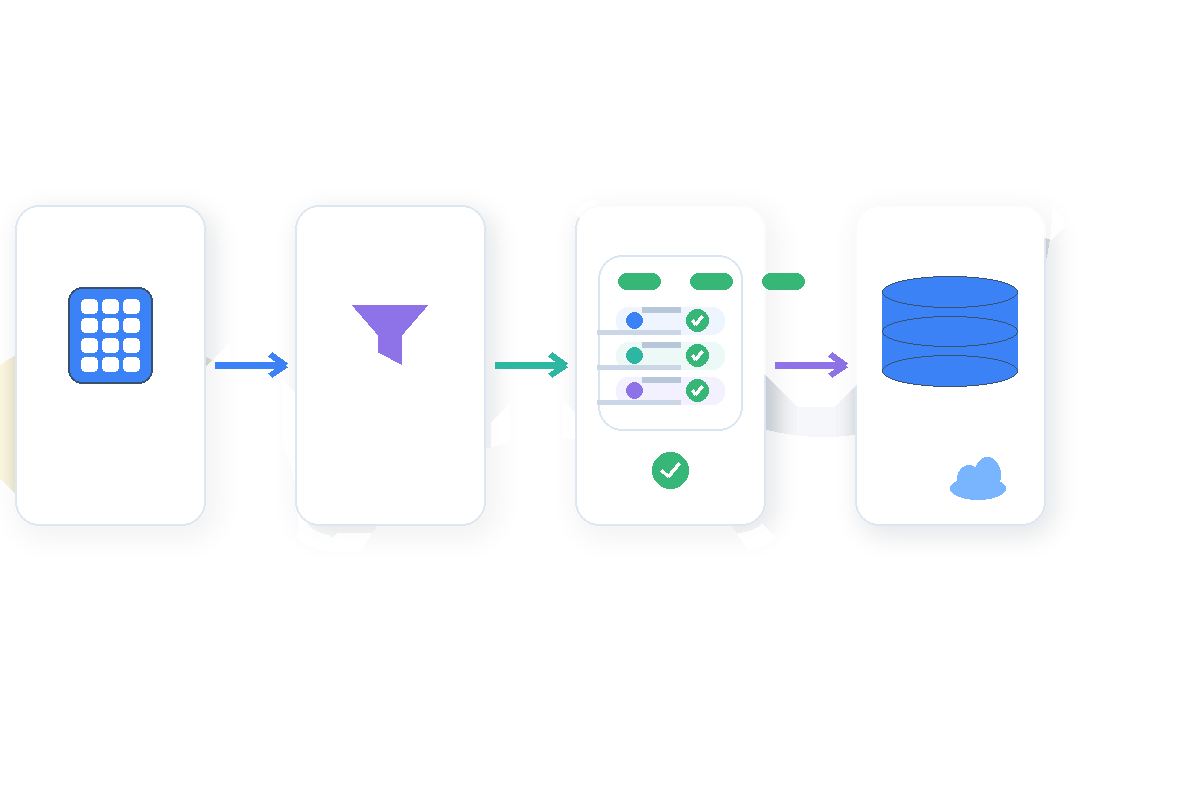
Nenodata follows a feasibility-first workflow aligned with how Nenodata works across managed extraction engagements. Automatic acceptance and uninterrupted refreshes are not promised on this page.
Define the requirements
Share representative entity examples, required fields, filters, geography, intended use, refresh need, and delivery destination so Nenodata can assess feasibility.
Review and configure collection
Nenodata validates approved sources and field availability through a representative sample before broader rollout.
Clean, normalize, and validate
Records are standardized against agreed rules so missing values, conflicts, and collection timestamps remain visible rather than silently overwritten.
Deliver the dataset
Structured outputs are delivered once or on a recurring schedule through formats and destinations confirmed during scoping and sample review.
Why Choose Nenodata
Feasibility is reviewed before commitment
Requested sources, entity types, fields, volume, and schedule are assessed before production scale rather than assumed from a generic export.
A representative sample comes first
Teams inspect field availability and source differences through a representative sample before broader collection commitments.
The schema is designed around your workflow
Field names, validation rules, and destination mapping are planned around your systems rather than forcing downstream reshaping.
Exceptions remain visible
Validation status, exception reasons, and null handling stay with each record when values are missing, ambiguous, or conflict across observations.
Nenodata owns the approved operational workflow
When included in scope, Nenodata maintains agreed handling for source and schema changes through fully managed web scraping services rather than shifting every update to internal engineering.
Responsible source use is part of scoping
Work stays limited to approved public-data uses with source terms, privacy obligations, and intended purpose reviewed during scoping.
Delivery and Integrations
Delivery methods are agreed during scoping. Options may include CSV, Excel, JSON, API-ready records, webhooks, database delivery, CRM delivery, and data-warehouse delivery when technically feasible.
Recurring transformation and downstream automation may extend through Nenodata custom data pipelines when destination requirements are confirmed. A ready-made public self-serve registry API is not claimed on this page.
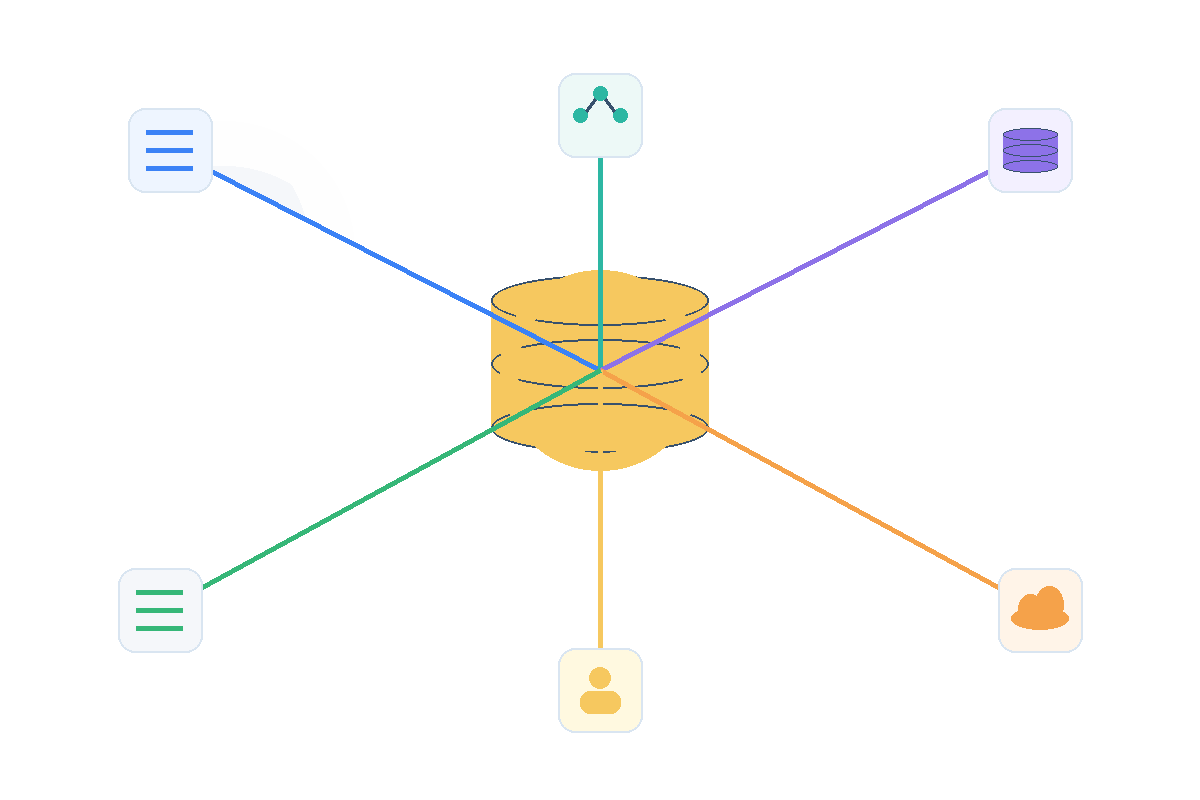
Related services: SOS scraper for Secretary of State data, NY business registry scraper, NY business entity scraper, lead generation & enrichment, and enterprise web scraping.
Public Source Scope and Responsible Use
Collection is limited to approved public registry information relevant to the agreed business purpose. Private, login-protected, suppressed, restricted, or protected records remain out of scope unless separately authorized and reviewed.
Access methods, entity types, filing categories, date ranges, historical depth, and refresh behavior depend on source feasibility and must be confirmed during scoping. This page does not promise complete coverage, every filing type, or real-time delivery.
Person-linked fields such as registered-agent details, officers, directors, managers, members, and authorized persons require purpose review and may be excluded when the intended use is not permitted.
Nenodata is an independent data-services provider. This page does not claim partnership, endorsement, authorization, or affiliation with the Florida Division of Corporations, Sunbiz, or any state agency.
Public registry records are not legal advice, KYB/KYC verification, or transaction-grade due diligence. Intended use boundaries are agreed during scoping and should be reviewed by qualified legal counsel where needed.
Frequently Asked Questions
Request a Representative Data Sample
Share representative entity names or URLs, record categories, required fields, filters, estimated volume, cadence, output format, and delivery destination. Nenodata will determine whether an approved sample can be prepared.
Include representative sources, required fields, filters, cadence, destination, and intended use. For packaging context, review data extraction pricing or request a sample through the contact flow.