Business Directory Data Extraction Services
Nenodata provides Business Directory Data Extraction Services that turn inconsistent public directory listings into structured business records for research, enrichment, and operational workflows.
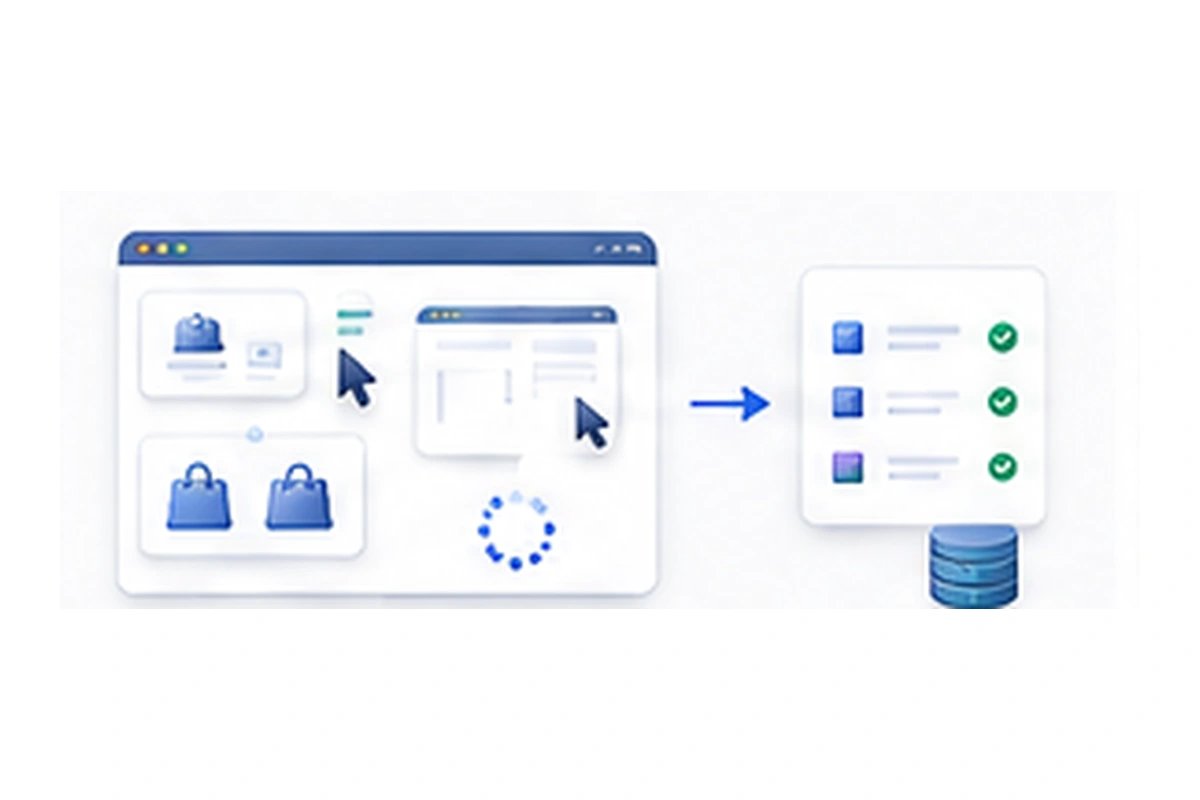
Turn Inconsistent Directory Listings Into Usable Records
Public directories often present the same business under different names, categories, addresses, and contact formats, which makes manual research slow and unreliable.
Search-result pages, category pages, and profile pages may expose different field depths, so teams that copy listings by hand end up with incomplete or duplicated records.
A managed extraction workflow reviews the approved sources and page types first, then maps available listing fields into a consistent schema your systems can use.
What’s Included in Business Directory Data Extraction Services
Each engagement begins with source and scope definition: approved public directories, page types, geographic or category filters, required fields, volume expectations, and delivery needs.
Nenodata reviews source feasibility before production collection. Field availability depends on what the approved pages display. Private, restricted, or login-protected information is excluded unless separately authorized and reviewed.
Workflows can include extraction, field mapping, normalization, duplicate handling, and structured delivery according to the agreed rules. Capabilities remain subject to source-specific feasibility and project scope.
Related: enterprise web scraping services and lead generation and enrichment, firmographic data extraction, and supplier and vendor data scraping.
Illustrative Sample Output
Illustrative example
This sample is illustrative and is not an approved Nenodata deliverable or customer result. Fields and coverage are not guaranteed. Final schema depends on project scope and source-displayed values.
{
  "business_name": "Example Local Services LLC",
  "category": "Home services",
  "phone": "+1-555-0100",
  "email": "info@example-local.example",
  "website": "https://example-local.example",
  "address": {
    "street": "123 Example Ave",
    "city": "Austin",
    "region": "TX",
    "postal_code": "78701",
    "country": "US"
  },
  "source_url": "https://example.com/directory/example-local-services",
  "collected_at": "YYYY-MM-DDTHH:mm:ssZ"
}
The example shows how a generic public directory profile can map into a structured business record. Exact fields are confirmed during sample review.
Data Fields and Output Options
The delivery method is confirmed during scoping based on the approved dataset and downstream requirements.
Business identity
- • Business name
- • Alternate or trading name where shown
- • Profile URL
Categories and classification
- • Primary category
- • Secondary categories where shown
- • Tags or labels where shown
Public contact fields
- • Phone
- • Email where shown
- • Website URL where shown
Location fields
- • Street address
- • City
- • Region or state
- • Postal code
- • Country
Listing and profile metadata
- • Source label
- • Source URL
- • Collection timestamp
Optional source-displayed signals
- • Hours where shown
- • Description text where shown
- • Rating or review count where shown
Use Cases
Lead list building from directories
Structure public listing identity and contact fields from agreed directory pages to support outbound research workflows.
Market and territory mapping
Collect location and category fields across approved markets so teams can compare coverage by city, region, or territory.
Category and industry coverage
Extract classified listings from agreed category or keyword scopes to support market-sizing and competitive research.
Local business research
Turn local directory profiles into consistent records for regional analysis, store-cluster review, or partner research.
CRM enrichment from public listings
Prepare directory-sourced fields for import into CRM enrichment workflows when the destination format is confirmed during scoping.
Multi-location and branch analysis
Capture branch or location records where directories display multiple addresses for the same brand or network.
Partner and supplier discovery
Assemble structured lists of publicly listed businesses that match approved category and geography filters.
Who This Service Is For
This service is for sales, marketing, research, operations, and data teams that need structured business listing records from agreed public directories.
It fits organizations that want source-specific scoping, sample validation, and managed extraction rather than brittle manual copy-paste workflows.
It is not a fit for private or restricted directory access, guaranteed coverage of every source, or teams seeking person-level contact harvesting beyond publicly displayed listing fields.
How It Works
Four-step directory extraction process from source definition and sample approval to normalization and delivery. See also how Nenodata works.
Connect
Define approved directories, page types, filters, required fields, volume expectations, and delivery needs.
Sample-approval checkpoint: confirm field availability and schema before full extraction begins.
Extract
After feasibility review and sample approval, extract available listing fields from the agreed public page types.
Transform
Map, normalize, and apply duplicate-handling rules according to the schema and quality rules confirmed for the project.
Deliver
Deliver structured records through the method confirmed during scoping, with maintenance continuing where included in support terms.
Why Choose Nenodata
Source-Specific Feasibility Before Commitment
Requested directories and page types are reviewed before production promises are made.
Sample-First Schema Validation
Teams can review a representative sample structure before committing to a larger extraction workflow.
Field Availability Is Confirmed, Not Assumed
Only source-displayed fields are treated as available. Missing values stay visible rather than invented.
Agreed Normalization and Duplicate Rules
Inconsistent names, categories, and repeated listings are handled according to rules defined during scoping.
Managed Workflow Maintenance
Extraction and delivery maintenance continue where included in the agreed support terms.
Clear Public-Source Boundaries
Engagements stay within approved public or permissioned boundaries. Private or restricted access is not assumed.
Integrations and Delivery
Delivery destinations and formats are confirmed during scoping based on the approved dataset and the systems that will consume the records.
Prepared import files are commonly discussed for spreadsheet and structured-file workflows. Direct API, CRM, database, or warehouse loading is included only when separately confirmed for the engagement.
Related: custom data pipelines, API access, supplier and vendor data scraping, pricing, or contact Nenodata.
Frequently Asked Questions
Request a Source-Specific Sample
Share the directories, page types, fields, and markets you need. Nenodata will review feasibility and recommend the next step for a sample or demo.
Include sample URLs, required fields, geography or category filters, and the destination system that will use the records.