Rappi Restaurants & Stores Scraper
Nenodata's Rappi Restaurants & Stores Scraper helps pricing, restaurant, CPG, and market intelligence teams structure approved public restaurant and store listings into normalized merchant, rating, delivery, and location records. For broader Rappi pricing, grocery, and menu pipelines, see Rappi Data Scraping Services.
- Scoped by target market and delivery area
- Sample-first field validation
- CSV, Excel, JSON, or pipeline delivery where confirmed
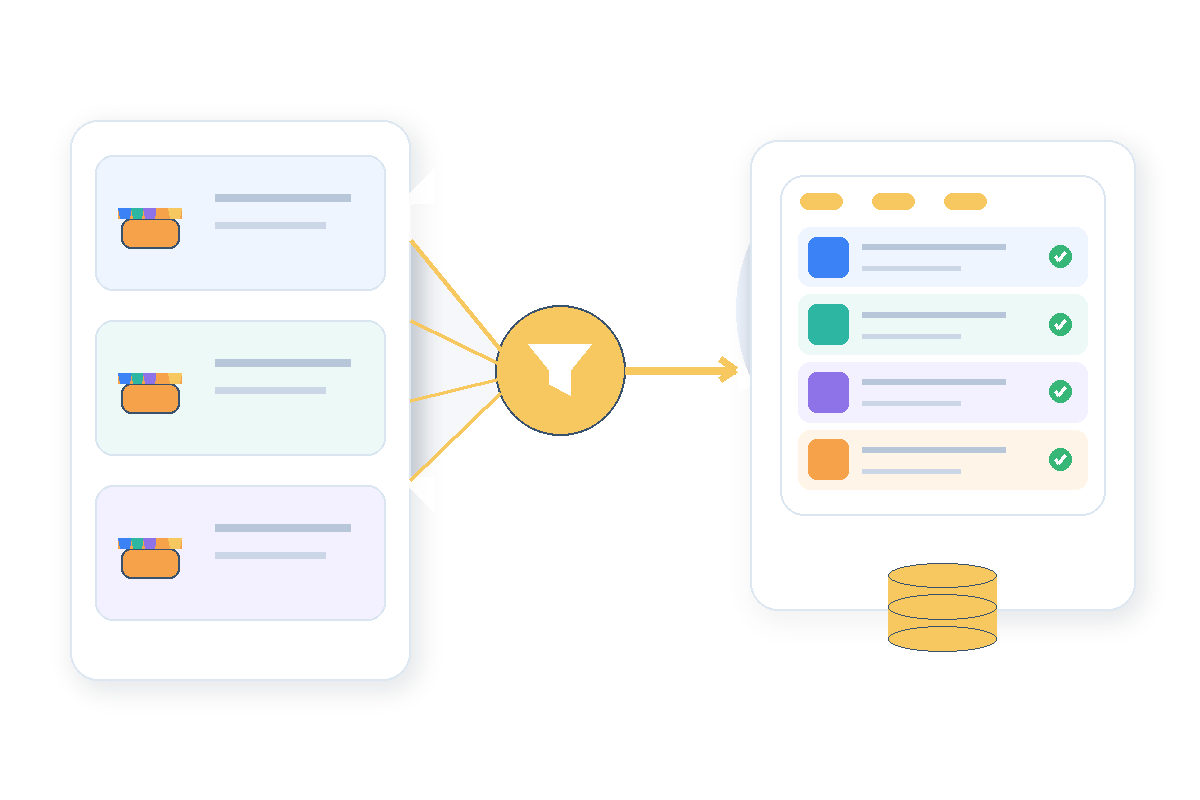
Rappi Listings Change by Location and Context
Restaurant names, menu items, store assortments, listed prices, promotion labels, ratings, and availability signals on delivery marketplace pages can differ by city, neighborhood, service area, and time window. A value copied manually may no longer represent the visible listing when teams review it later.
The same brand or item can appear with different prices, pack context, promotion text, or availability labels across delivery areas, making location-blind comparisons unreliable without structured collection metadata.
Pricing, restaurant analytics, and FMCG teams need repeatable schema logic, approved source boundaries subject to feasibility review, and collection timestamps retained with each record—not fragile scripts or one-off exports that miss provenance.
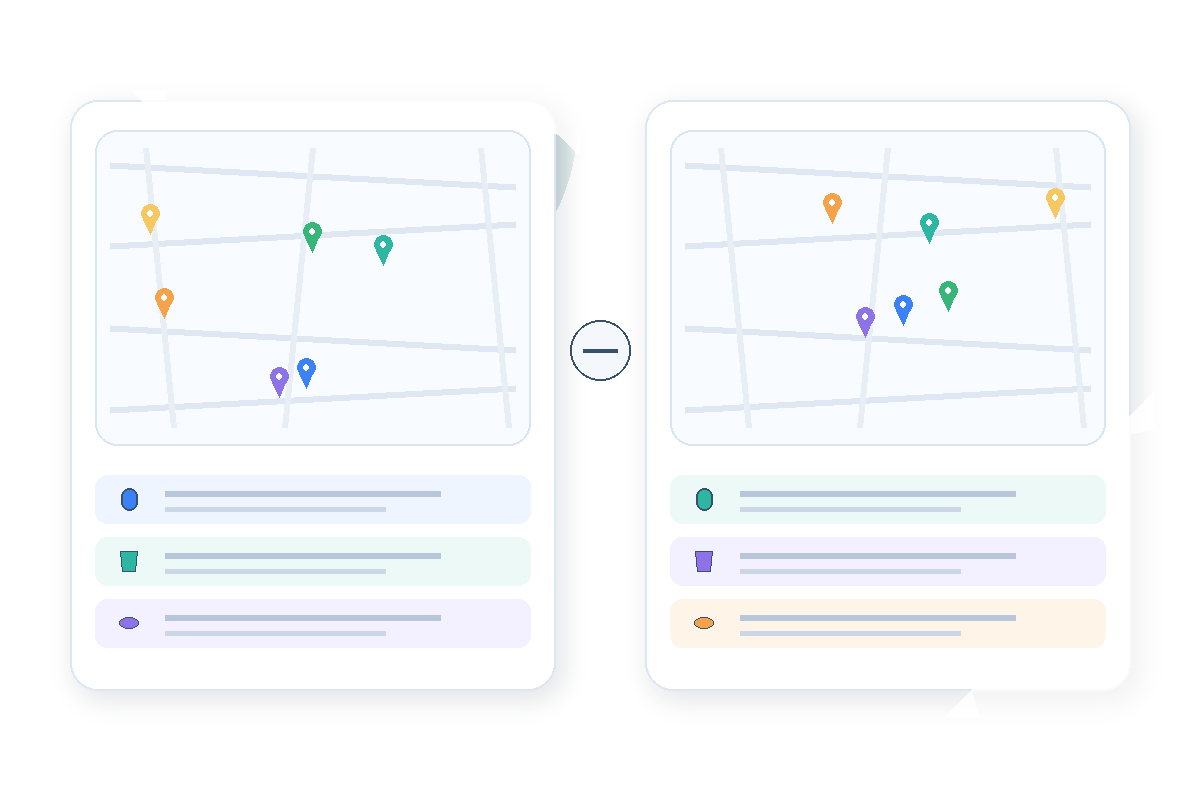
What the Rappi Restaurants & Stores Scraper Provides
Nenodata scopes managed extraction around approved public or permissioned sources, target countries or cities, restaurant or store lists, required fields, refresh expectations, and delivery format before production collection begins.
Depending on approved scope, outputs may include business and store identity, restaurant menus or store catalog fields, visible pricing and promotions, ratings where shown, location and delivery context, and collection metadata. Nenodata does not promise universal coverage, uninterrupted collection, protected-content access, or every requested field.
Private, restricted, account-protected, login-gated, partner, or personal data remains out of scope. Broader grocery and quick-commerce programs may extend through Nenodata grocery delivery app scraping. Markets, page types, fields, and destinations must be confirmed during feasibility review.
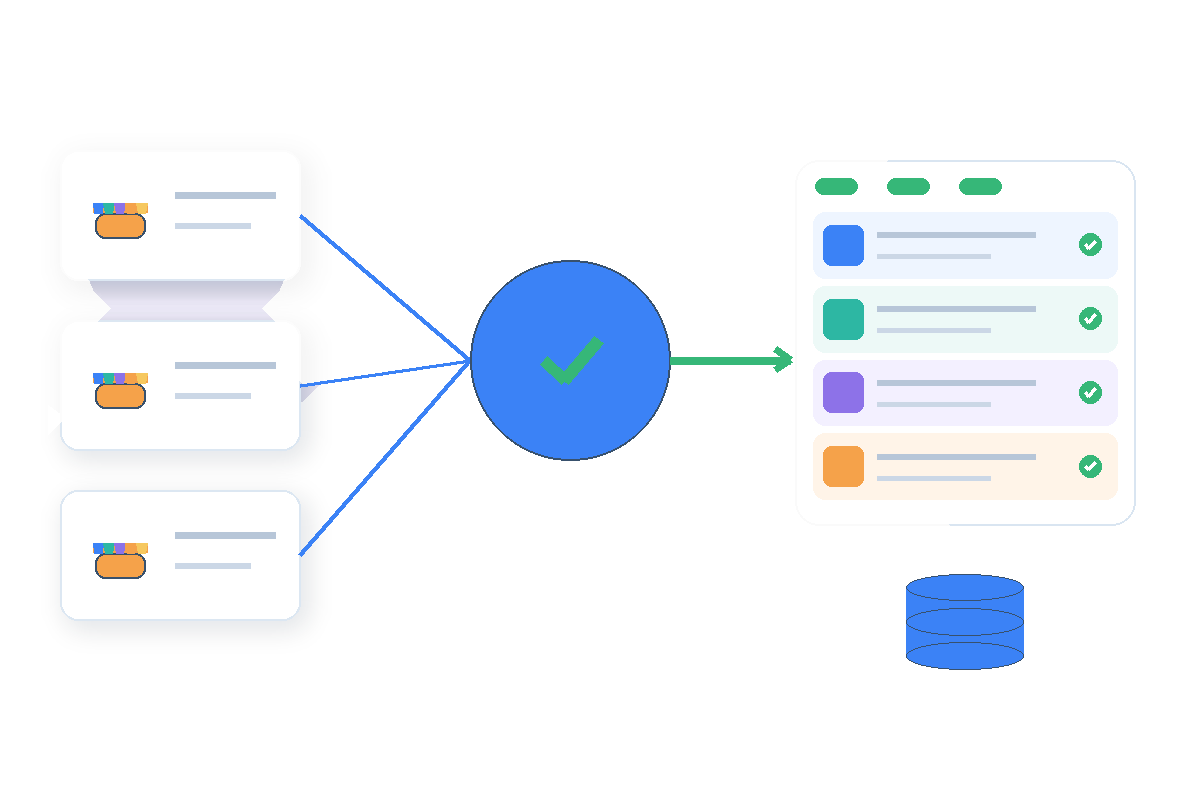
Illustrative Sample Output
Illustrative example
This sample is illustrative and is not evidence that every field is supported or available for every source. It is not an approved Nenodata deliverable or verified production extract.
| Field group | Possible fields |
|---|---|
| Identity | business_name, store_id, source_url, record_type |
| Menu or catalog | item_name, category, description, menu_availability_status |
| Pricing | listed_price, promotion_price, currency, offer_text |
| Engagement | rating_value, review_count |
| Location | city, area, country, delivery_context |
| Metadata | published_at, collected_at, availability_status, validation_status |
| Business | Type | Price | Promo | Rating | City | Area | Collected |
|---|---|---|---|---|---|---|---|
| Example listing | restaurant | Example value | Example value | Example value | Example city | Example area | YYYY-MM-DDTHH:mm:ssZ |
{
  "post_id": "EXAMPLE-LISTING-001",
  "business_name": "Example Restaurant",
  "record_type": "restaurant",
  "item_name": "Example menu item",
  "listed_price": "Example value",
  "promotion_price": null,
  "rating_value": "Example value",
  "city": "Example city",
  "area": "Example area",
  "source_url": "https://example.com/listing",
  "published_at": "YYYY-MM-DDTHH:mm:ssZ",
  "collected_at": "YYYY-MM-DDTHH:mm:ssZ",
  "availability_status": "available",
  "validation_status": "pass_with_exceptions"
}
Illustrative Rappi listing converted into normalized table and JSON records.
Data Fields and Delivery Outputs
Possible fields depend on approved sources, markets, and technical feasibility confirmed during scoping. Availability depends on what is publicly observable and permitted for the engagement.
Business and Store Identity
Business names, store identifiers, record types, and source URLs where displayed and included in the agreed schema.
Restaurant Menus and Store Catalogs
Menu items, categories, descriptions, and catalog fields where publicly displayed and confirmed during scoping.
Prices and Promotions
Listed prices, promotion prices, offer text, and currency where visible on approved pages.
Ratings and Review Signals
Rating values and review counts where publicly displayed and included in scope.
Location and Delivery Context
City, area, country, and delivery-context signals where scoped and confirmed for the target markets.
Collection Metadata
Published and collection timestamps, availability status, validation outcomes, and exception notes.
Delivery Formats
CSV, Excel, JSON, API-ready structures, scheduled feeds, and pipeline-ready files when confirmed for the engagement.
Use cases
Restaurant-Chain Footprint Monitoring
Track scoped restaurant listings across approved markets to support footprint and coverage research with location context retained.
Menu and Price Comparison
Structure menu and price fields for comparable records across delivery areas without treating missing fields as complete coverage.
Grocery and FMCG Assortment Tracking
Monitor store catalog and product fields for scoped categories to support assortment and shelf research workflows.
Promotion Monitoring
Capture promotion labels and offer text across monitored listings on an agreed cadence where sources support the workflow.
Availability Monitoring
Review availability signals by market or area where publicly displayed and confirmed during scoping.
Delivery-Market Mapping
Map structured listing coverage across cities and service areas for market-entry and expansion research.
Market-Entry Research
Assemble source-linked listing records for approved markets with timestamps and validation status for research review.
Data-Product Feeds
Deliver recurring structured extracts into analytics products or internal platforms when cadence and maintenance are contracted.
Who This Service Is For
This service is for pricing teams, restaurant analytics groups, CPG and FMCG analysts, quick-commerce researchers, category managers, and data engineering teams building menu, price, promotion, availability, and location-aware monitoring workflows.
It fits organizations that can provide representative approved inputs, a defined business or research purpose, required fields, and a viable delivery requirement rather than an unrestricted self-serve extraction tool.
Private, restricted, account-protected, login-gated, partner, or personal data remains out of scope unless separately authorized through an approved channel.
How It Works
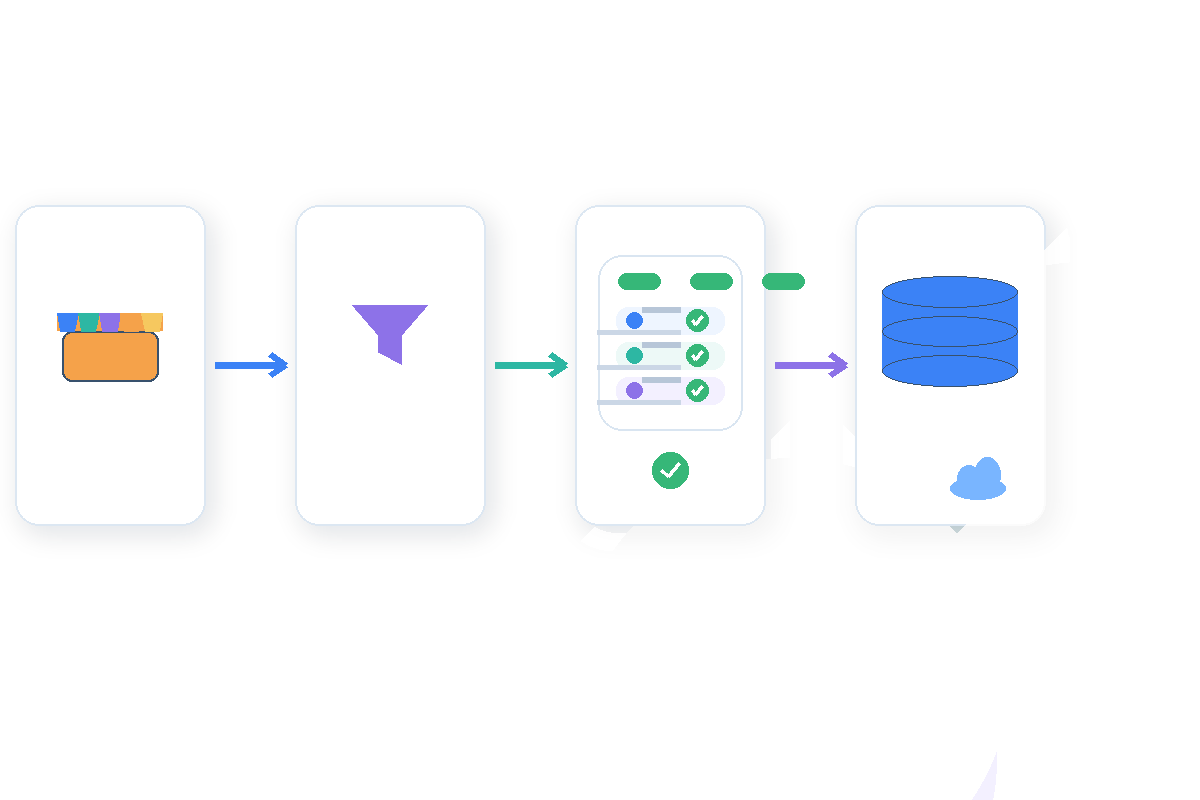
- Step 1
Share Your Requirements
Share target country or market, city or service area, representative URLs, required fields, refresh needs, and preferred delivery format.
- Step 2
Configure the Collection
Nenodata validates source feasibility and field availability through a representative sample before broader rollout.
- Step 3
Clean and Validate
Records are standardized and validated so location context, missing values, and collection timestamps remain distinct.
- Step 4
Deliver and Maintain
Structured outputs are delivered through the confirmed method, with monitoring and maintenance included when contracted.
Why Choose Nenodata
Scoped Before Coverage Is Promised
Projects begin with market, page-type, and field feasibility review rather than a promise to extract every listing or city without scoping.
Sample-First Evaluation
Representative listings and fields are reviewed before production scale so teams can confirm structure and fit early.
Analysis-Ready Structure
Records are mapped to agreed fields rather than unstructured page dumps that require downstream rework before analysis.
Managed Maintenance
When included in scope, Nenodata maintains agreed handling for source-layout and delivery changes through fully managed web scraping rather than shifting every update to internal engineering.
Delivery Built Around Your Workflow
Outputs can be scoped for files, APIs, warehouses, or custom data pipelines when destination requirements are confirmed.
Responsible Source Boundaries
Collection stays limited to approved public or permissioned sources. Protected or unsuitable requests are declined during scoping.
Integrations and Delivery
Delivery formats and destinations are agreed during scoping. Options remain conditional on technical feasibility and are not guaranteed before representative testing.
Confirmed engagements may include CSV, Excel, JSON, API-ready structures, webhooks, databases, warehouses, dashboards, alerts, and CRM workflows when destination requirements are confirmed.
Related programs can also connect through Nenodata Rappi Data Scraping Services, quick-commerce and FMCG data extraction, retail and ecommerce data solutions, price intelligence solutions, web scraping API, live crawler services, view pricing, and contact Nenodata for commercial context.
- CSV and Excel
- JSON
- API-ready structures
- Webhooks and scheduled feeds (conditional)
- Databases and warehouses (conditional)
Frequently asked questions
Request a Sample Based on Your Target Markets
Share target country or market, city or service area, representative sources, required fields, refresh cadence, and preferred delivery destination so Nenodata can scope the next step.
Include representative sources and the fields your team must receive when you submit a request through the contact flow.