Manual MRO research
Catalog search
Copy part number
Copy manufacturer / price / status
Spreadsheet
Repeat later
Stale / duplicate / missing data
Managed Industrial Catalog Data
Nenodata scopes and manages an ASC Global MRO Scraper workflow that structures agreed public industrial catalog pages into parts records for procurement research, catalog enrichment, availability monitoring, and delivery into agreed systems.
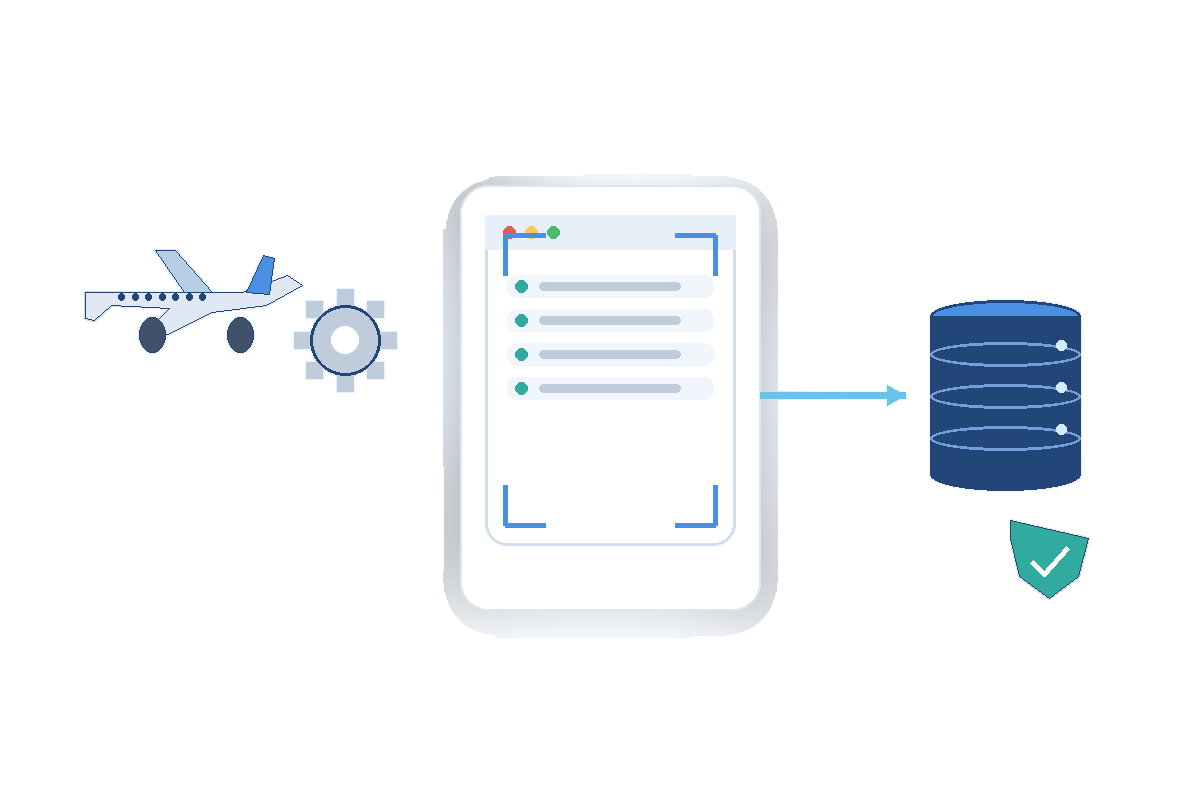
Procurement and maintenance teams often assemble parts intelligence from manual catalog searches, copied spreadsheets, and repeated checks that fall behind when listings change, prices move, or the same part appears under inconsistent identifiers.
Pagination shifts, duplicate records, optional public fields, and page-layout changes make one-off scripts difficult to trust for part-number research, catalog enrichment, or downstream system loads.
A managed workflow defines the approved public source pages first, then maps part identity, manufacturer context, classification, public commercial signals, and observation metadata into a repeatable schema with transparent missing-value handling.
Manual MRO research
Catalog search
Copy part number
Copy manufacturer / price / status
Spreadsheet
Repeat later
Stale / duplicate / missing data
Managed parts data
Approved catalog pages
Structured extraction
Normalization
Validation
Repeatable parts dataset
Nenodata scopes extraction around the catalog pages, search paths, part fields, validation rules, refresh needs, and delivery destinations required for your procurement or maintenance workflow.
Engagements may include part identity, manufacturer and classification context, public price or availability signals, specifications, source URLs, collection timestamps, and structured delivery when those elements are publicly visible and included in the agreed schema.
Collection is limited to approved public pages. Private, login-protected, restricted, or otherwise unsuitable sources remain out of scope. Broader managed extraction may extend through fully managed web scraping services. Coverage, cadence, supported fields, and destinations are agreed during scoping.
MRO data scope
Potential structured data
Review an illustrative schema for part identity, manufacturer context, classification, public commercial signals, source URLs, and publication status. Actual fields require source confirmation before production work begins.
Illustrative example
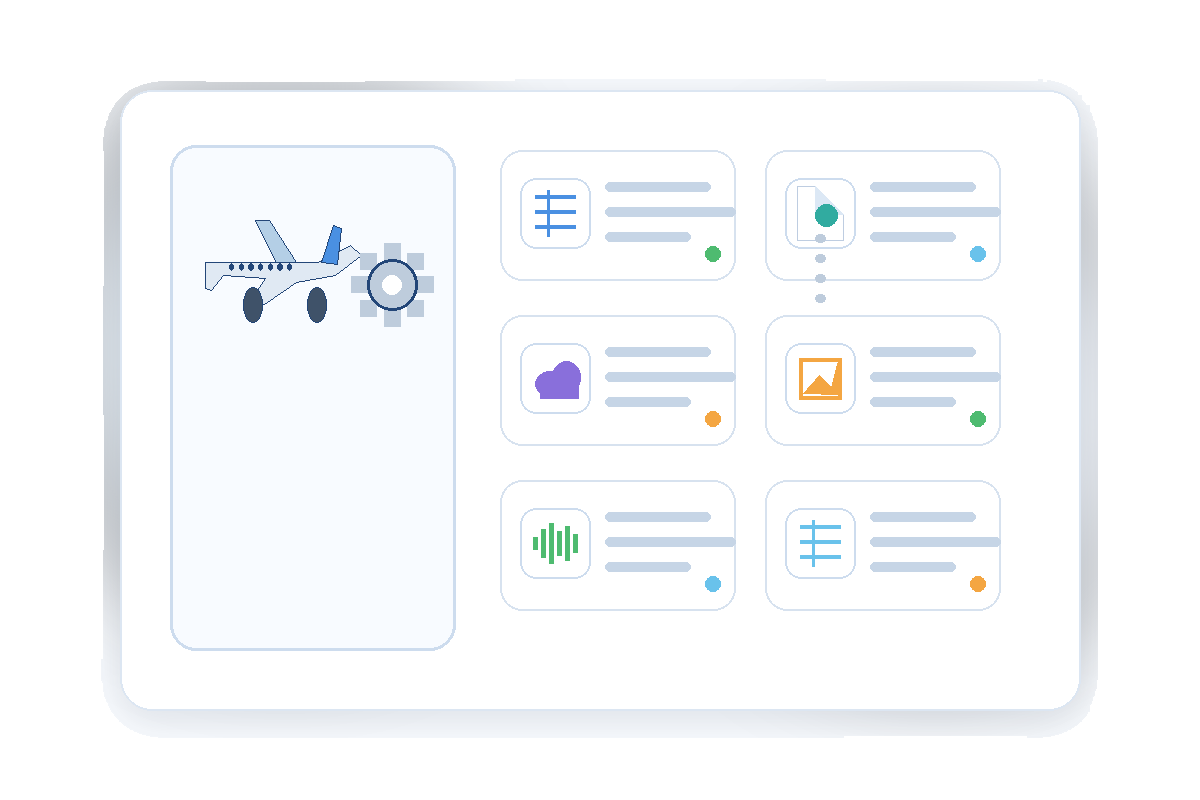
| part_numberConfirmed | manufacturerConfirmed | product_titleConfirmed | categoryOptional | conditionOptional | public_priceOptional | currencyOptional | availabilityOptional | source_urlConfirmed | publication_statusConfirmed |
|---|---|---|---|---|---|---|---|---|---|
| EXAMPLE-PN-1048 | Example Manufacturer | Example industrial component | Example category | New | 124.50 | USD | In stock | https://example.com/catalog/EXAMPLE-PN-1048 | Active |
| EXAMPLE-PN-1049 | Example Manufacturer | Example replacement unit | Example category | null | null | USD | null | https://example.com/catalog/EXAMPLE-PN-1049 | Active |
Illustrative example
Illustrative part record
Illustrative example
Potential field groups and delivery options depend on the approved source pages and agreed schema.
Part numbers, product titles, descriptions, and listing identifiers when publicly displayed on approved catalog pages.
Manufacturer names, brand context, categories, classifications, and related taxonomy fields when shown on the source.
Public price, currency, availability, condition, and related commercial indicators when disclosed on approved pages.
Specification attributes, source URLs, collection timestamps, publication status, and observation metadata retained for review.
CSV, Excel, JSON, API-oriented records, database loads, warehouse delivery, scheduled files, and webhooks when confirmed for the engagement.
when confirmed for the engagement
Procurement analysts structure part-number searches into repeatable records for sourcing and technical review.
Catalog teams supplement internal item masters with public manufacturer, classification, and specification context from approved pages.
Maintenance planners monitor availability signals for scoped part sets without rebuilding manual watchlists.
Buyers compare publicly displayed price and currency fields for scoped catalog segments, including workflows that overlap with price intelligence solutions where pricing research is part of the program.
Data teams normalize manufacturer and category fields for procurement taxonomies and internal lookup models.
Engineering and procurement groups review publication status and listing-state signals for lifecycle planning.
Sourcing teams compare structured records across approved catalog segments for bid support and supplier review.
Application teams load validated parts records into internal search tools and may extend delivery through retail and ecommerce data solutions where broader catalog programs are in scope.
This service is for procurement teams, maintenance planners, MRO analysts, catalog administrators, aviation and industrial operators, and internal data teams that need structured observations from approved public catalog pages.
The managed workflow pattern is described in how Nenodata works.
01
Share representative catalog URLs or searches, required fields, filters, intended use, delivery format, and refresh needs.
02
Nenodata configures collection against the agreed public pages and validates a representative sample before broader rollout.
03
Records are normalized, deduplicated, and validated so optional public values and missing fields remain distinct in the output.
04
Structured outputs are delivered through the confirmed method, with maintenance included when contracted.
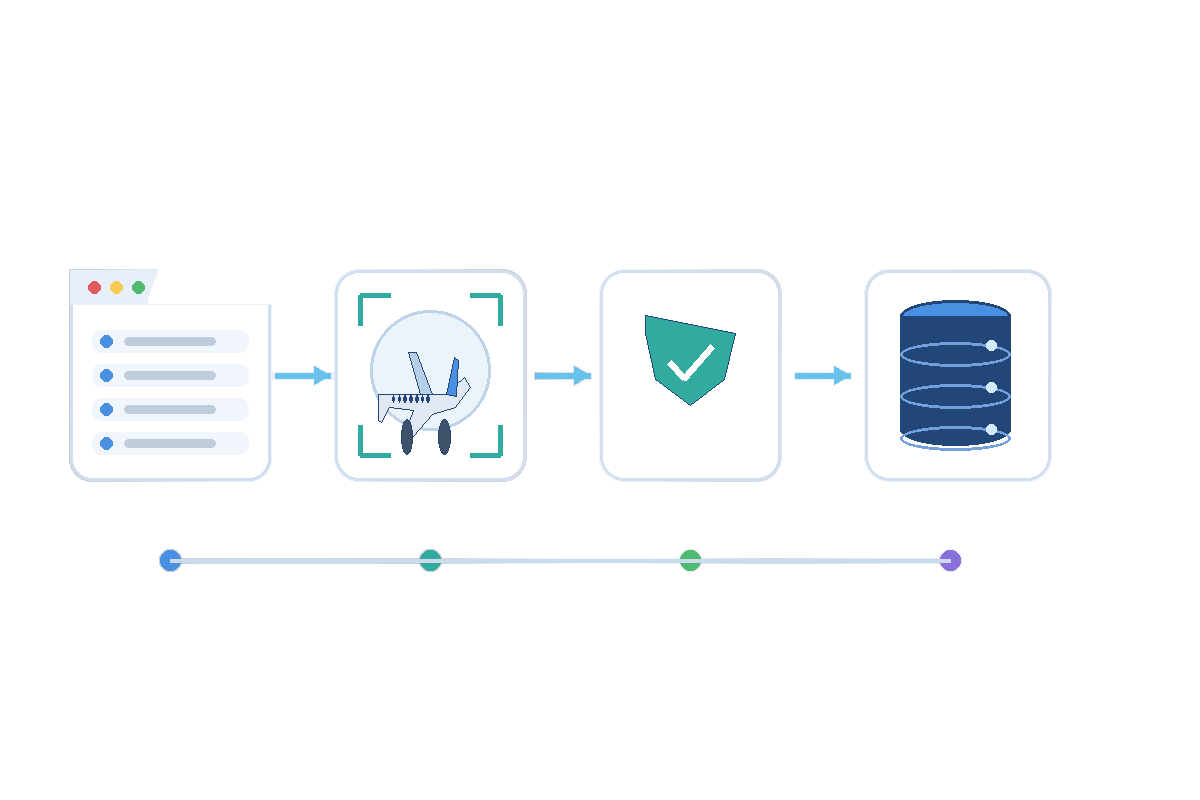
Representative catalog pages and fields are reviewed before broader collection begins.
Field names, null handling, and destination mapping are planned around procurement, maintenance, and catalog workflows.
Incomplete, duplicate, or changed records remain visible through agreed validation and exception handling.
When included in scope, Nenodata maintains agreed handling for source-layout and delivery changes.
Outputs are structured for spreadsheets, databases, warehouses, procurement tools, and application workflows confirmed during scoping.
Work stays limited to approved public sources and intended uses. Restricted or inappropriate collection requests are declined during scoping.
Potential delivery formats may include CSV, Excel, JSON, API-oriented records, database delivery, warehouse delivery, scheduled files, and webhooks when supported for the engagement.
Pipeline extensions may use Nenodata custom data pipelines. Review Nenodata plans and custom pricing for engagement models. Destinations and formats remain subject to confirmation during technical scoping.
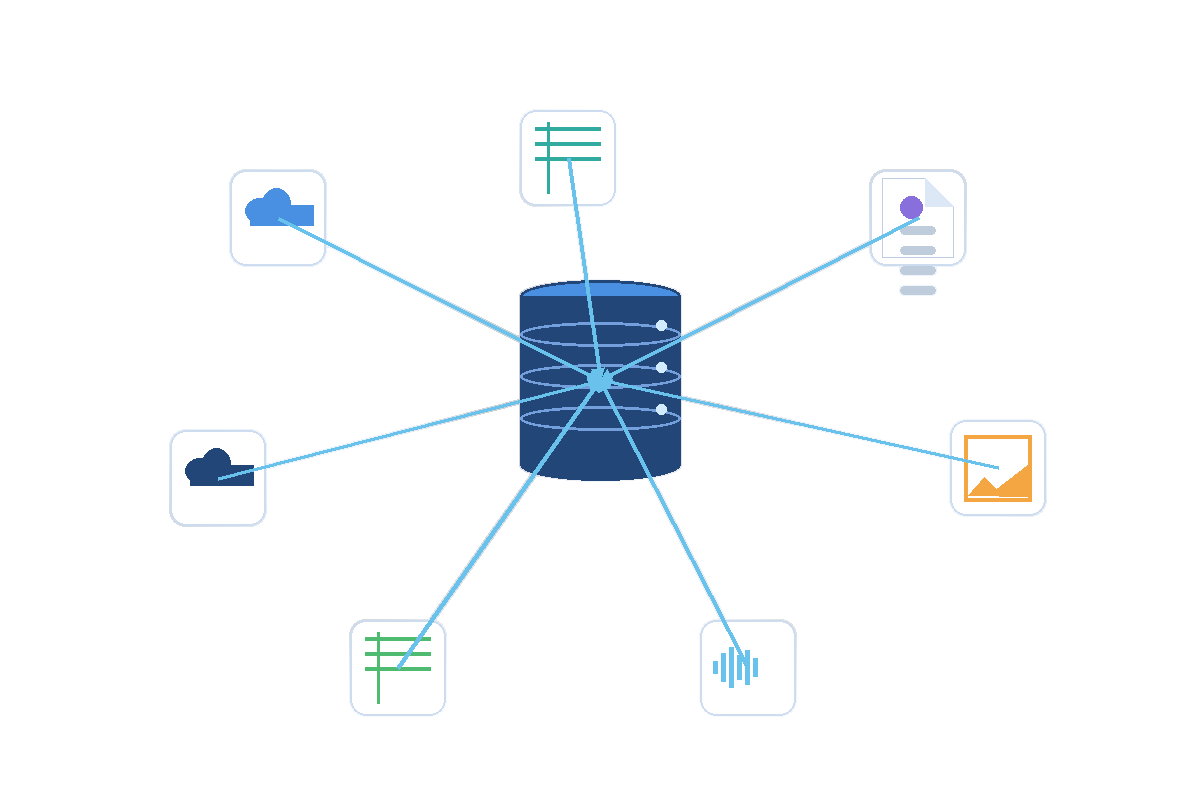
Structured MRO parts data
Delivery layer
CSV / Excel
JSON
API-oriented
Database
Warehouse
Scheduled files
Webhooks
Spreadsheets / procurement tools / databases / warehouses / application workflows
Exact fields depend on the approved pages and schema. Potential groups include part identity, manufacturer and classification, public commercial signals, specifications, source metadata, and publication status.
No. Collection is limited to approved public pages. Private, login-protected, restricted, or otherwise unsuitable sources remain out of scope.
Missing optional values are preserved as null rather than invented. Fields that are not publicly displayed on the approved source pages remain visibly absent in the sample review.
One-time and recurring schedules can be discussed. Exact frequency depends on source behavior, volume, and contracted maintenance.
Formats and destinations are agreed during scoping and may include CSV, Excel, JSON, API-oriented records, database delivery, warehouse delivery, scheduled files, and webhooks when supported.
When maintenance is included in scope, Nenodata monitors agreed layout or delivery impacts and updates the scoped workflow rather than leaving every change to internal engineering.
No. Nenodata is an independent data-services provider. This page does not claim partnership, endorsement, official API status, or marketplace authorization.
Share target URLs or page types, required fields, estimated volume, refresh cadence, intended use, and preferred delivery destination so Nenodata can scope the next step.
Include business contact details with your request when you contact Nenodata.
Project request inputs
Catalog source
Part fields
Representative sample
Approved schema
Production workflow