Costco Product Scraper for Pack Size, Unit Price & Catalog
Nenodata's Costco Product Scraper workflow structures agreed publicly visible product pages into normalized pricing, promotion, pack-size, availability, and catalog records for benchmarking, assortment research, and delivery into agreed systems. For USA-market Costco feed programs with member-price signal scoping, see Costco USA Data Scraping.
- Sample-first field and pack-context review
- Location and timestamp context retained
- CSV, Excel, JSON, or API-ready outputs where scoped
The Costco Data Problem
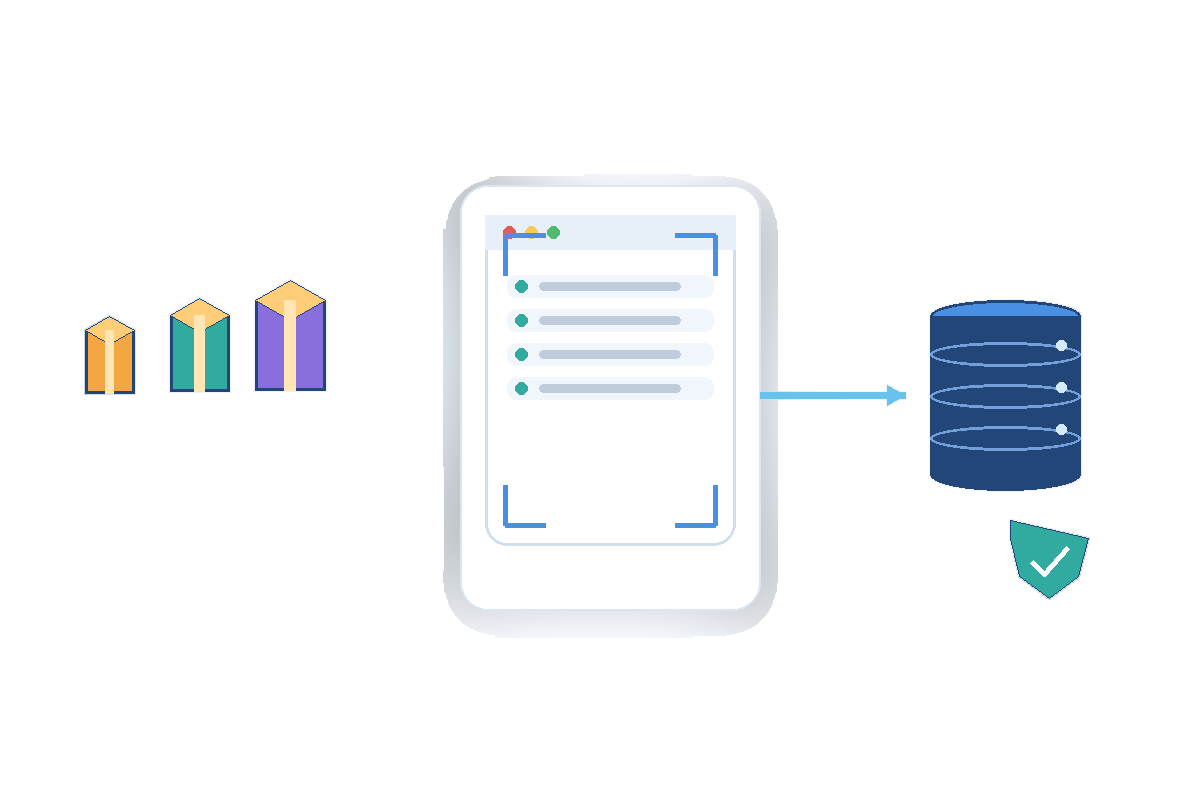
Retail and analytics teams often compare Costco product prices without pack size, unit context, location setting, or collection time, so a lower displayed price can look better than a higher-value multi-pack or regional listing observed at a different moment.
Manual checks and fragile collectors struggle when promotions change, availability labels shift, or the same item appears under inconsistent identifiers across categories and location contexts.
A managed workflow defines the approved public product pages first, then maps product identity, visible pricing and promotions, pack and quantity context, availability and location signals, rating indicators where shown, and collection metadata into a repeatable schema with transparent missing-value handling.
What the Costco Product Scraper Provides
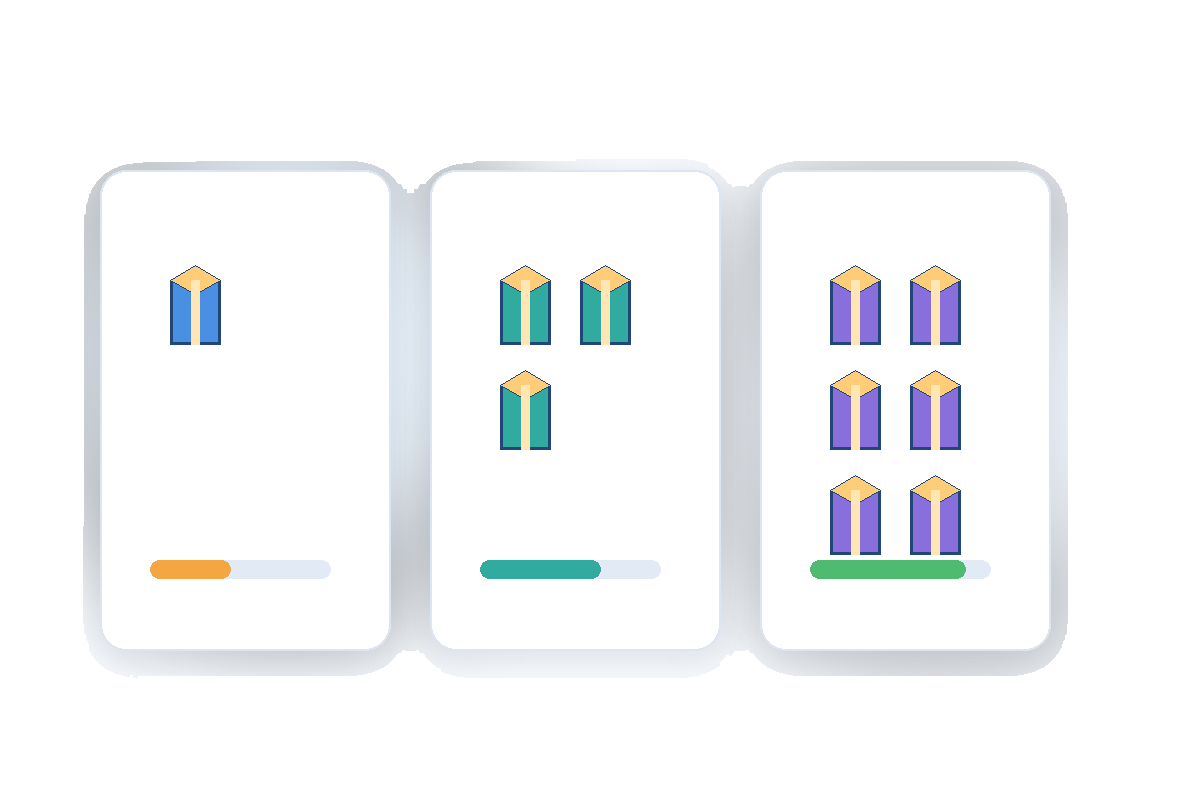
Nenodata scopes extraction around the publicly visible product pages, agreed fields, location inputs where applicable, validation rules, refresh needs, and delivery destinations required for your pricing or catalog workflow.
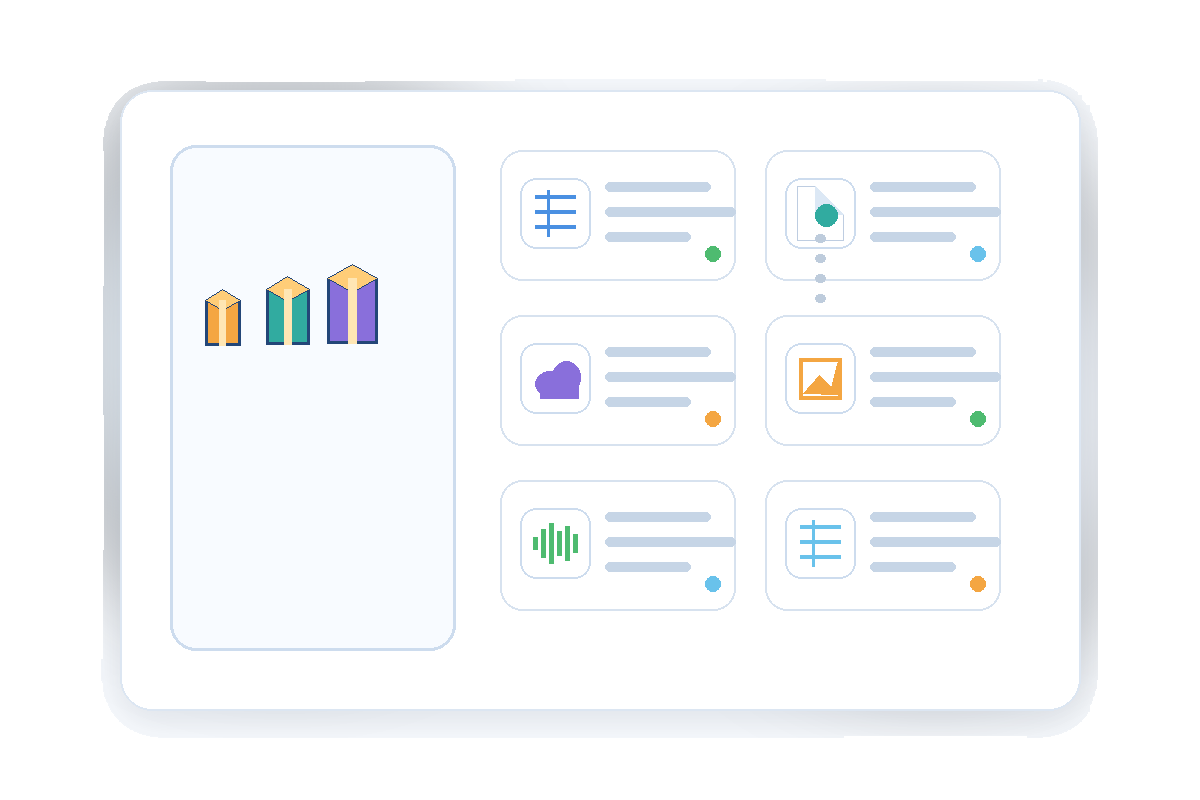
Engagements may include product identity, visible pricing and promotion text, pack or quantity context, availability and location signals, rating indicators where displayed, source URLs, collection timestamps, and structured delivery when those elements are publicly visible and confirmed during feasibility review.
Collection is limited to approved public pages. Membership-gated, login-protected, account-dependent, or otherwise restricted information remains out of scope. Broader retail programs may extend through Nenodata retail and e-commerce data solutions. Fields, location context, refresh cadence, and destinations must be confirmed during scoping.
Costco product scraper vs USA member-price feeds
Use this page for pack size, unit price, and catalog fields on Costco product pages. Use Costco USA scraping for member-price market feeds, or Best Buy USA for electronics listings.
| Source | Best for | Learn more |
|---|---|---|
| Costco product scraper | Pack size, unit price, catalog, and product-page fields | This service |
| Costco USA | USA member-price, promotion, and availability feeds | Costco USA scraping |
| Best Buy USA | Electronics listing, USD price, and stock — not warehouse packs | Best Buy USA scraping |
Representative Sample Output
Review an illustrative product-data record with price, pack size, availability, source URL, and timestamp fields. Actual deliverable fields require source confirmation before production work begins.
Illustrative example
This preview is illustrative only and is not a confirmed Nenodata deliverable, verified production extract, or evidence of universal field coverage.
Illustrative JSON record
{
  "product_id": "100331206",
  "product_name": "Kirkland Signature Bath Tissue, 30 Rolls",
  "brand": "Kirkland Signature",
  "category": "Household Essentials",
  "listed_price": "24.99",
  "promotion_text": null,
  "pack_size": "30",
  "unit_of_measure": "rolls",
  "unit_price_context": "0.83 per roll",
  "availability": "In stock",
  "location_context": "98052",
  "average_rating": "4.8",
  "source_url": "https://www.costco.com/kirkland-signature-bath-tissue-30-rolls.product.100331206.html",
  "collected_at": "2026-08-12T15:08:22Z",
  "validation_status": "passed"
}
Illustrative product-data record with price, pack size, availability, source URL and timestamp fields.
Data Fields and Delivery Outputs
Potential field groups depend on the approved public pages, location context, and technical feasibility confirmed during scoping.
Product Identity
Product names, item identifiers, brand, and category labels where publicly displayed and included in the agreed schema.
Visible Pricing and Promotions
Listed price signals, promotion text, and related visible pricing context when present on approved pages.
Pack, Quantity and Unit Context
Pack size, quantity, unit-of-measure, and unit-value context when publicly shown and confirmed during scoping.
Availability and Location Context
Availability labels and location or warehouse context where publicly displayed and included in scope.
Ratings and Review Signals
Average ratings or related public review signals when shown on the approved product pages.
Collection Metadata
Source URLs, collection timestamps, location context, validation status, and exception notes retained for review.
Delivery Formats
CSV, Excel, JSON, API-ready structures, and database- or cloud-ready files when confirmed for the engagement.
Costco-Specific Use Cases
Competitor Price Benchmarking
Pricing teams compare structured visible prices for scoped SKUs, including workflows that overlap with price intelligence solutions where cross-retailer monitoring is part of the program.
Pack and Unit-Value Comparison
Analysts compare pack size and unit-value context so multi-pack listings are not mistaken for single-unit offers.
Promotion and Savings Tracking
Merchandising teams track publicly displayed promotion text and savings signals for scoped product sets on an agreed cadence.
Assortment and New-Product Monitoring
Category teams review structured catalog attributes for assortment planning and new-product observation where pages are in scope.
Availability and Regional-Context Tracking
Operations groups monitor availability labels with location context when public pages support the agreed regional inputs.
Category Research
Research teams map category coverage and product attributes across approved public Costco product sets.
Catalog Enrichment
Data teams supplement internal item masters with public pack, pricing, and source-linked metadata from approved pages.
Recurring BI Feeds
Analytics groups deliver recurring structured extracts to BI systems when refresh cadence and maintenance are contracted.
Who This Service Is For
This service is for pricing teams, retail analysts, ecommerce operators, catalog administrators, and data engineering groups that need structured observations from agreed publicly visible Costco product pages.
It fits organizations that want sample-first scoping rather than fragile one-off collectors for changing product layouts, pack context, and location-sensitive signals.
Comparable retailer programs may also use Nenodata Costco USA Data Scraping or Walmart data scraping services. Membership-gated or restricted information remains out of scope.
How It Works
The managed engagement model is described in how Nenodata works.
- Step 1
Define the Dataset
Share representative product URLs or searches, required fields, location inputs where applicable, delivery format, refresh needs, and intended use.
- Step 2
Configure the Collection
Nenodata validates approved public pages, pack and pricing fields, and location behavior through a representative sample before broader rollout.
- Step 3
Structure and Review
Records are normalized and validated so pack context, promotions, null values, and collection timestamps remain distinct in the output.
- Step 4
Deliver the Data
Structured outputs are delivered through the confirmed method, with maintenance included when contracted.
Why Choose Nenodata
A Representative Sample Before Scale
Representative pages and fields are reviewed before broader collection begins so teams can confirm pack, pricing, and location fit early.
A Schema Built Around the Decision
Field names, null handling, and destination mapping are planned around the buyer's pricing or catalog workflow rather than a generic export alone.
Managed Execution
When included in scope, Nenodata maintains agreed handling for source-layout and delivery changes through managed web scraping services rather than shifting every update to internal engineering.
Responsible Public-Data Scope
Work stays limited to approved public pages and intended uses. Membership-gated or restricted collection requests are declined during scoping.
Context and Timestamps in the Output
Location context, source URLs, and collection timestamps stay with each record so comparisons remain interpretable over time.
Delivery Designed for Downstream Use
Outputs can be scoped for files, API-ready structures, or custom data pipelines when downstream automation is in scope.
Delivery and Integration Options
Delivery formats are agreed during scoping. Conditional options remain subject to technical feasibility and are not guaranteed before representative testing.
CSV and Excel
Spreadsheet-ready files for analysis and reporting workflows when confirmed for the engagement.
JSON
Structured JSON records for application and analytics ingestion when confirmed for the engagement.
API-Ready Structures
API-oriented record shapes for internal services. This does not imply a hosted Costco endpoint.
Database- or Cloud-Ready Files
Files prepared for database or cloud warehouse loads when destination requirements are confirmed.
Conditional Delivery Options
ConditionalScheduled delivery, webhooks, and related automation may be available when technically feasible and included in scope.
Frequently Asked Questions
Request a Representative Sample
Share representative product URLs, required fields, pack or location context, refresh cadence, expected volume, intended use, and preferred delivery destination so Nenodata can scope the next step.
Include business contact details with representative URLs, required fields, desired cadence, format, and destination when you view pricing or contact Nenodata.