Data Extraction Services
Outsourced Data Mining Services
Collecting data is only one part of a usable data-mining project. The information must also be structured, checked, normalized, delivered in the required format, and maintained when the source changes.
Nenodata supports managed data projects involving agreed websites, documents, APIs, and customer-authorized data sources. Depending on the approved scope, a project may include extraction, cleaning, deduplication, enrichment, validation, scheduled delivery, and monitoring. Nenodata’s current website presents web scraping, document processing, lead-data enrichment, APIs, and managed data workflows as related data extraction services.
Share representative sources, required fields, target geography, expected volume, and preferred output so the project can be reviewed for feasibility.
Request a Data Sample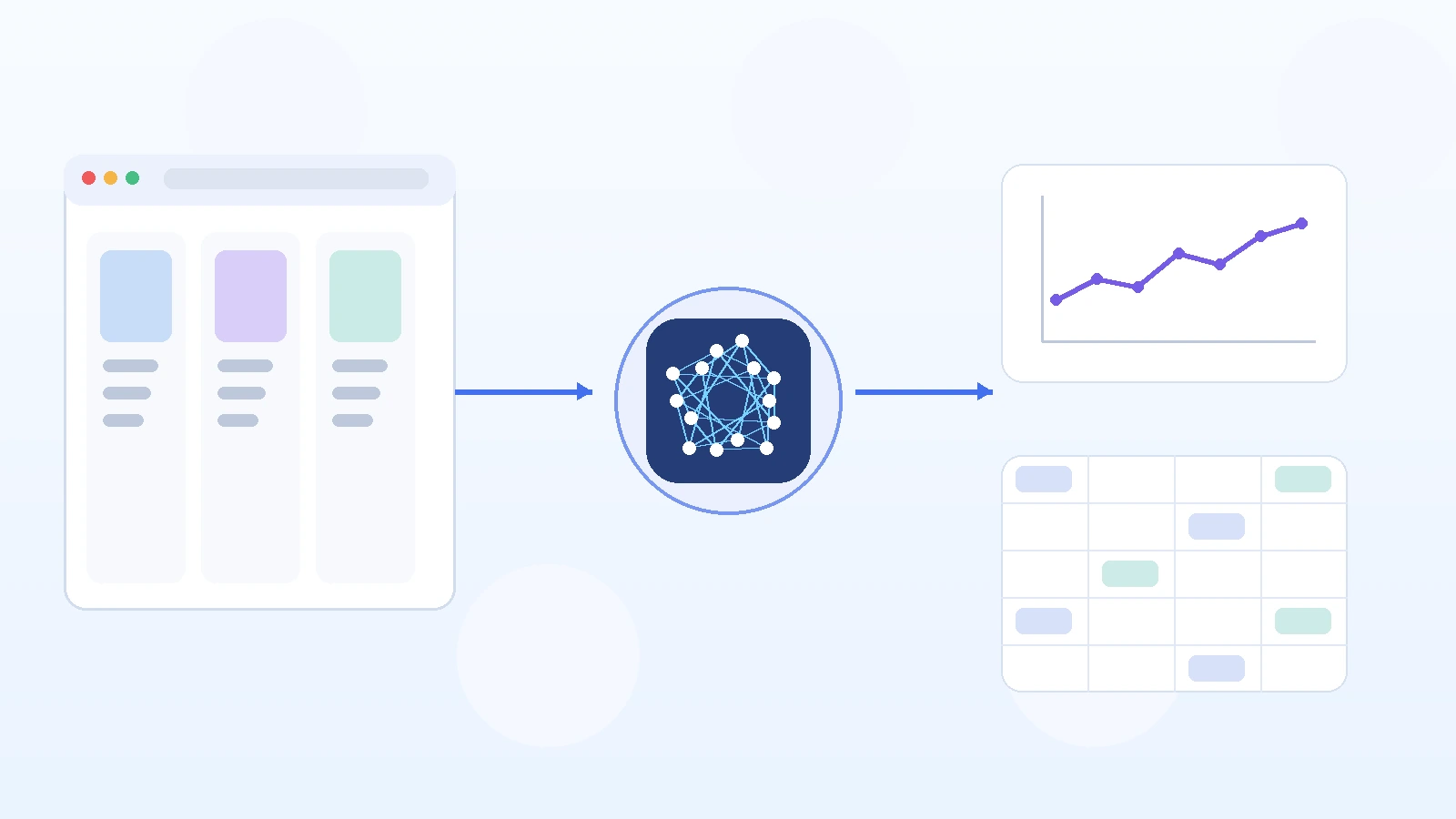
What does outsourcing data mining mean?
Outsourcing data mining means assigning an external provider responsibility for defined parts of a data workflow. This may include collecting information, transforming raw values, applying quality rules, and delivering records to the buyer’s systems.
The exact scope matters because several related terms are often used interchangeably:
| Service | Main purpose | Typical output |
|---|---|---|
| Web crawling | Discover relevant pages across approved websites | URL inventory or page index |
| Web scraping | Extract selected information from pages | Structured website records |
| Document extraction | Pull fields from PDFs, scans, invoices, contracts, or reports | Structured document records |
| Data cleaning | Correct or standardize inconsistent values | Normalized dataset |
| Data enrichment | Add approved supplementary fields | Expanded records |
| Data mining | Organize, filter, classify, or identify useful information in collected data | Prepared datasets or findings |
| Data analytics | Interpret data to answer a business question | Reports, dashboards, or models |
A project to collect competitor prices is different from a project to predict future prices. The first requires extraction, matching, validation, and delivery. The second may also require statistical or machine-learning work. Buyers should define the expected output rather than assume that every activity is included under “data mining.”
Data-mining work businesses can outsource
Website and marketplace data collection
Businesses may need structured information from approved websites, directories, listings, catalogs, or marketplaces.
A typical specification may include:
- Source websites and page types
- Countries, regions, or postal codes
- Product, company, or listing identifiers
- Required and optional fields
- Collection timestamps
- Refresh frequency
- Output schema
- Missing-value rules
- Delivery destination
Nenodata’s service portfolio includes website extraction, enterprise web scraping, enterprise web crawling, ecommerce data, competitor monitoring, lead collection, and structured delivery.
Source feasibility must be reviewed before production. Data visibility, geographic variation, authentication, page structure, permitted use, expected volume, and refresh requirements can affect the proposed workflow.
Product, pricing, and catalog data
Retail, ecommerce, manufacturing, and market-intelligence teams may require fields such as:
- Product name
- Brand
- Model or SKU
- Category
- Price
- Promotion
- Availability
- Seller
- Rating
- Product attributes
- Source URL
- Collection time
The difficult part is often standardization rather than extraction. Different sources may express the same condition as “available,” “in stock,” “limited,” or “ships in two days.” Those values need an agreed mapping if the final dataset will support comparison or reporting.
Nenodata currently offers related ecommerce data extraction and price intelligence services for collecting and structuring product, price, availability, assortment, and catalog-change information from agreed sources.
Company and lead data
A company-data project may involve:
- Business names
- Locations
- Industry classifications
- Public company descriptions
- Job roles
- Publicly available contact fields
- Company-size indicators
- Directory information
- Technology indicators
- Source and verification status
Nenodata’s lead generation and enrichment service currently describes company and contact-data extraction, enrichment, classification, and delivery to a CRM or database. Numerical accuracy and performance claims on that page should be verified separately before reuse.
A project brief should state which fields and sources are approved, how uncertain matches will be represented, and what “verified” means. Inferred or generated contact information should not be presented as confirmed without an agreed validation method.
PDFs, reports, invoices, and other documents
Document-focused projects may require structured information from:
- PDFs
- Invoices
- Contracts
- Reports
- Statements
- Forms
- Product sheets
- Scanned images
- Tables
- Handwritten material
Nenodata’s intelligent document processing page currently describes extraction from PDFs, contracts, invoices, reports, scans, images, and handwritten notes.
Document quality should be assessed by document class. A clean digital invoice and a low-resolution handwritten scan should not be assigned the same quality expectation without representative testing.
Data cleaning and enrichment
Extracted records often require preparation before they can be used.
The agreed work may include:
- Standardizing dates and currencies
- Normalizing units
- Mapping categories
- Trimming inconsistent text
- Separating combined fields
- Matching entities
- Removing duplicates
- Flagging missing values
- Applying reference lists
- Adding approved supplementary fields
The required rules should be documented before full production. Otherwise, two teams may interpret “clean data” differently.
What should a data-mining provider deliver?
The expected delivery should be defined at field level, not merely as “an Excel file” or “an API.”
Depending on the approved project setup, a delivery may include:
- CSV or Excel files
- JSON records
- API-ready output
- Database tables
- Cloud-storage files
- CRM-ready records
- A data dictionary
- Source references
- Collection timestamps
- Validation statuses
- Exception records
- Run summaries
Nenodata’s current website refers to JSON, CSV, Excel, APIs, databases, CRM delivery, webhooks, and direct integrations across its service pages. Confirm which options apply to the specific engagement before including them in a proposal.
Define the output schema before extraction
A useful schema normally specifies:
- Field name
- Definition
- Data type
- Required or optional status
- Example value
- Null handling
- Allowed values
- Source field
- Normalization rule
- Validation rule
Designing the schema first reduces the risk of collecting large quantities of information that cannot be joined, compared, or loaded into the destination system. Nenodata’s enterprise web-scraping guide also recommends defining schemas and quality thresholds before production.
How an outsourced data-mining project should work
1. Define the business use
Start with the decision or workflow the data must support.
Examples include:
- Comparing product prices
- Monitoring catalog changes
- Building an approved company directory
- Extracting invoice fields
- Enriching product records
- Tracking public competitor updates
- Preparing records for reporting
The business use determines which fields are essential.
2. Review representative sources
The feasibility review should consider:
- Data visibility
- Source structure
- Page or document variations
- Geographic behavior
- Authentication or permission requirements
- Volume
- Change frequency
- Refresh expectations
- Intended use
- Delivery requirements
Representative testing should cover more than one ideal page or document. It should include missing fields, alternate layouts, inactive records, pagination, geographic differences, and poor-quality inputs where relevant.
3. Approve the schema and sample
Before full production, the buyer should review a representative sample for:
- Field coverage
- Formatting
- Data types
- Source traceability
- Missing-value handling
- Duplicate treatment
- Category mapping
- Integration readiness
The sample should include difficult cases instead of presenting only perfect records.
4. Agree on validation rules
Quality terms should be measurable.
| Quality dimension | Decision to document |
|---|---|
| Coverage | Which sources and page or document types are included? |
| Completeness | Which fields are mandatory? |
| Validity | Which formats, ranges, or allowed values apply? |
| Duplication | What constitutes a duplicate? |
| Freshness | How recent must the data be? |
| Schema conformity | Which structure and data types are required? |
| Exceptions | Which records are retried, flagged, or reviewed? |
| Reprocessing | When will rejected records be processed again? |
Do not accept an undefined promise of “high accuracy.” The provider and buyer should agree on how quality will be calculated, sampled, reported, and accepted.
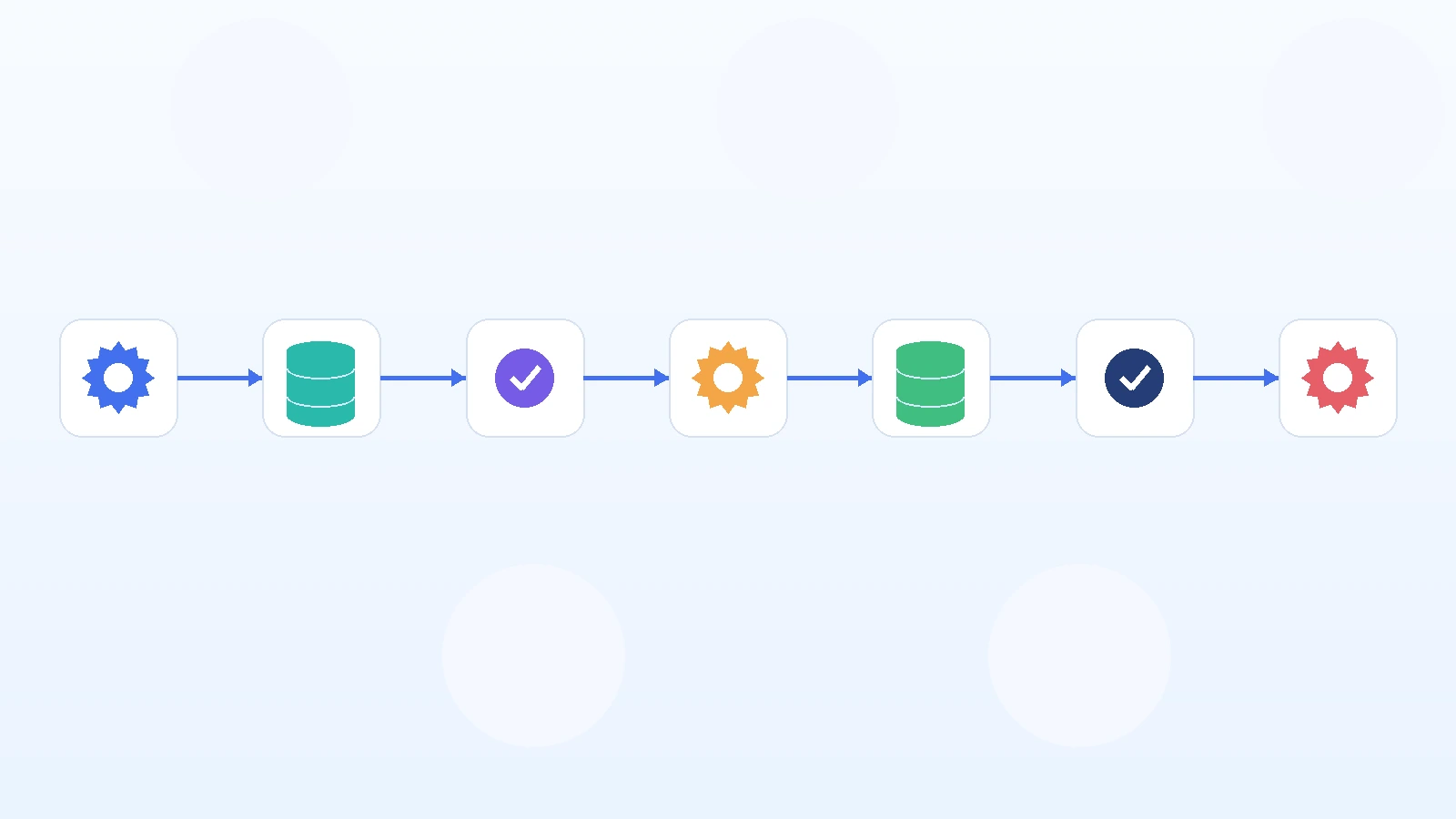
5. Deliver once or operate a recurring pipeline
After sample approval, the project may proceed as:
- A one-time dataset
- A scheduled file delivery
- A recurring database update
- An API-based feed
- A monitored data pipeline
Nenodata’s technical content describes managed services as an operating model in which the provider owns more of the maintenance, quality assurance, and delivery lifecycle. It also identifies website changes, selector drift, schema changes, monitoring, retries, and validation as recurring operational concerns. See the enterprise-grade web scraping guide for a broader comparison of managed extraction versus internal maintenance.
Ready to scope sources, fields, validation rules, and delivery? Share your requirements for a feasibility review.
Review My Data RequirementsOne-time dataset or managed pipeline?
| Requirement | One-time project | Managed pipeline |
|---|---|---|
| Suitable for | Research, migrations, audits, initial datasets | Monitoring, recurring reporting, operational feeds |
| Delivery | One delivery or agreed reruns | Scheduled delivery |
| Monitoring | Usually limited | Defined ongoing monitoring |
| Source changes | Handled through additional scope | Covered according to the maintenance agreement |
| Quality reporting | Final-delivery checks | Per-run or periodic reporting |
| Internal effort | Buyer manages future updates | Provider owns more of the operating workflow |
Choose a one-time project when the information has a limited purpose or does not need frequent updates. Choose a managed pipeline when the data supports ongoing pricing, catalog, research, sales, or reporting processes.
Common risks to address before outsourcing
Source changes
Websites can change layouts, navigation, identifiers, or embedded data. The agreement should state who detects changes, how failures are reported, and whether repairs are included.
Missing or inconsistent fields
A source may remove a value or display it only in certain locations. Missing information should be returned as a documented null or exception—not silently replaced with a guessed value.
Duplicate records
Duplicate pages, URL parameters, mirrored listings, and changing identifiers can create repeated records. The deduplication key and retention rule should be approved before production.
Schema drift
Changing a column name or data type can break downstream systems. Schema versions and changes should be documented.
Geographic variation
Prices, availability, content, and search results may differ by location. Geography must be defined in the project scope.
Poor document quality
Skew, handwriting, low resolution, unusual tables, and overlapping stamps can affect document extraction. Test each important document class separately.
Unclear maintenance ownership
A working first delivery does not guarantee a reliable recurring workflow. Clarify monitoring, retries, escalation, repair, and reprocessing responsibilities.
What affects project cost?
Custom data-mining work should be priced from the approved scope rather than a universal per-record figure.
Important cost inputs include:
- Number of sources
- Source complexity
- Number of page or document types
- Required fields
- Estimated volume
- Geography
- Historical depth
- Refresh frequency
- Cleaning and mapping rules
- Entity matching
- Enrichment
- Human review
- Delivery integration
- Monitoring
- Maintenance
- Reporting requirements
Compare providers based on the cost of usable accepted output, not only the price per page, request, or raw record.
Nenodata publishes platform plans on its homepage, but those figures should not be assumed to price a custom managed data-mining engagement.
How to evaluate a data-mining provider
Before choosing a provider, ask:
- Can you test our representative sources?
- Will the sample include incomplete and difficult records?
- Which fields and source types are covered?
- How are missing values represented?
- How are duplicates identified?
- How is quality calculated and reported?
- Who owns source-change monitoring?
- What happens after a failed run?
- Which delivery formats are confirmed for our project?
- How are schema changes communicated?
- Which security controls can be documented?
- Which claims can be supported with evidence?
- What is included in maintenance?
- How are scope changes priced?
- What happens to our data when the project ends?
Avoid absolute claims about security, compliance, accuracy, uptime, or universal source access unless the provider supplies documentation that applies to the proposed engagement.
Prepare your project requirements
A useful request should include:
- Business purpose
- Representative source URLs or files
- Mandatory and optional fields
- Target geography
- Estimated records or documents
- Historical-data requirements
- Refresh frequency
- Preferred output
- Delivery destination
- Validation rules
- Duplicate rules
- Known difficult cases
- Data-handling restrictions
- Target date
Providing these details makes the feasibility review and sample more representative.
Discuss your data-mining requirements with Nenodata
Nenodata provides related capabilities in web extraction, document processing, lead-data enrichment, crawling, APIs, monitoring, and managed data workflows. The exact sources, fields, delivery method, quality rules, and maintenance responsibilities should be confirmed for each project.
Send representative sources and your required output schema to begin a feasibility review.
Share representative sources, required fields, geography, volume, and preferred output to request a scoped data sample.
Request a Data Sample