FreightWaves Scraper for Structured Logistics News Data
Nenodata's FreightWaves Scraper is a managed workflow for approved public news and article metadata—scoped sample-first, then delivered once or on a recurring schedule into your monitoring, research, or data systems.
- Approved public or permissioned pages
- Custom article-metadata schema
- One-time or recurring delivery
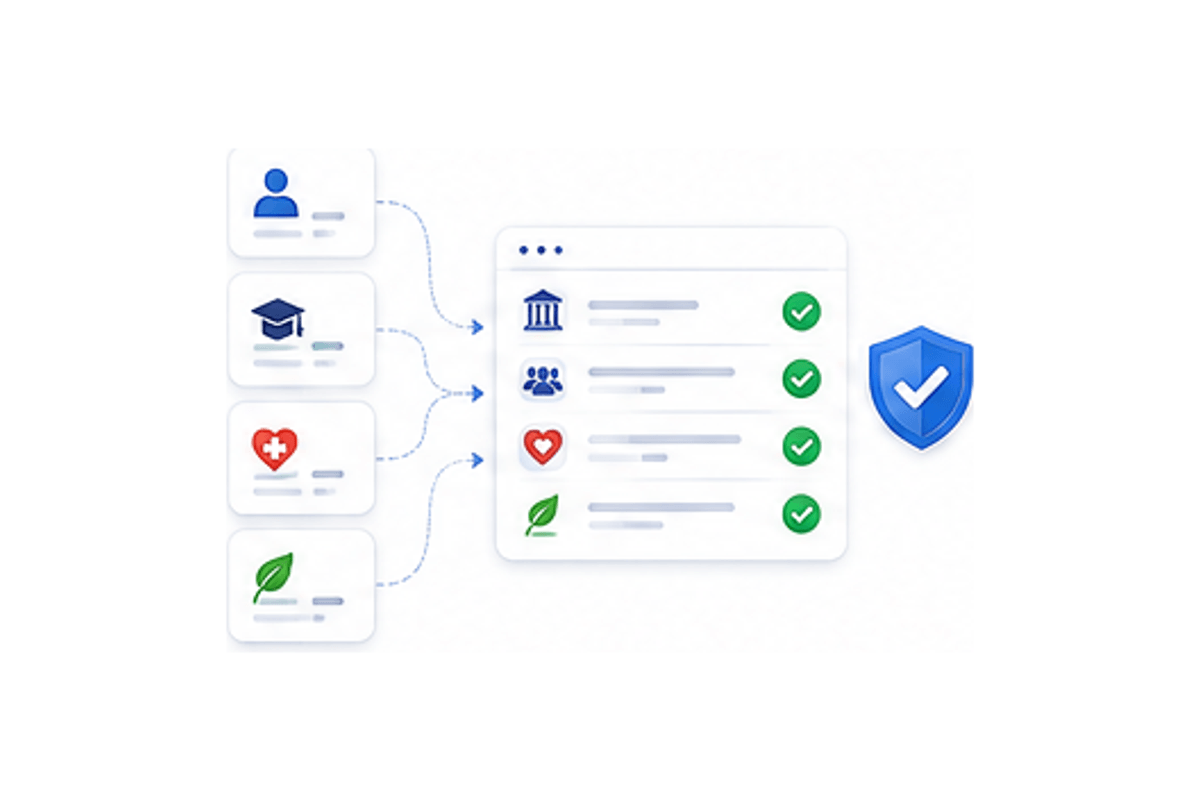
Manual Freight-News Monitoring Creates Operational Gaps
Logistics and supply-chain teams that rely on manual checks of freight-news pages often miss updates between reviews, leaving monitoring queues incomplete when coverage volume grows.
Hand-copied headlines and metadata produce inconsistent titles, authors, publish times, and categories across spreadsheets, which slows research and breaks downstream matching.
One-off scripts tend to fail when article layouts or category pages change. Without a managed schema, validation notes, and delivery rules, collection becomes brittle maintenance instead of a reliable feed.
What a Managed FreightWaves Scraper Includes
Engagements start with a requirements and source review so representative URLs, required fields, intended use, and refresh needs are clear before production work begins. Collection is limited to approved public or permissioned pages confirmed during scoping.
Agreed article fields are mapped into your schema, then cleaned and normalized with deduplication and validation rules that keep missing values visible. Where contracted, monitoring and maintenance cover layout changes that affect the scoped workflow. Structured delivery follows the formats and destinations confirmed for the use case.
Restricted products such as SONAR or other licensed datasets are not treated as public content and remain out of scope unless the customer has confirmed authorized access for the intended use. Broader managed programs may extend through Nenodata fully managed web scraping services and custom data pipelines when multi-source collection or destination routing is in scope.
FreightWaves vs other news sources
Use this page for FreightWaves logistics and freight news. Use Google News for general headline monitoring, or PR Newswire for wire releases.
| Source | Best for | Learn more |
|---|---|---|
| FreightWaves | Logistics news: headline, author, published time, category | This service |
| Google News | Query-based headlines, publishers, and dates across outlets | Google News scraper |
| PR Newswire | Official wire releases and corporate announcements | PR Newswire scraper |
Illustrative Article-Metadata Output
Review an illustrative JSON record and matching table row with title, author, published time, category, source URL, and collection timestamp.
Illustrative example.
This sample is not evidence of current field availability, rights, historical coverage, or existing implementation.
{
  "title": "Spot rates ease on Chicago–Dallas dry-van lane",
  "author": "Maya Ellison",
  "published_at": "2026-08-11T14:05:00Z",
  "category": "Spot rates",
  "source_url": "https://www.freightwaves.com/news/spot-rates-chicago-dallas-dry-van",
  "collected_at": "2026-08-12T15:10:22Z"
}| title | author | published_at | category | source_url | collected_at |
|---|---|---|---|---|---|
| Spot rates ease on Chicago–Dallas dry-van lane | Maya Ellison | 2026-08-11T14:05:00Z | Spot rates | https://www.freightwaves.com/news/spot-rates-chicago-dallas-dry-van | 2026-08-12T15:10:22Z |
Potential Article-Metadata Field Groups
Field groups below are illustrative candidates for scoping. Availability depends on the approved public or permissioned page structure, technical feasibility, and the schema confirmed for your engagement.
Article Identity
Potential title, headline, and related identity labels where allowed on approved pages and included in the agreed schema, subject to confirmation during sample review.
Publication Metadata
Illustrative author, published time, and related publication labels when displayed on the scoped source and requested for the engagement.
Topic and Category Metadata
Potential topic, category, or tag labels where present on approved pages—not assumed for every article and subject to confirmation.
Source and Collection Metadata
Source URLs, collection timestamps, and related provenance fields where allowed so downstream teams can review when a value was observed.
Approved Content References
Illustrative references to approved article or listing pages included in scope. Full-body content remains conditional and must be confirmed before production.
Delivery Options
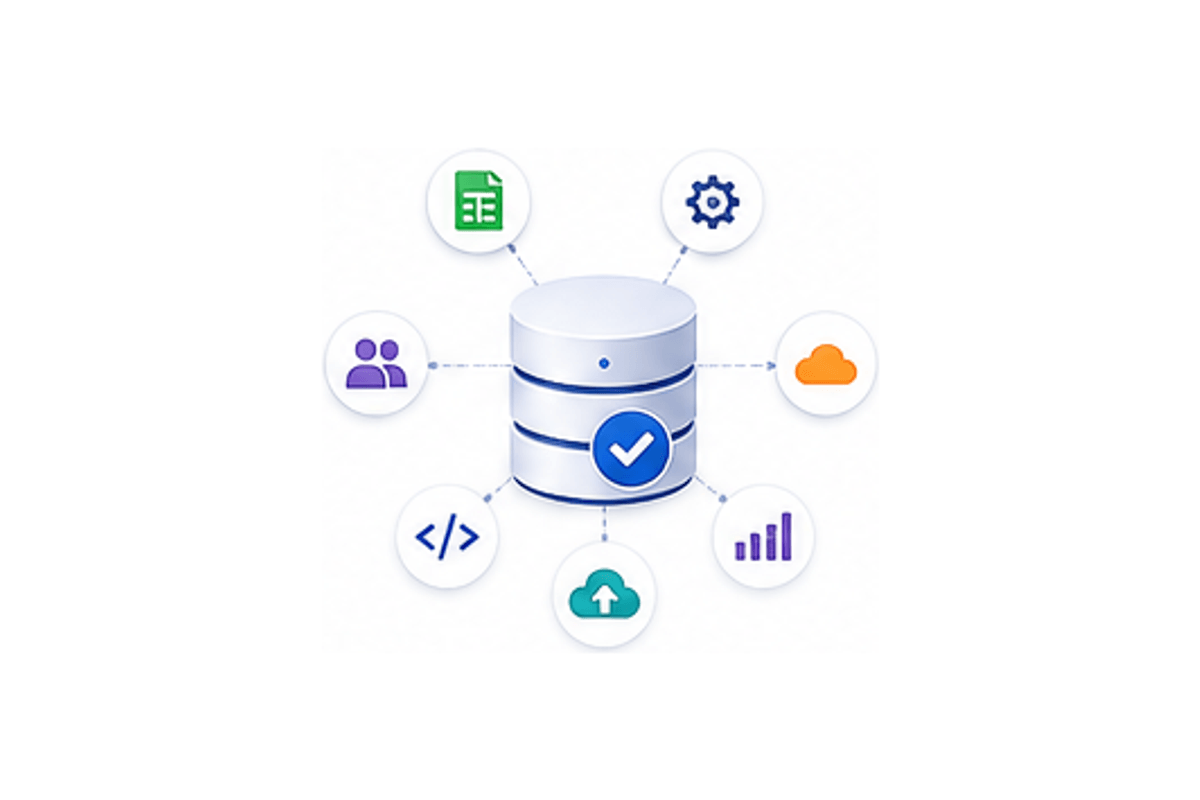
Potential CSV, Excel, JSON, API-ready structures, scheduled files, and database or warehouse destinations where technically feasible and confirmed during scoping.
Use Cases
Freight-Topic Monitoring
Track structured headlines and metadata for scoped freight topics instead of relying on repeated manual page checks.
Supply-Chain Disruption Monitoring
Assemble recurring article-metadata feeds that help operations teams review disruption-related coverage within an agreed schema.
Internal Research Datasets
Build reviewable research libraries with consistent title, author, category, and source-URL fields for analyst workflows.
Media-Monitoring Dashboards
Feed dashboards with normalized publication metadata so media-monitoring views stay aligned to your destination model.
Search and Knowledge-Base Ingestion
Deliver structured article references for search indexes or knowledge bases when ingestion fields and cadence are confirmed.
Trend and Category Analysis
Support internal trend reviews with category and publication fields that remain comparable across collection batches.
Alerts and Analyst Workflows
Route approved metadata into alert queues and analyst review steps when delivery destinations and exception handling are in scope.
Who This Service Is For
This service is for logistics, supply-chain, media-monitoring, research, and data or engineering teams that need structured article metadata from approved public or permissioned freight-news sources.
It fits organizations that can share representative URLs, required fields, intended use, and one-time or recurring delivery needs before production scale.
It is not positioned for unrestricted access to licensed products, affiliation claims, or buyers seeking legal advice about content reuse.
How the Managed Workflow Works
The delivery pattern aligns with how Nenodata works across managed freight-news data engagements.
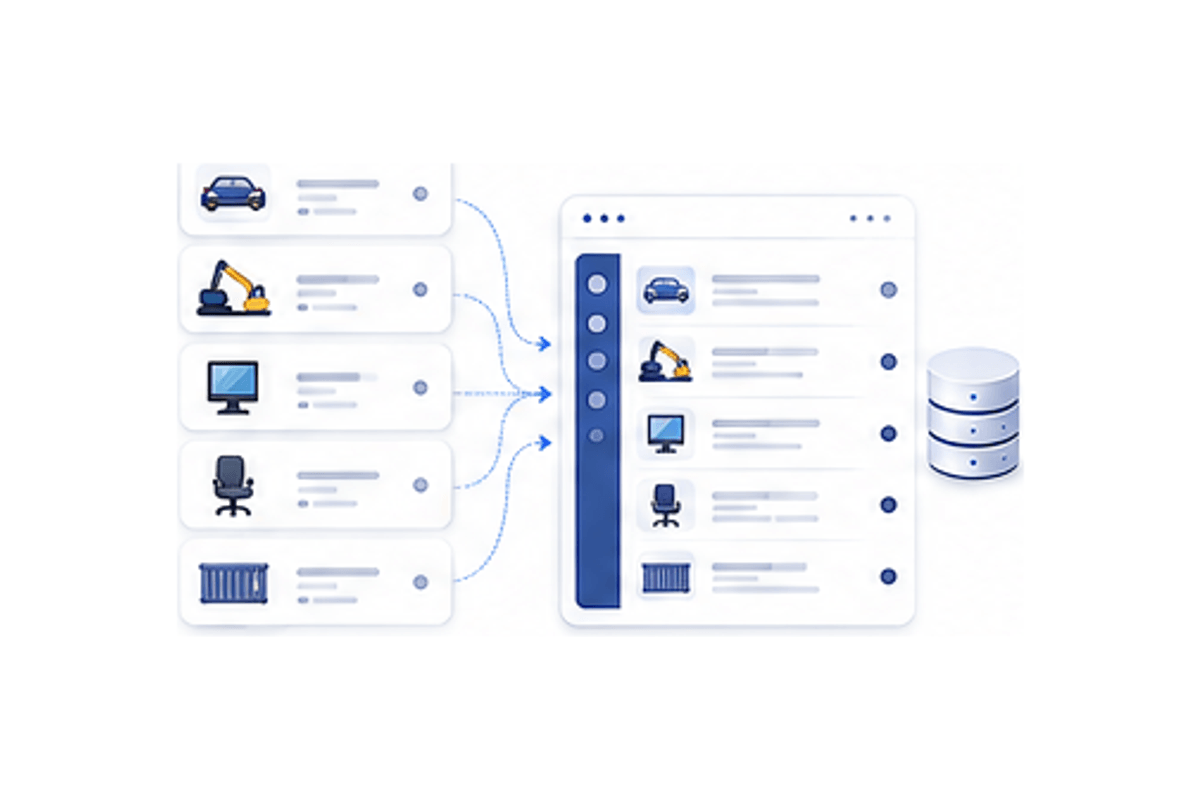
- Step 1
Connect — Share Requirements
Share representative article or category URLs, required fields, intended use, refresh need, and preferred delivery destination.
- Step 2
Extract — Review and Collect Approved Sources
Nenodata reviews source feasibility, confirms approved public or permissioned pages, and prepares a representative sample before broader collection.
- Step 3
Transform — Clean and Validate
Approved records are cleaned, normalized, deduplicated, and validated so missing values and exceptions remain visible in the agreed schema.
- Step 4
Deliver — Send Data to the Agreed Workflow
Validated outputs are delivered once or on a recurring schedule through formats and destinations confirmed during scoping, with maintenance where included.
Why Choose Nenodata
Scope Is Reviewed Before Commitments
Representative sources, fields, cadence, and destinations are reviewed through a sample before broader production commitments.
The Schema Follows Your Systems
Field names, null handling, and destination mapping are planned around the systems and workflows that will consume the data.
Quality Rules Are Defined Up Front
Validation labels and exception handling are agreed during scoping so incomplete public fields stay reviewable.
Source Changes Can Be Included in Scope
When maintenance is contracted, layout or category-page changes that affect agreed collection can be handled within the managed workflow.
Restricted Data Is Not Treated as Public Content
SONAR and other licensed or restricted materials remain out of scope unless authorized access is confirmed for the intended use.
Delivery Is Planned With the Use Case
Formats, destinations, and schedules are confirmed against monitoring, research, or ingestion needs rather than assumed as defaults.
Integrations and Delivery
Delivery destinations remain conditional on technical feasibility and are confirmed during scoping. Options may include files, API-oriented structures, databases, warehouses, and scheduled feeds where supported.
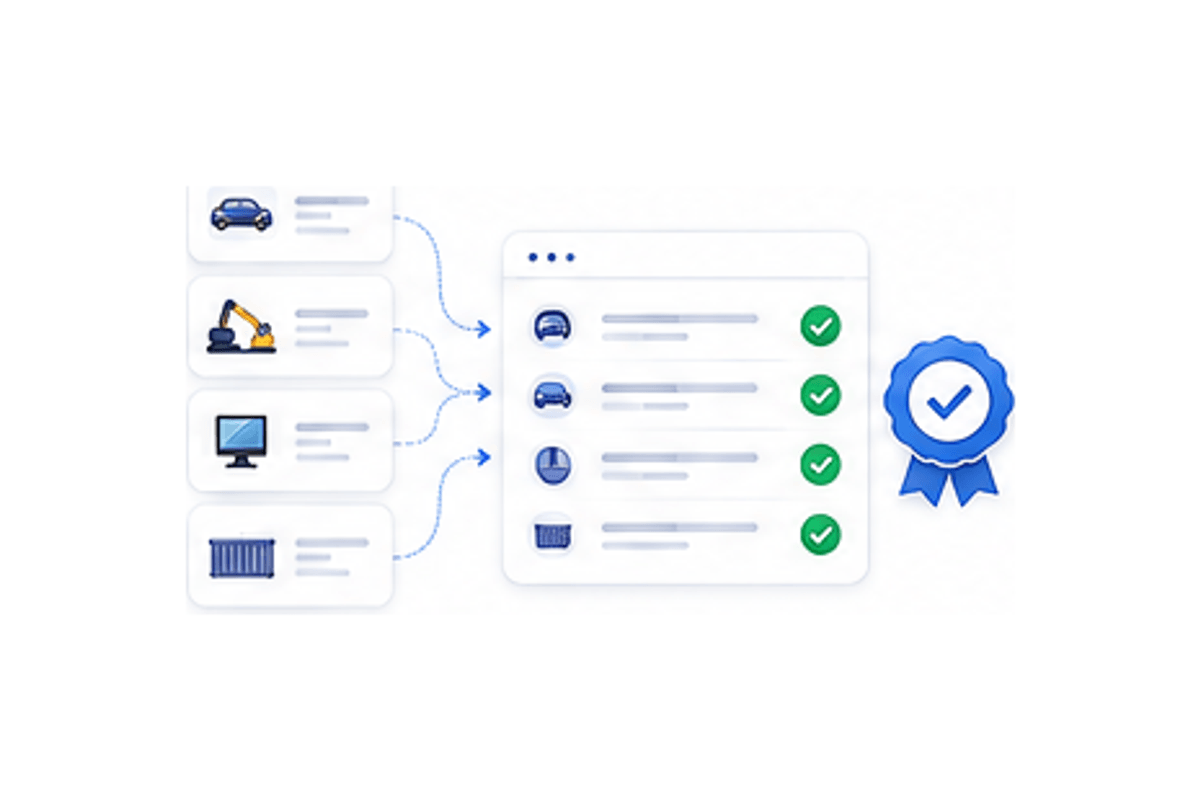
Recurring transformation and destination routing may extend through Nenodata custom data pipelines. Programmatic packaging may align with Nenodata web scraping API solutions when API-oriented delivery is in scope. For broader news-extraction context, review Nenodata's news-scraping guide.
Related: travel and hospitality data scraping · OTA data scraping · Google News scraper · Hacker News scraper
Frequently Asked Questions
Build an Approved Freight-News Data Workflow
Review Nenodata plans and custom pricing, then contact Nenodata with representative URLs, required fields, intended use, cadence, and preferred delivery destination so the next step can be scoped.
Nenodata is an independent managed-service provider and is not affiliated with, endorsed by, sponsored by, or partnered with FreightWaves.