Hacker News Scraper for Structured Tech Intelligence
Nenodata operates a managed Hacker News Scraper that turns agreed public stories and discussion signals into structured records for monitoring, research, and custom data workflows, subject to source feasibility.
- Structured records for Hacker News monitoring
- Custom schemas mapped to your workflow
- Managed validation, maintenance, and delivery
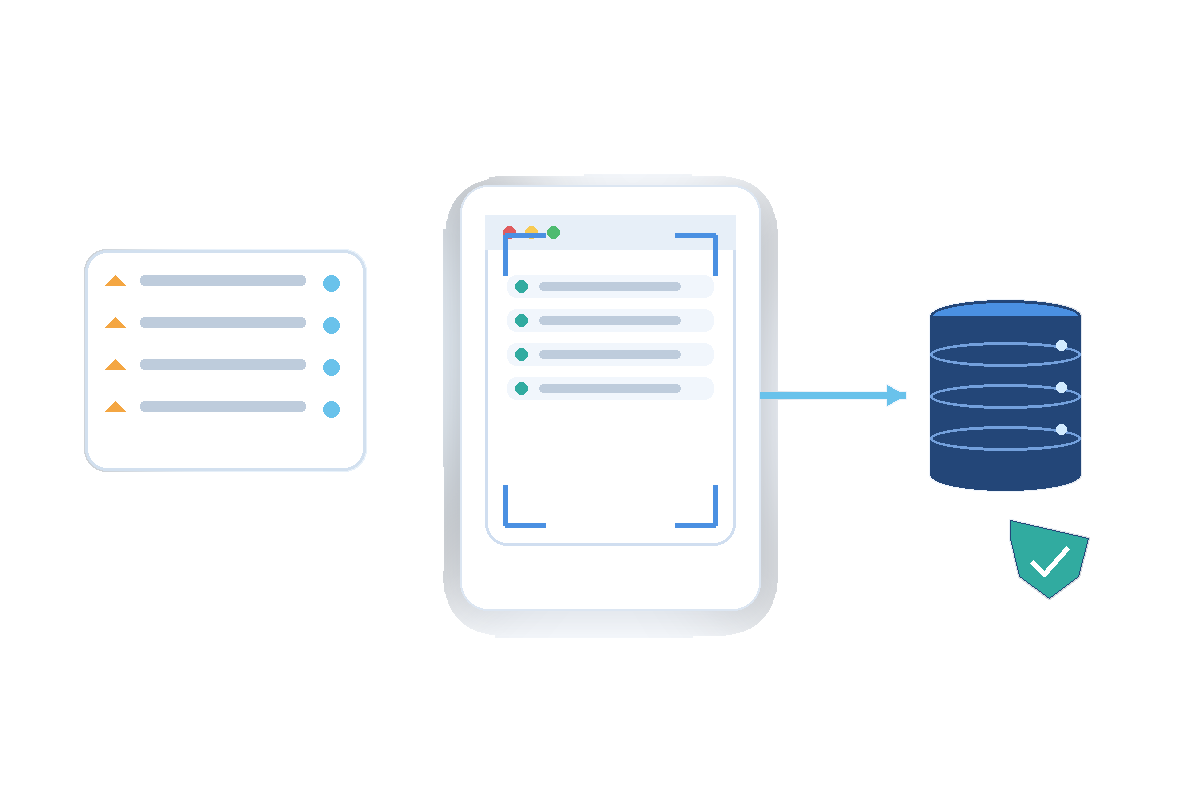
Manual review breaks down when monitoring becomes recurring
Product, developer-relations, and research teams often track public technology discussions through repeated manual checks, browser bookmarks, and spreadsheet copies that fall behind when rankings, scores, and thread context change.
Fragile scripts struggle with pagination, listing relationships, and missing values that downstream monitoring systems treat as complete observations. Teams need stable field definitions, collection timestamps, and visible exception handling.
Broader news and public-content programs may extend through Nenodata web scraping news guidance when multi-source monitoring is in scope.
What the Hacker News Scraper Provides
Nenodata scopes managed collection around agreed publicly visible story listings, discussion pages, search inputs, required fields, validation rules, refresh needs, and delivery destinations before production work begins.
Depending on approved scope and source method, outputs may include story identity, titles, authors, scores, comment counts, ranking observations, timestamps, comment identifiers, parent relationships, query metadata, and validation notes when those elements are included in the agreed schema.
Coverage, record types, and delivery formats depend on technical feasibility and responsible-source review. Broader managed programs may extend through Nenodata fully managed web scraping services. Source sets, fields, cadence, and destinations are agreed during scoping.
Hacker News vs other news sources
Use this page for HN stories, scores, and comment threads. Use Google News for query-based headlines, or FreightWaves for logistics news.
| Source | Best for | Learn more |
|---|---|---|
| Hacker News | Story title, author, score, comment count, and rank | This service |
| Google News | Query-based headlines, publishers, and dates across outlets | Google News scraper |
| FreightWaves | Logistics news: headline, author, published time, category | FreightWaves scraper |
Representative Sample Output
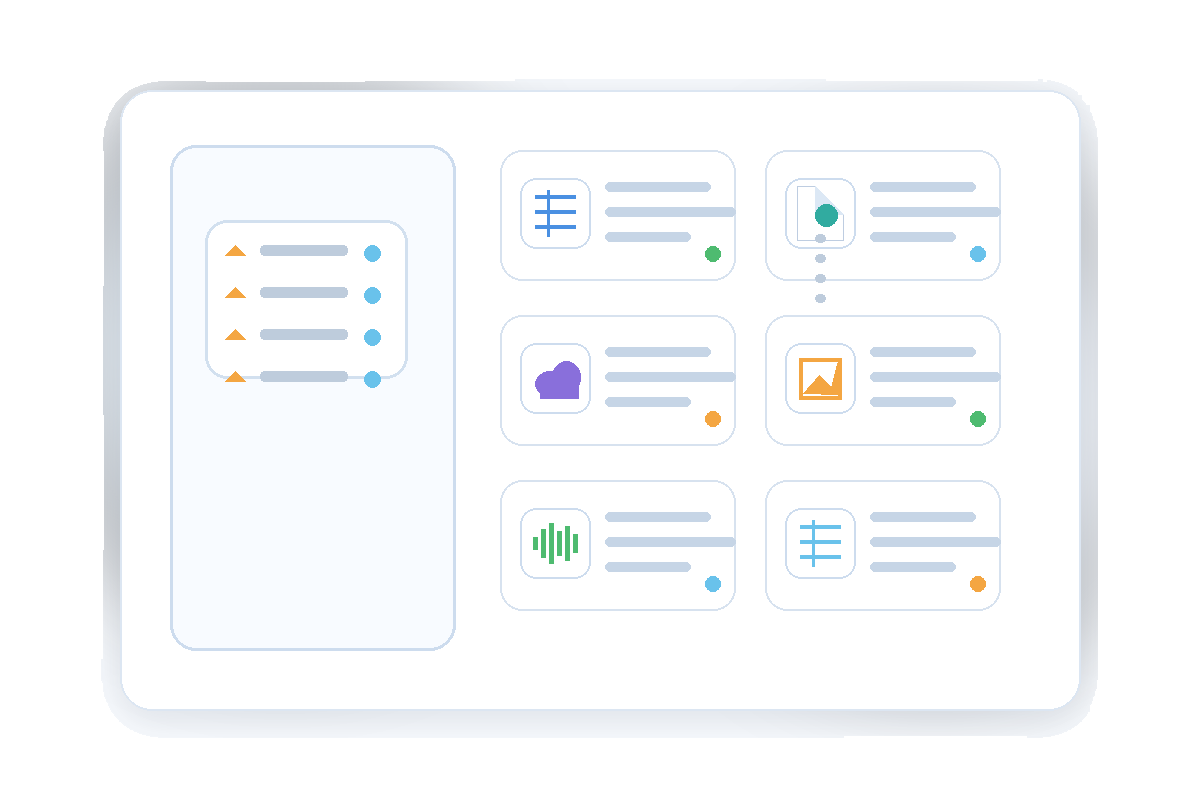
Review illustrative story and comment objects with shared identifiers, timestamps, and thread relationships.
Illustrative example
{
  "story_id": "44921801",
  "title": "Show HN: A small tool for structured HN monitoring",
  "source_url": "https://news.ycombinator.com/item?id=44921801",
  "author": "maya_ellison",
  "score": 142,
  "comment_count": 38,
  "rank_observed": 12,
  "story_type": "story",
  "collected_at": "2026-08-12T15:40:11Z",
  "monitoring_rule_id": "hn-frontpage-tech",
  "validation_status": "passed"
}
{
"comment_id": "44922118",
"story_id": "44921801",
"parent_id": null,
"author": "cedar_peak",
"body_excerpt": "We keep score and comment_count in the same row so rank changes stay auditable.",
"collected_at": "2026-08-12T15:40:11Z",
"field_availability": {
"nested_replies": "conditional"
}
}Coverage and Output Options
Record categories and delivery destinations depend on approved public page types, source method, and agreed scope. Status labels describe feasibility during scoping—not guaranteed capabilities.
Record coverage
| Record category | Status | Notes |
|---|---|---|
| Story listings (top, new, best) | Conditional | Included when publicly visible and approved during scoping |
| Ask HN / Show HN threads | Conditional | Subject to page type approval and intended use review |
| Comment threads | Conditional | Nested discussion when approved and technically feasible |
| Public user records | Conditional | Only when appropriate, publicly shown, and scoped |
| Jobs listings | Conditional | When included in the agreed page set |
| Login-protected content | Unsupported | Not offered on this service page |
| Private votes or account-only data | Unsupported | Not offered on this service page |
Potential Data Fields and Outputs
Field groups depend on publicly visible page content, agreed schema, and technical feasibility.
Story identity
Story identifiers, titles, story types, and related public labels where displayed on agreed pages.
Source and discussion links
Source URLs, discussion links, and provenance references retained for audit review.
Author and timing
Public author handles where shown, posted times, and collection timestamps when included in scope.
Engagement indicators
Scores, comment counts, ranking observations, and related public engagement signals where displayed.
Comment and thread relationships
Comment identifiers, parent identifiers, and nested thread context when comment collection is approved.
Query and monitoring metadata
Search queries, monitoring rules, filters, and observation labels agreed during scoping.
Delivery options
CSV, Excel, JSON, API-ready records, webhooks, databases, warehouses, alerts, and dashboard feeds when scoped.
Managed-feed explanation
Validation status, field-availability notes, and exception handling so incomplete records remain interpretable.
Delivery destinations
| Destination | Status | Notes |
|---|---|---|
| CSV files | Conditional | When agreed during scoping |
| Excel files | Conditional | When agreed during scoping |
| JSON payloads | Conditional | Flat or nested structures as scoped |
| API-ready records | Conditional | Record shape for integration—not a hosted API promise |
| Webhooks | Conditional | When destination requirements are confirmed |
| Database delivery | Conditional | When technically feasible and scoped |
| Warehouse delivery | Conditional | When destination mapping is agreed |
| Alerts | Conditional | When monitoring rules and channels are scoped |
| Dashboard feeds | Conditional | When destination and refresh model are agreed |
Use Cases
Brand and product mention monitoring
Track agreed public story and comment observations for brand or product mentions with collection timestamps for later review.
Show HN tracking
Monitor Show HN threads where that page type is approved and included in the scoped collection set.
Developer-relations feedback monitoring
Collect structured discussion signals that product and developer-relations teams review on an agreed cadence.
Tech trend data feed
Assemble structured story observations for internal trend review without treating missing fields as complete coverage.
Competitive and market-intelligence feeds
Support competitive monitoring workflows with scoped public records through Nenodata market intelligence data programs when enrichment boundaries and intended use are agreed during scoping.
PR and issue monitoring
Review public discussion signals relevant to PR or issue-response workflows within approved source boundaries.
Investment and startup research
Support research libraries with provenance-backed public story and discussion fields—not investment recommendations.
Who This Service Is For
This service fits product, developer-relations, research, data-engineering, and monitoring teams that need structured public technology-community observations with sample-first scoping and visible exception handling.
It supports organizations that prefer managed collection, normalization, and delivery over maintaining brittle internal scripts across changing listing layouts and thread relationships.
Broader extraction programs may also review Nenodata data extraction services. This page does not offer private, login-protected, or account-only information, guaranteed sentiment analysis, or complete historical coverage.
How the Managed Workflow Works
The delivery pattern aligns with how Nenodata works across managed public-data engagements.
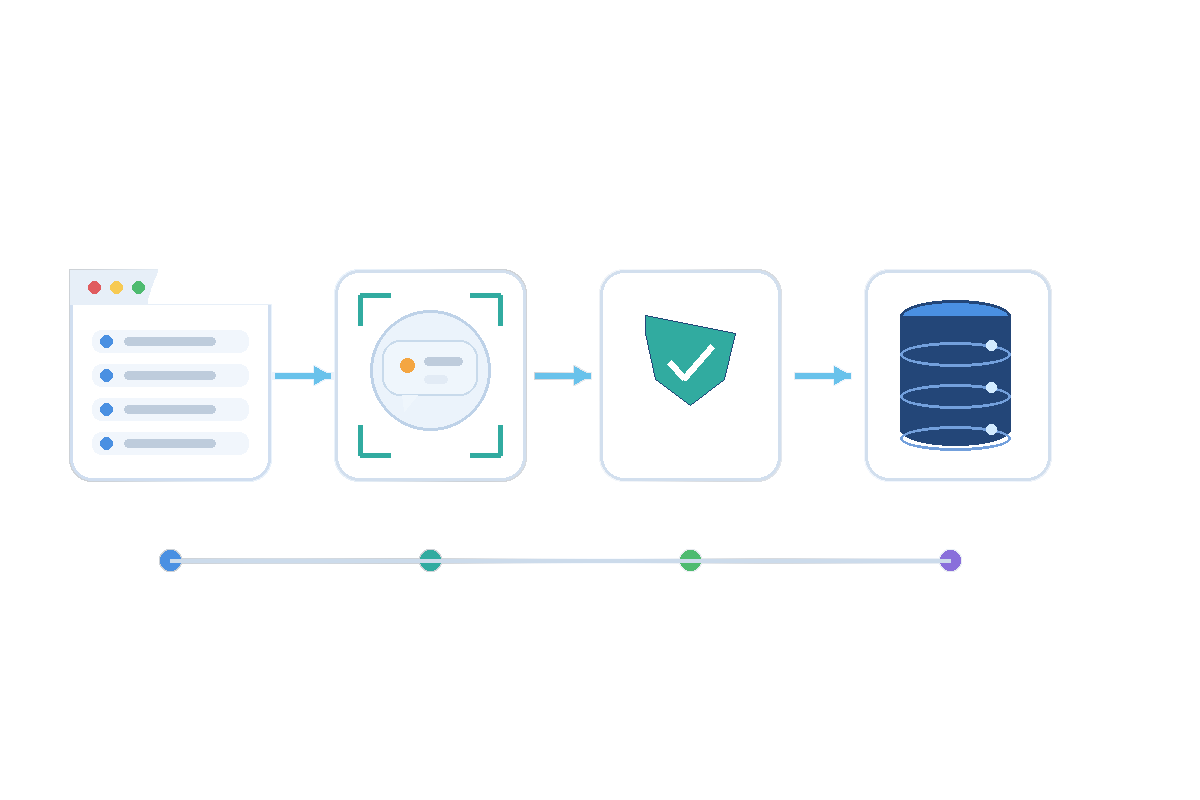
- Step 1
Share your requirements
Share representative URLs or filters, required fields, query context, intended use, refresh need, and delivery destination.
- Step 2
Review and collect approved records
Nenodata reviews public-page coverage and field availability, configures collection against agreed targets, and prepares a representative sample.
- Step 3
Structure, clean, and validate
Records are normalized and validated so missing values, thread relationships, and collection timestamps remain visible rather than silently overwritten.
- Step 4
Deliver and maintain the feed
Structured outputs are delivered once or on a recurring schedule through formats and destinations agreed during scoping, with maintenance where included.
Why Teams Choose Nenodata
Managed operational ownership
Nenodata owns agreed collection configuration and maintenance rather than shifting every source change to internal engineering.
Requirements-led coverage
Requested sections, record types, and fields are scoped through representative review before production scale.
Schema mapped to your systems
Field names, relationship rules, and destination mapping are planned around your workflow rather than forcing downstream reshaping.
Feasibility before commitment
Source method, page types, and refresh models are reviewed during scoping so unsupported access is not promised on this page.
Validation and exception visibility
Field-availability notes, validation status, and exception handling stay with each record when values are missing or ambiguous.
Delivery beyond extraction
Outputs can be scoped for files, API-ready structures, webhooks, databases, warehouses, alerts, and dashboard handoffs when destinations are agreed.
Integrations and Delivery
All formats and destinations remain conditional until confirmed during scoping. Engagements may include files, API-ready records, webhooks, databases, warehouses, and workflow handoffs through Nenodata custom data pipelines and programmatic delivery patterns through Nenodata web scraping API solutions when record shape and destination requirements are agreed.
Related: Google News scraper · FreightWaves scraper · enterprise brand monitoring
Frequently Asked Questions
Start With a Source and Field Review
Share representative URLs or filters, required fields, query context, intended use, one-time or recurring need, and preferred output destination so Nenodata can scope the next step.
Include representative sources, required fields, cadence, destination, and intended use when you contact Nenodata or review pricing before confirming scope.