GovDeals Government Auction Scraper
Nenodata's GovDeals Government Auction Scraper turns agreed publicly visible auction listings into structured records with custom field mapping. Start with a representative sample, then expand to one-time or recurring delivery once the schema fits your workflow.
- Sample-first scoping
- Custom field mapping
- One-time or recurring delivery
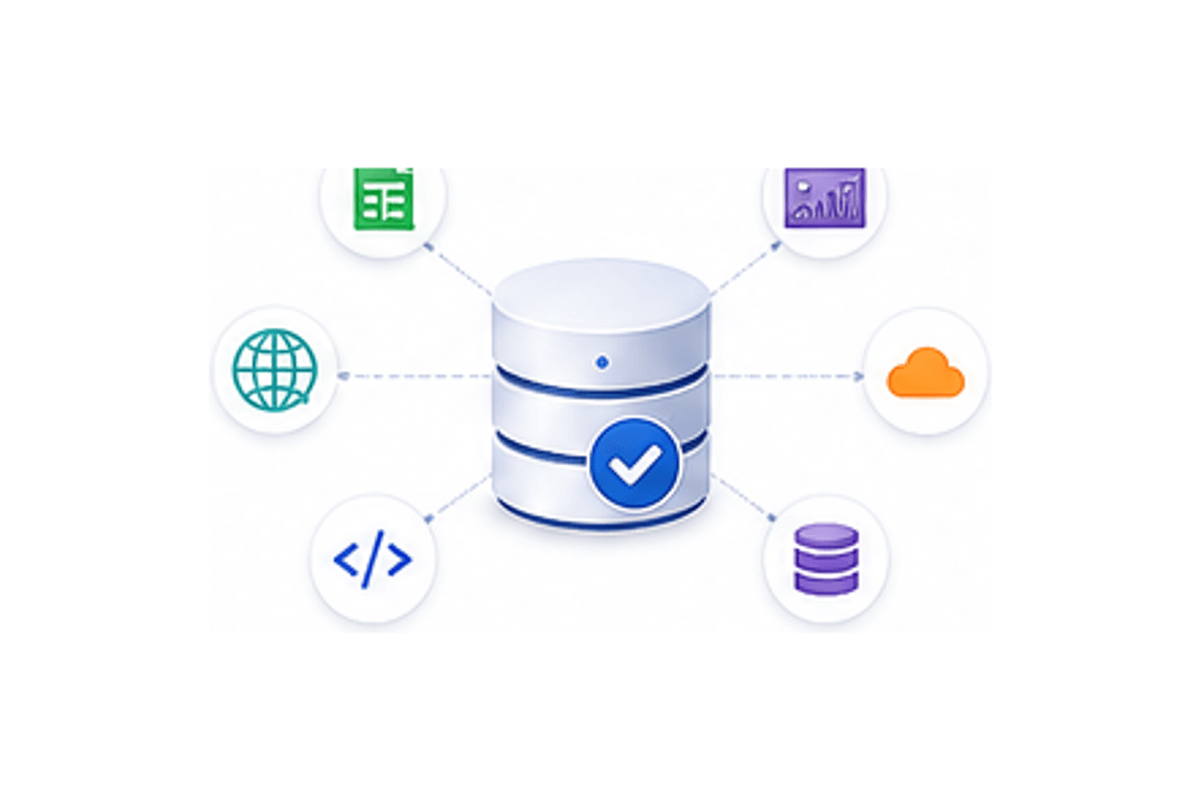
The Cost of Manually Tracking Changing Auction Listings
Bids, closing times, and listing status can change between checks. Manual monitoring makes it easy to miss a closing window or work from an outdated snapshot when comparing opportunities across categories.
Spreadsheets rebuilt by hand across locations and asset types create rework. Columns drift, duplicate listings appear, and teams spend more time reconciling rows than reviewing the underlying public auction information.
One-off scripts often break when page layouts or filters change. A managed workflow keeps agreed fields, validation notes, and delivery rules visible so collection stays maintainable instead of becoming a silent maintenance burden.
What the GovDeals Government Auction Scraper Provides
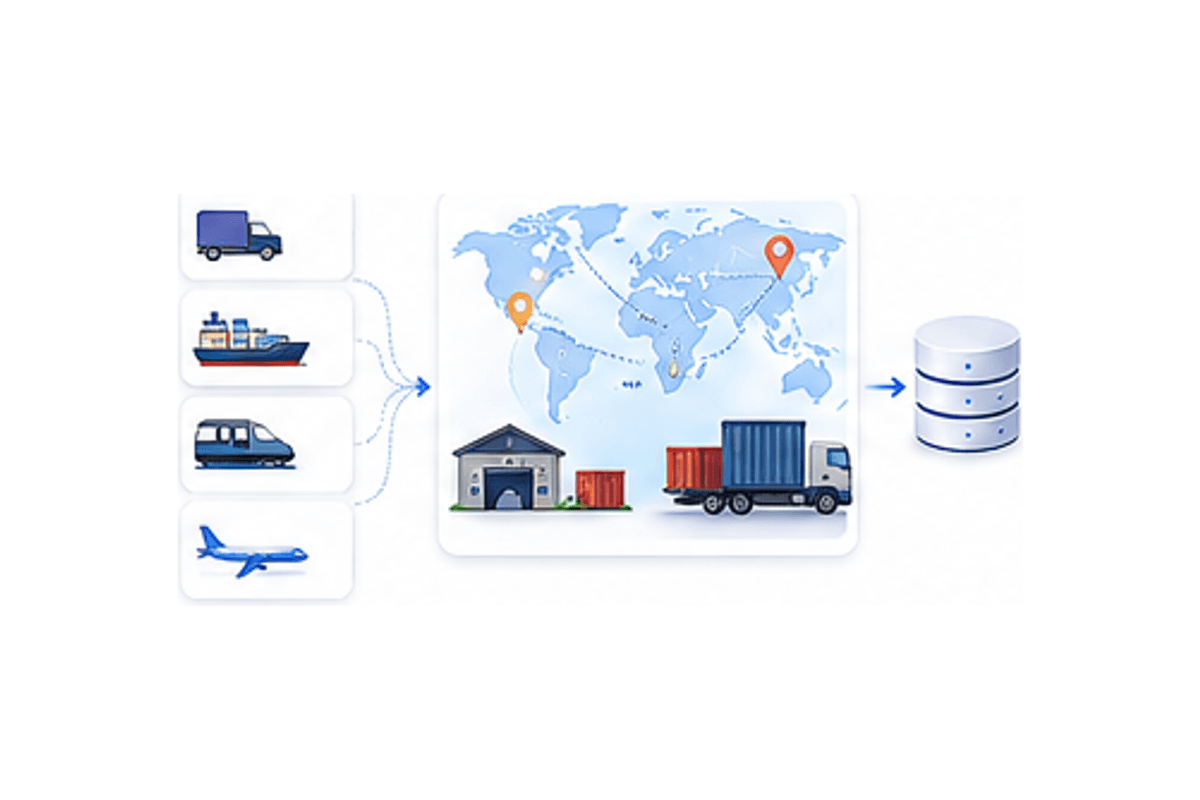
Nenodata scopes managed collection around agreed publicly visible government auction listings when those sources are in scope. Engagements start with representative filters, required fields, cadence, and intended use before broader production begins.
Collection is limited to public listings and fields included in the agreed schema. Nenodata is not affiliated with GovDeals or Liquidity Services, and this page does not claim official partnership, unrestricted coverage, or access beyond what scoping confirms as publicly visible and appropriate for the intended use.
Agreed listing identity, bidding signals, asset attributes, location context, timing, source URLs, and validation status are mapped into a schema matched to your destination. Broader managed programs may extend through Nenodata fully managed web scraping services when multi-source public-data collection is in scope. Source sets, fields, cadence, and destinations are confirmed during scoping and sample review.
Illustrative Auction Record
Review an illustrative table and JSON record with listing identity, bidding placeholders, location, category, seller agency, source URL, collection timestamp, and validation status before broader production begins.
Illustrative example.
| listing_id | title | current_bid | closing_time | location | category | seller_agency | source_url | collected_at | validation_status |
|---|---|---|---|---|---|---|---|---|---|
| EXAMPLE-GD-20481 | EXAMPLE Surplus Utility Vehicle | null | YYYY-MM-DDTHH:mm:ssZ | EXAMPLE City, ST | EXAMPLE Vehicles | EXAMPLE Agency | https://example-public-auction.example/listing/EXAMPLE-GD-20481 | YYYY-MM-DDTHH:mm:ssZ | pass_with_exceptions |
| EXAMPLE-GD-20512 | EXAMPLE Heavy Equipment Lot | null | YYYY-MM-DDTHH:mm:ssZ | EXAMPLE County, ST | EXAMPLE Equipment | EXAMPLE Municipality | https://example-public-auction.example/listing/EXAMPLE-GD-20512 | YYYY-MM-DDTHH:mm:ssZ | pass_with_exceptions |
{
  "listing_id": "EXAMPLE-GD-20481",
  "title": "EXAMPLE Surplus Utility Vehicle",
  "current_bid": null,
  "closing_time": "YYYY-MM-DDTHH:mm:ssZ",
  "location": "EXAMPLE City, ST",
  "category": "EXAMPLE Vehicles",
  "seller_agency": "EXAMPLE Agency",
  "source_url": "https://example-public-auction.example/listing/EXAMPLE-GD-20481",
  "collected_at": "YYYY-MM-DDTHH:mm:ssZ",
  "validation_status": "pass_with_exceptions"
}
Fields shown here are illustrative and conditional. Blank or unavailable values indicate that a field was not present on the scoped public listing or was outside the agreed schema. They are not treated as collection failures unless validation rules mark them as errors.
Auction data fields and delivery outputs
Field groups below are candidates for scoping. Availability depends on what the public listing displays and on the agreed schema.
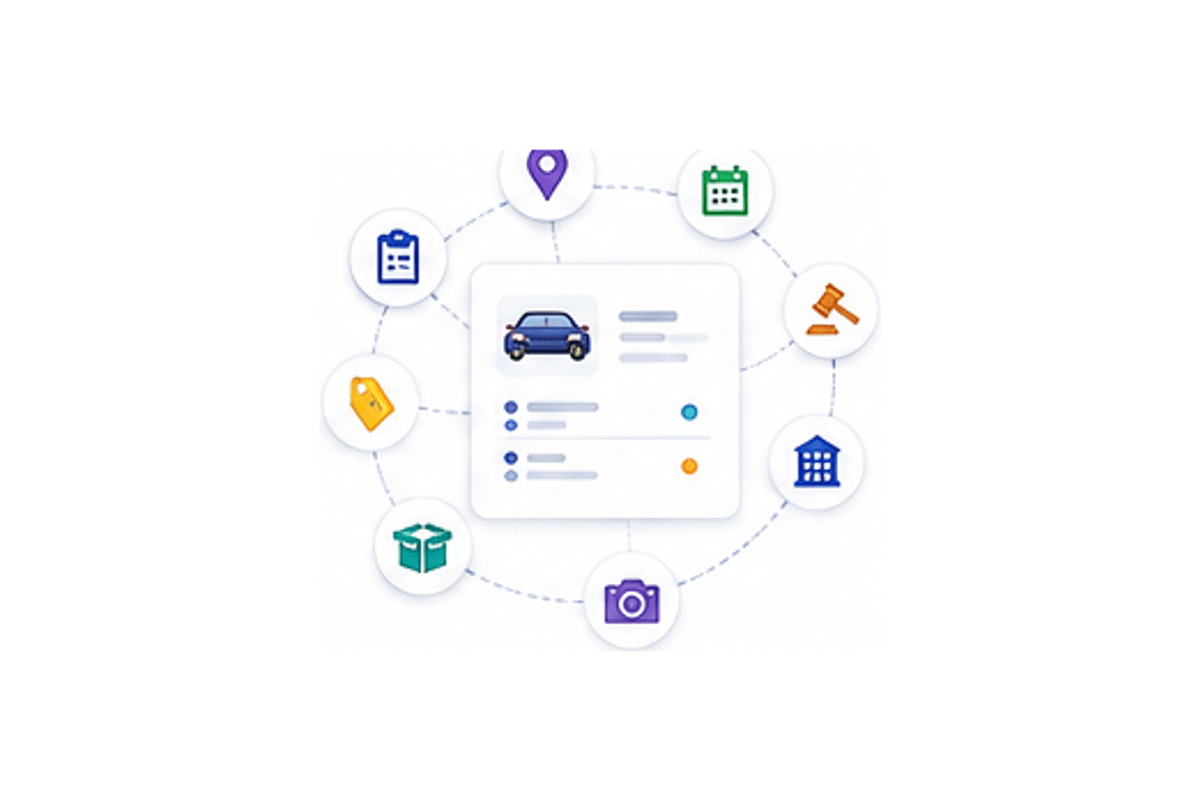
Listing Identity
Listing identifiers, titles, and related public labels when present on the scoped listing and included in the engagement.
Auction and Bidding Information
Current bid, bid-related labels, and auction status signals when displayed and requested—not assumed for every record.
Asset Attributes
Category, condition, quantity, and other asset descriptors only when publicly visible and mapped into the agreed schema.
Seller or Agency Context
Seller or agency names and related public context when shown on the listing and confirmed during scoping.
Location
City, state, region, or pickup location labels when present and included in scope; granularity varies by listing.
Timing and Status
Closing times, start labels, and status fields when available, with collection timestamps retained for review.
Images and Source References
Image URLs and source listing URLs when publicly accessible and requested, so downstream teams can verify observations.
Delivery Formats and Destinations
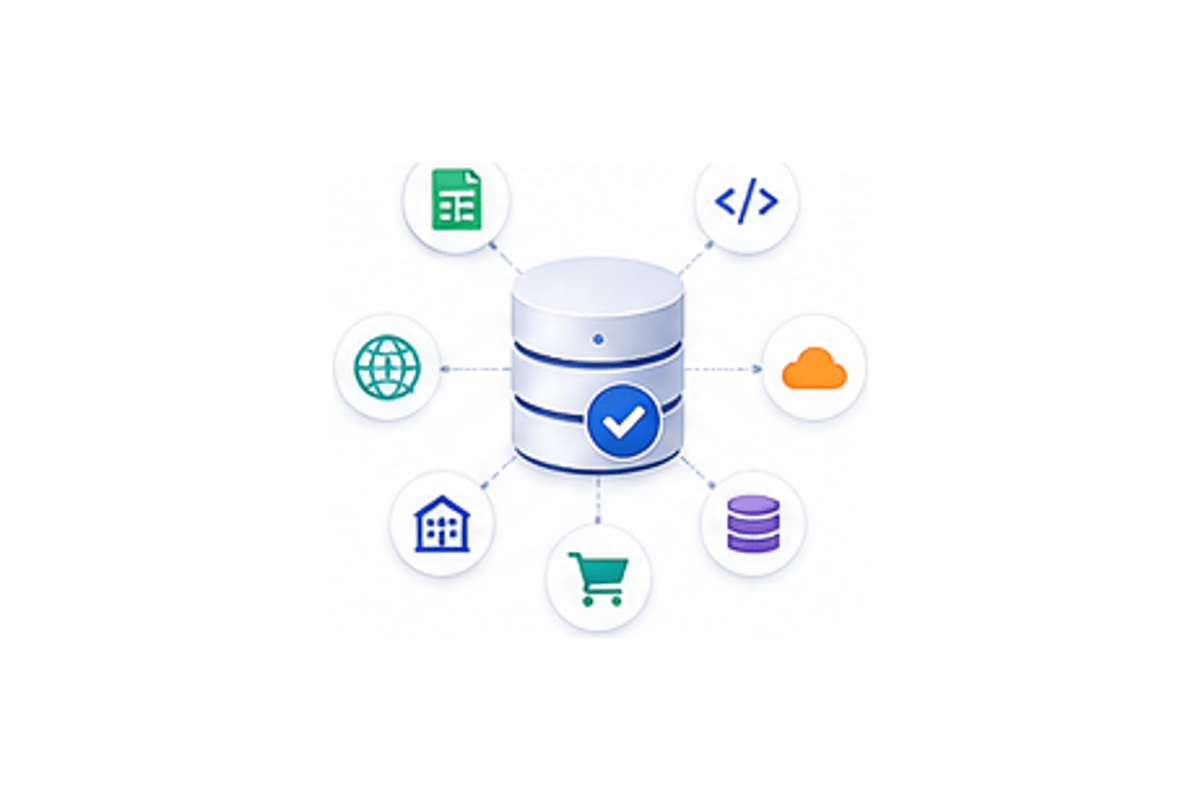
CSV, Excel, JSON, API-ready structures, webhooks, databases, CRM, and warehouse destinations where technically feasible and confirmed.
Use cases
Surplus Vehicle Sourcing
Dealers and fleet buyers tracking public surplus vehicles need structured listing and closing-time fields instead of manual bookmark checks across categories.
Heavy-Equipment Opportunity Monitoring
Equipment buyers monitoring public heavy-equipment lots benefit from agreed asset attributes, location context, and status fields refreshed on a defined cadence.
Auction Aggregation
Aggregators combining government auction observations into internal catalogs need consistent identity, category, and source-URL columns for downstream matching.
Bid and Closing-Time Monitoring
Teams watching bid movement and closing windows need recurring extracts with timing and bidding placeholders rather than ad-hoc screenshots.
Government Asset Price Research
Research teams studying public surplus pricing can review structured bid and category fields when those values appear on scoped listings.
Regional Supply Analysis
Regional planners comparing supply across locations use structured location and category fields to group public auction observations for internal analysis.
Internal Procurement Intelligence
Procurement and operations teams reviewing public surplus options need reviewable records with validation status and source references for internal workflows.
Historical Snapshot Datasets
Historical snapshot datasets may be discussed during scoping but are not confirmed until source feasibility, retention needs, and field availability are reviewed for the engagement.
Who This Service Is For
This service is for dealers, equipment buyers, auction aggregators, and procurement or research teams that need structured public government auction listings matched to agreed fields and delivery destinations.
It fits organizations that can define categories, locations, required fields, intended use, and one-time or recurring delivery needs before production scale.
It is not positioned for unrestricted marketplace scraping, official affiliation claims, or buyers seeking legal advice about auction participation or redistribution.
How the Managed Collection Process Works
The delivery pattern aligns with how Nenodata works across managed public auction-data engagements.
- Step 1
Share Your Requirements
Provide representative listings or filters, required fields, categories, locations, intended use, refresh need, and preferred delivery destination.
- Step 2
Review and Configure Collection
Nenodata reviews source feasibility, maps the agreed schema, and prepares a representative sample for approval before broader collection begins.
- Step 3
Clean and Validate
Approved listings are collected and cleaned into the agreed schema with validation rules that keep missing values and exceptions visible.
- Step 4
Deliver the Data
Validated outputs are delivered once or on a recurring schedule through formats and destinations confirmed during scoping, with maintenance where included.
Why choose Nenodata
Requirements-Led Scope
Categories, locations, fields, cadence, and destinations are planned around the systems and decisions that will consume the data.
Sample-First Approval
Representative listings and field mappings are reviewed through a sample before broader production commitments.
Defined Validation Rules
Validation labels and exception handling are agreed during scoping so incomplete public fields remain reviewable rather than silently filled.
Visible Collection Context
Source URLs, collection timestamps, and validation status stay with records so teams can verify observations against the public listing.
Managed Operational Ownership
When included in scope, Nenodata maintains agreed collection, validation, and delivery handling rather than shifting every source change to internal engineering.
Responsible Source Review
Public visibility, intended use, and field boundaries are reviewed during scoping so collection stays within the agreed responsible-use envelope.
Delivery and Workflow Integration
Delivery formats and destinations are agreed during scoping. Options remain conditional on technical feasibility and are not presented as automatically available for every engagement.
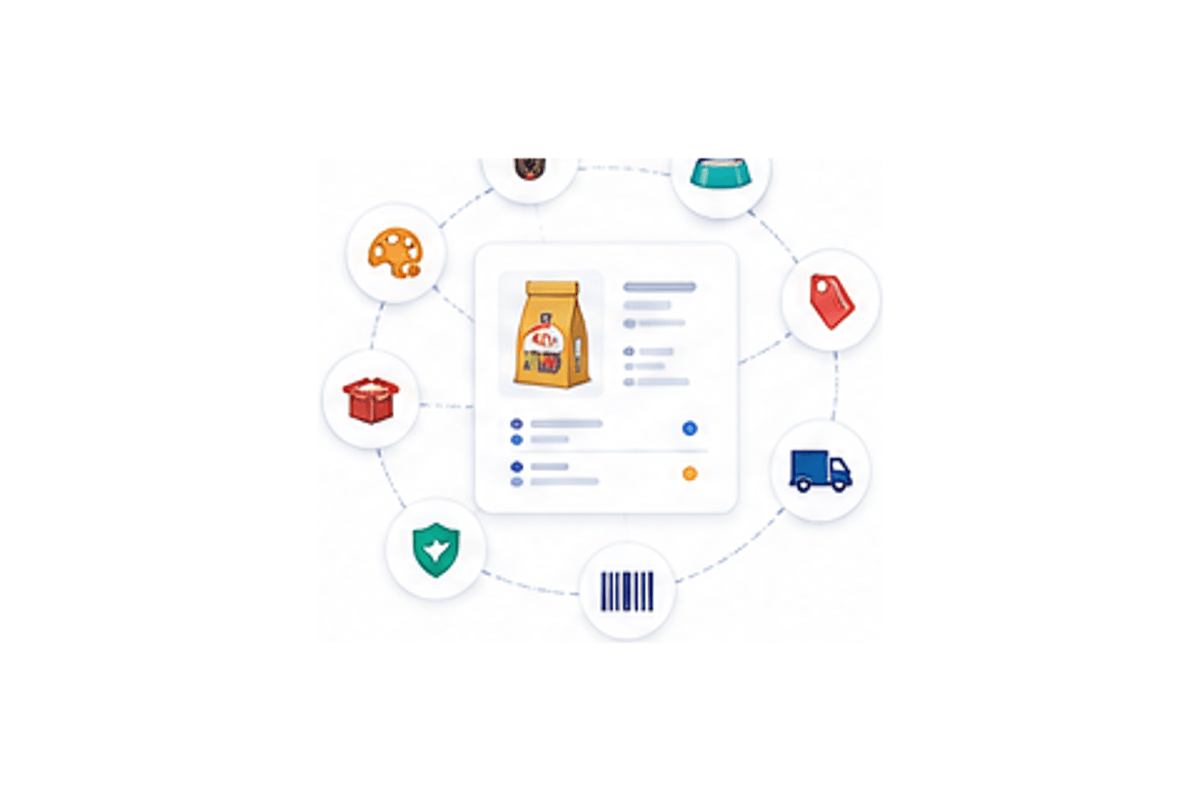
- CSV or Excel where confirmed
- JSON or API-ready structures where confirmed
- Webhook delivery where confirmed
- Database or CRM destinations where confirmed
- Warehouse delivery where confirmed
Recurring transformation and destination routing may extend through Nenodata custom data pipelines. Related monitoring work may align with Nenodata price intelligence solutions. Review plans and custom pricing before confirming scope. Named connectors are not promised without destination confirmation.
Related: Copart public search scraper · Bring a Trailer auctions scraper · duPont Registry scraper
Frequently Asked Questions
Request a Representative Data Sample
Share representative listings or filters, required fields, categories, locations, intended use, one-time or recurring need, and preferred output destination so Nenodata can scope the next step.
Include example listings, field requirements, cadence, destination, and intended use when you contact Nenodata through the contact flow.