HUFT Catalog Scraper for INR Pet SKU & Pack Data
Nenodata scopes a Heads Up For Tails Catalog Scraper for sample-first collection of product, price, variant, availability, and promotion data from approved public pages, then delivers structured records in agreed formats.
- Sample-first source scoping
- Variant and promotion context
- Structured delivery in agreed formats
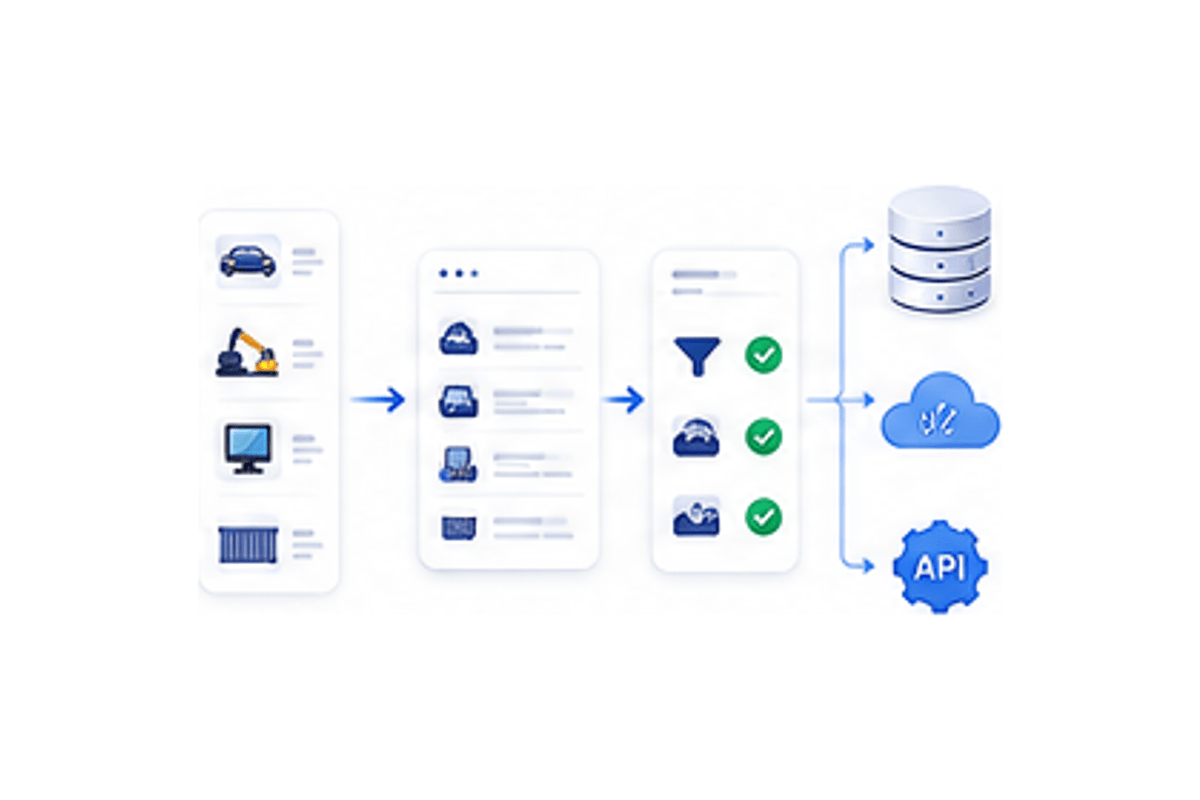
The HUFT Catalog Problem
Pet-product catalogs often expose the same parent item across pack sizes and variants. Manual checks miss which list or promo price belongs to which pack, so assortment and pricing reviews start from incomplete or mismatched rows.
Promotions and availability drift between visits. A discount label or stock signal copied in the morning may not match the public listing when merchandising or intelligence teams review it later.
One-off scripts break when listing layouts or variant controls change. A managed workflow keeps agreed fields, validation notes, and delivery rules visible so collection stays maintainable instead of becoming a silent engineering burden.
What the Heads Up For Tails Catalog Scraper Provides
Nenodata scopes managed collection around agreed publicly visible Heads Up For Tails catalog and product pages when those sources are in scope. Engagements start with representative URLs, required fields, cadence, and intended use before broader production begins.
Collection is limited to approved public pages and fields included in the agreed schema. Login-protected, account-dependent, checkout, or otherwise restricted information remains out of scope. Nenodata is not affiliated with Heads Up For Tails, and this page does not claim official partnership, unrestricted coverage, or access beyond what scoping confirms as publicly visible and appropriate for the intended use.
Agreed product identity, variant and pack context, prices and promotions, availability signals, source URLs, and collection timestamps are mapped into a schema matched to your destination. Broader retail programs may extend through Nenodata retail and ecommerce data solutions. When layout changes or recurring exceptions are included in scope, maintenance may align with Nenodata fully managed web scraping services. Source sets, fields, cadence, and destinations are confirmed during scoping and sample review.
HUFT vs other specialty catalogs
Use this page for Heads Up For Tails pet SKUs, packs, and INR prices. Use Sheffield Pottery for ceramic-supply catalogs, or the grocery hub for multi-app grocery stock.
| Source | Best for | Learn more |
|---|---|---|
| Heads Up For Tails | Pet SKU, pack size, list vs promo INR, and stock | This service |
| Sheffield Pottery | Ceramic-supply product, SKU, and availability feeds | Sheffield Pottery scraper |
| Grocery delivery hub | Multi-app grocery: SKU, pack size, price, stock, ZIP | Grocery delivery scraping |
Sample Output
Review an illustrative parent product record with a variants array, pack-level pricing placeholders, availability, source URL, and collection timestamp. Flat rows below show the same structure for spreadsheet-style review.
Illustrative example.
This structure is illustrative. It does not represent a live extract or guaranteed field coverage for every engagement.
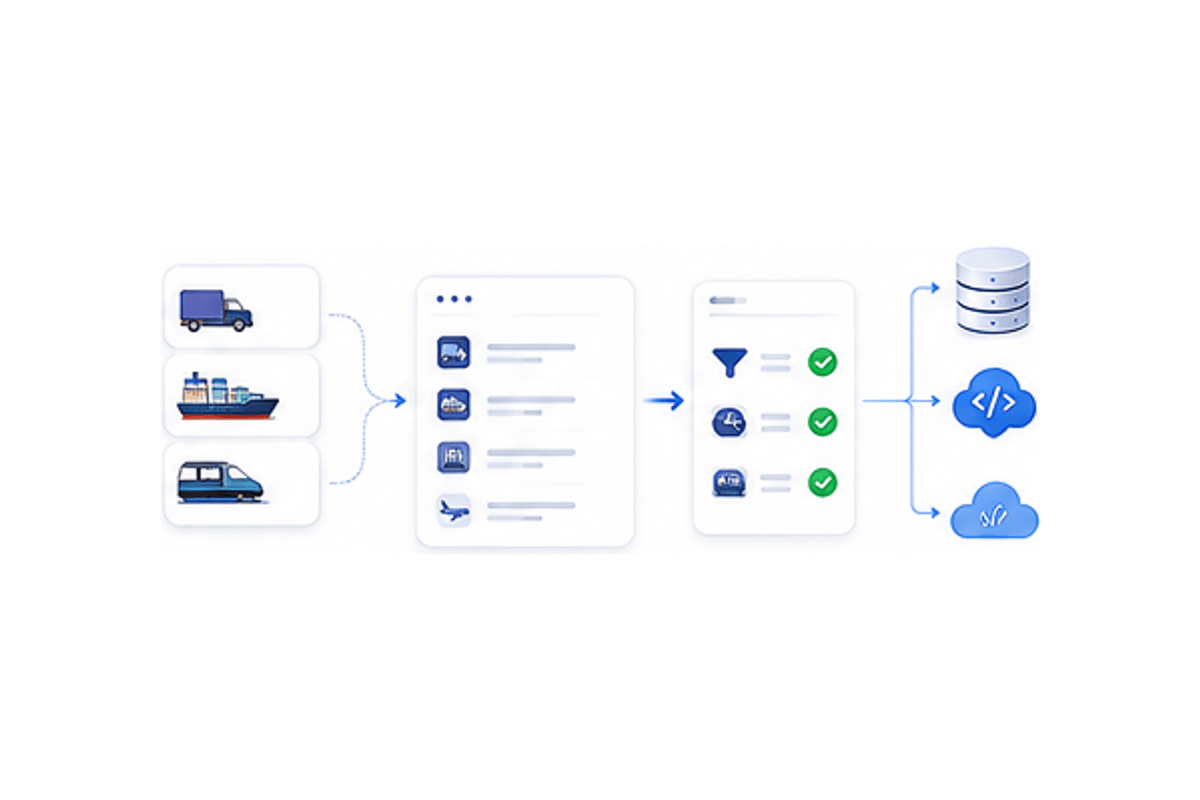
| product_name | pack_size | list_price | promo_price | availability | brand | category | source_url | collected_at |
|---|---|---|---|---|---|---|---|---|
| HUFT Chicken Adult Dry Dog Food | 1 kg | 649 | 599 | In stock | Heads Up For Tails | Dog food | https://www.headsupfortails.com/products/huft-chicken-adult-dry-dog-food | 2026-08-12T16:20:08Z |
| HUFT Chicken Adult Dry Dog Food | 5 kg | 2899 | null | In stock | Heads Up For Tails | Dog food | https://www.headsupfortails.com/products/huft-chicken-adult-dry-dog-food | 2026-08-12T16:20:08Z |
{
  "product_name": "HUFT Chicken Adult Dry Dog Food",
  "product_url": "https://www.headsupfortails.com/products/huft-chicken-adult-dry-dog-food",
  "brand": "Heads Up For Tails",
  "category": "Dog food",
  "variants": [
    {
      "pack_size": "1 kg",
      "list_price": 649,
      "promo_price": 599,
      "availability": "In stock"
    },
    {
      "pack_size": "5 kg",
      "list_price": 2899,
      "promo_price": null,
      "availability": "In stock"
    }
  ],
  "source_url": "https://www.headsupfortails.com/products/huft-chicken-adult-dry-dog-food",
  "collected_at": "2026-08-12T16:20:08Z",
  "notes": {
    "observed": "List and promo prices as shown on the public listing",
    "normalized": "Pack labels standardized to 1 kg / 5 kg"
  }
}
Observed fields reflect values as shown on the scoped public listing. Normalized notes describe optional packaging for comparison and must remain distinguishable from source observations. Blank or unavailable values are not treated as collection failures unless validation rules mark them as errors.
Scoping checklist
- Representative public URLs shared during scoping
- Public product and listing fields mapped to the agreed schema
- Variant and pack-size association aligned with parent records
- Promotion and availability signals marked observed versus normalized where applicable
- Refresh cadence agreed with volume and maintenance needs
- Delivery format and destination agreed for the engagement
HUFT Data Fields and Outputs
Field groups below are candidates for scoping. Availability depends on what approved public pages display and on the agreed schema.
Product Identity
Product names, public URLs, and related identity labels when present on the scoped listing and included in the engagement.
Category and Brand
Category paths and brand labels only when publicly visible and mapped into the agreed schema.
Variants and Pack Sizes
Pack sizes, variant options, and parent-to-variant association when the public page exposes them and scoping confirms the record design.
Prices and Promotions
List price, promo price, and related promotion text when displayed—not assumed for every variant or collection window.
Availability and Listing Signals
Stock or listing-status labels when publicly shown and requested; coverage varies by page type and visit timing.
Ratings and Reviews
Average rating and review-count signals when shown on approved public pages and included in scope.
Collection Metadata
Source URLs, collection timestamps, and validation notes retained so teams can review observations against the public listing.
Delivery Options
Spreadsheet, structured, platform, and recurring delivery modes where technically feasible and confirmed for the engagement—not promised by default.
Use Cases
HUFT Price Monitoring
Pricing teams comparing list and promo prices across pack sizes need recurring structured extracts with timestamps rather than ad-hoc screenshots. Related programs may use Nenodata price and assortment intelligence when multi-source monitoring is in scope.
Assortment Tracking
Merchandising teams tracking which products and pack sizes appear in the public catalog need consistent identity and category fields for assortment reviews.
Product and Variant Matching
Catalog and data teams matching public listings to internal SKUs need parent-product and variant-level columns that stay associated across refreshes.
Promotion Monitoring
Promotion analysts watching discount labels and promo prices need pack-level context so offers are not compared across mismatched sizes.
New-Product Detection
Brand and category teams watching for newly listed items need structured discovery from agreed collection or category pages on a defined cadence.
Availability Monitoring
Operations and marketplace teams reviewing stock or listing signals need recurring extracts with visible unavailable or exception states.
Pet-Category Research
Research teams studying pet-category assortment and pricing can review structured brand, category, and pack fields when those values appear on scoped pages.
Catalog Enrichment
Ecommerce and data-engineering teams enriching internal catalogs need reviewable source URLs, timestamps, and agreed field mappings for downstream loads.
Who This Is For
This service is for pricing, intelligence, brand, merchandising, ecommerce, marketplace, data, and engineering teams that need structured public HUFT catalog records matched to agreed fields and delivery destinations.
It fits organizations that can define representative URLs, required product and variant fields, intended use, and one-time or recurring delivery needs.
It is not positioned for unrestricted site scraping, official affiliation claims, or buyers seeking legal advice about redistribution or competitive use.
How It Works
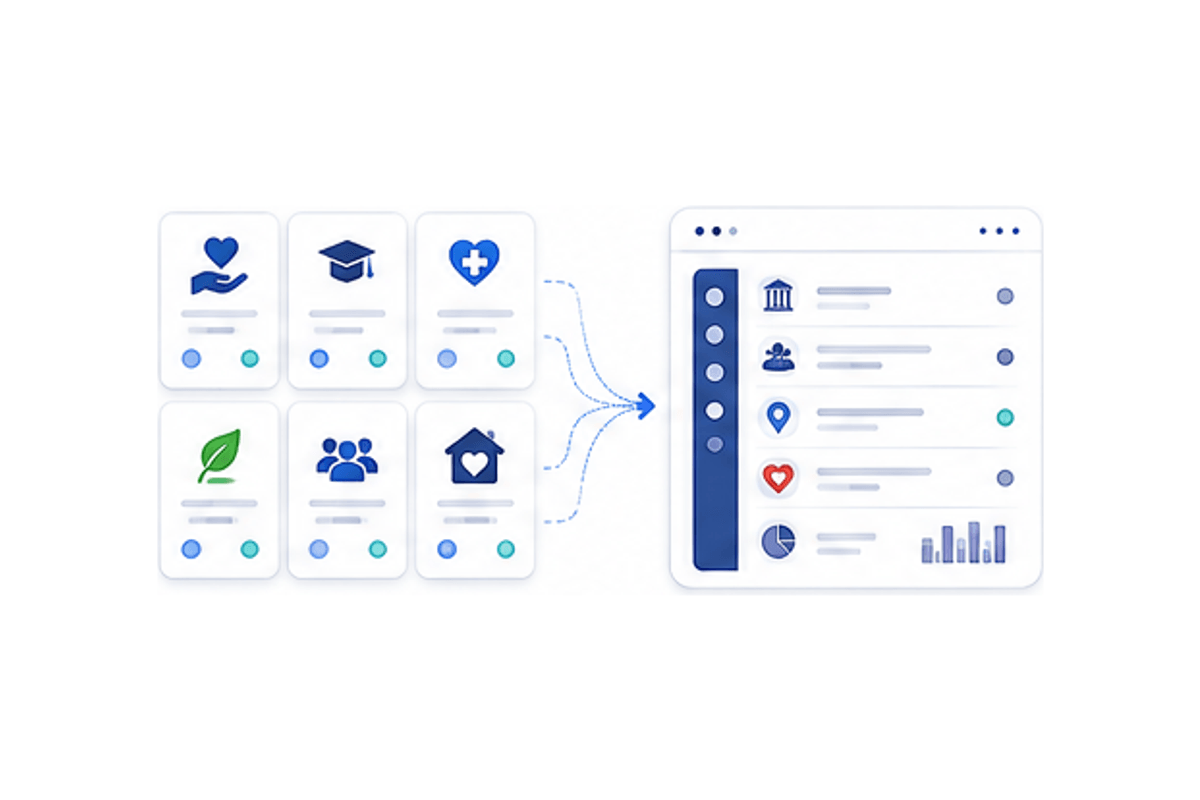
The delivery pattern aligns with how Nenodata works across managed ecommerce catalog-data engagements.
- Step 1
Share Requirements
Provide representative public URLs or categories, required product and variant fields, intended use, refresh need, and preferred delivery destination.
- Step 2
Review Source Feasibility
Nenodata reviews source feasibility, maps the agreed schema, and prepares a representative sample for approval before broader collection begins.
- Step 3
Collect, Structure, and Validate
Approved pages are collected and structured into the agreed schema with validation rules that keep missing values and exceptions visible.
- Step 4
Deliver and Maintain
Validated outputs are delivered once or on a recurring schedule through formats and destinations confirmed during scoping, with maintenance only where agreed.
Why Choose Nenodata
Sample-First Feasibility
Representative URLs and field mappings are reviewed through a sample before broader production commitments.
Variant-Aware Record Design
Pack-level prices and promotions are associated with parent products when the public page and agreed schema support that structure.
Clear Field Provenance
Observed source values stay distinguishable from optional normalization notes so downstream teams can verify records.
Managed Maintenance Scope
When included in scope, Nenodata maintains agreed collection, validation, and delivery handling rather than shifting every source change to internal engineering.
Responsible Public-Source Boundaries
Public visibility, intended use, and field boundaries are reviewed during scoping so collection stays within the agreed responsible-use envelope.
Workflow-Ready Delivery
Outputs are shaped for the destinations and formats confirmed during scoping so records fit analysis, enrichment, and operational workflows.
Delivery and Integration Options
Delivery formats and destinations are agreed during scoping. Options remain subject to confirmation and are not presented as automatically available for every engagement.
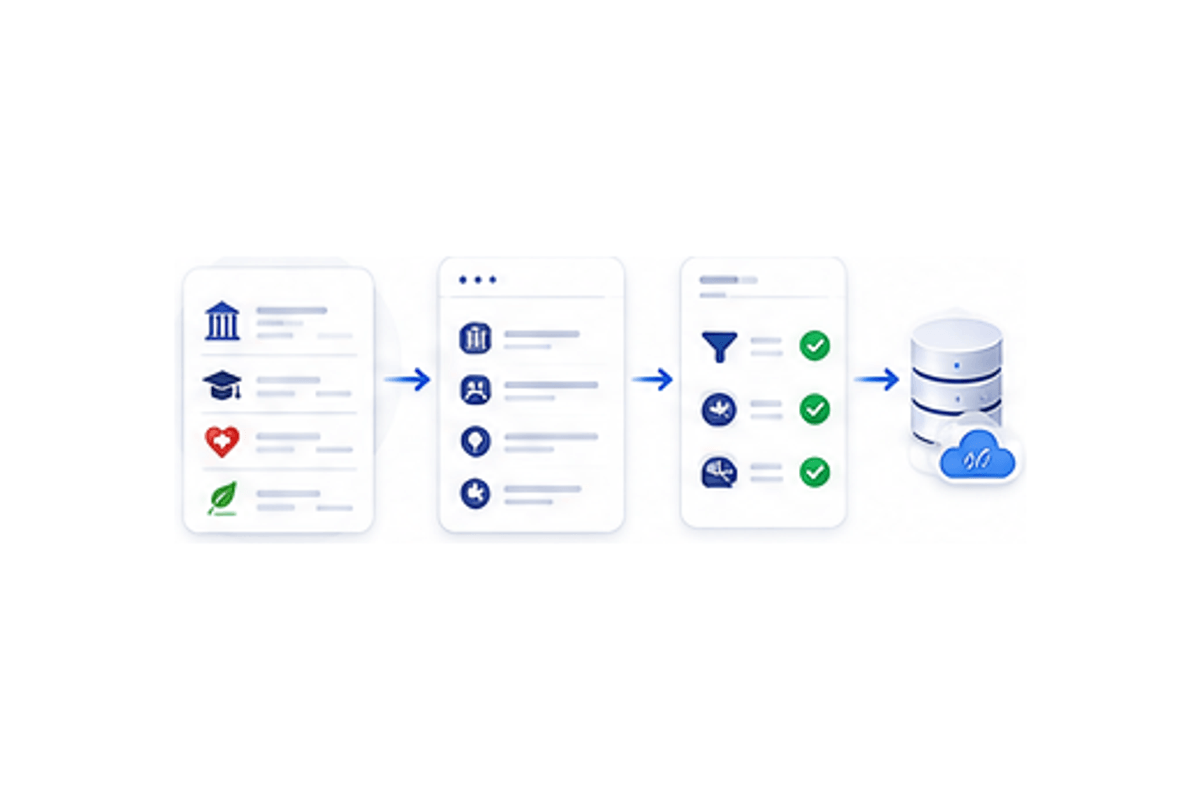
Spreadsheet Delivery
CSV or Excel files for analysis and reporting workflows when confirmed for the engagement.
Structured Data
JSON or API-ready structures for application and analytics ingestion when confirmed—without implying a hosted HUFT endpoint.
Data Platforms
Database- or warehouse-ready files and related platform loads when destination requirements are confirmed.
Recurring Delivery
Scheduled refresh and delivery when cadence, volume, and maintenance are included in scope and confirmed during sample review.
Review view pricing before confirming scope. Named connectors and fixed schedules are not promised without destination and cadence confirmation.
Related: ecommerce data extraction · Flipkart data scraping · price intelligence
Frequently Asked Questions
Review Your HUFT Data Requirements
Share representative public URLs or categories, required product and variant fields, intended use, one-time or recurring need, and preferred output destination so Nenodata can scope the next step.
Include example listings, field requirements, cadence, destination, and intended use when you request a custom data workflow. You can also view pricing before confirming scope.