Sheffield Pottery Scraper for Ceramic SKU, Glaze and Variant Data
Nenodata builds and manages a Sheffield Pottery Scraper workflow that structures agreed publicly visible pottery-supply product pages into normalized catalog records—SKU, glaze, size variant, and availability—not jewelry-supply or generic multi-retailer ecommerce feeds.
- Custom fields mapped to your requirements
- Cleaned and validated before delivery
- One-time or recurring delivery where supported
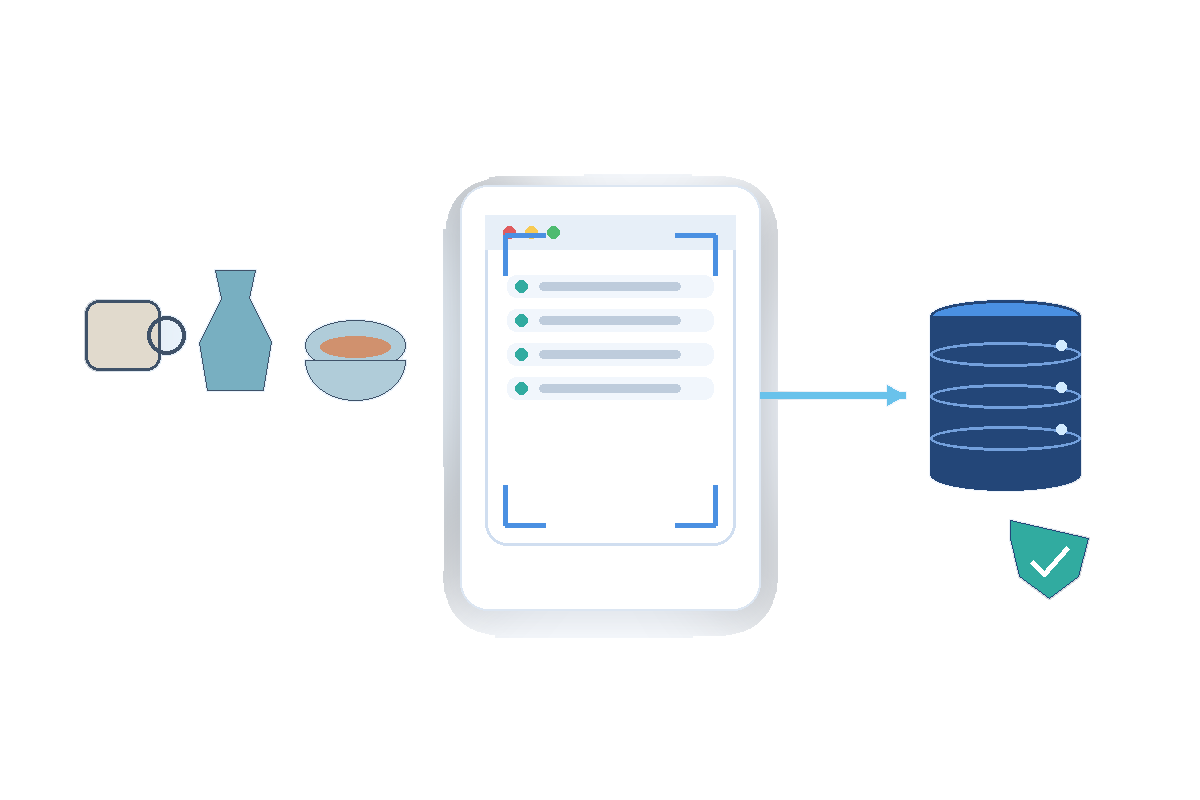
Replace Manual Catalog Checks with Structured Product Records
Merchandising, procurement, and ecommerce teams often assemble pottery-supply catalog intelligence from repeated manual page checks, copied spreadsheets, and incomplete scripts that fall behind when prices change, variants shift, or listings move between categories.
Template-specific attributes, inconsistent SKU labels, missing timestamps, and incomplete exception reporting make one-off extraction difficult to trust for recurring monitoring or downstream enrichment workflows.
A managed workflow defines the approved public product pages first, then maps product identity, category context, pricing and variant observations, availability signals, source metadata, and validation exceptions into a repeatable schema with transparent missing-value handling.
What the Sheffield Pottery Scraper Provides
Nenodata scopes extraction around the publicly visible product and category pages, agreed fields, validation rules, refresh needs, and delivery destinations required for your retail or procurement workflow.
Engagements may include extraction, cleaning, normalization, validation, and monitoring or maintenance when those elements are included in scope and supported by approved public pages. Fields such as product identifiers, titles, categories, prices, variants, availability state, source URLs, and collection timestamps are included only when publicly visible and confirmed during feasibility review.
Collection is limited to approved public pages. Account-dependent, login-gated, or protected information remains out of scope. This service is not universal across every product, category, or template on a source site.
Nenodata is an independent data-services provider and is not affiliated with Sheffield Pottery or any supplier named on this page.
Sheffield Pottery vs Rio Grande jewelry and ecommerce hub
Use this page for sheffield-pottery.com ceramic SKU, glaze, price, and variant rows. Use Rio Grande for jewelry-supply catalog feeds, or the ecommerce hub for multi-retailer product monitoring.
| Source | Best for | Learn more |
|---|---|---|
| Sheffield Pottery | Ceramic SKU, glaze, price, size variant, availability | This service |
| Rio Grande jewelry | Jewelry-supply SKU, metal, and availability feeds | Rio Grande jewelry scraper |
| Ecommerce hub | Multi-retailer product and price monitoring | Ecommerce data scraping |
Illustrative Sample Output and Field-Availability Proof
Review illustrative dataset fields grouped by identity, pricing, variants, availability, product details, and metadata. Actual fields require confirmation before production work begins.
Illustrative example
This illustration is not source-specific evidence, verified production output, or a confirmed Nenodata deliverable.
- Confirmed after feasibilityFields expected when present on approved public pages after representative testing
- Available on selected templates onlyFields that appear only on certain product templates and must be confirmed page by page
- Derived or normalized fieldsNormalized or computed values created from agreed public source fields during structuring
- Requested but unavailable fieldsFields requested but not expected on the agreed public pages for this engagement
| Field | Availability group | Example value |
|---|---|---|
| product_id | Confirmed after feasibility — Fields expected when present on approved public pages after representative testing | EXAMPLE-SKU-001 |
| product_name | Confirmed after feasibility — Fields expected when present on approved public pages after representative testing | Example Stoneware Glaze |
| category | Confirmed after feasibility — Fields expected when present on approved public pages after representative testing | Glazes |
| price | Available on selected templates only — Fields that appear only on certain product templates and must be confirmed page by page | 18.50 |
| currency | Available on selected templates only — Fields that appear only on certain product templates and must be confirmed page by page | USD |
| variant | Available on selected templates only — Fields that appear only on certain product templates and must be confirmed page by page | Pint |
| availability | Available on selected templates only — Fields that appear only on certain product templates and must be confirmed page by page | In stock |
| normalized_price | Derived or normalized fields — Normalized or computed values created from agreed public source fields during structuring | 18.50 |
| variant_label_clean | Derived or normalized fields — Normalized or computed values created from agreed public source fields during structuring | pint |
| account_price | Requested but unavailable fields — Fields requested but not expected on the agreed public pages for this engagement | null |
| source_url | Confirmed after feasibility — Fields expected when present on approved public pages after representative testing | https://example.com/product/EXAMPLE-SKU-001 |
| collected_at | Confirmed after feasibility — Fields expected when present on approved public pages after representative testing | YYYY-MM-DDTHH:mm:ssZ |
| validation_status | Confirmed after feasibility — Fields expected when present on approved public pages after representative testing | pass |
Illustrative record JSON
{
  "product_id": "AMACO-PC-1",
  "product_name": "Amaco Potter's Choice PC-1 Saturation Metallic Glaze",
  "category": "Glazes > Cone 5-6",
  "price": "24.95",
  "currency": "USD",
  "variant": "Pint",
  "availability": "In stock",
  "sku": "AMACO-PC-1-PT",
  "source_url": "https://www.sheffield-pottery.com/Amaco-Potters-Choice-PC-1-Saturation-Metallic-p/amaco-pc-1.htm",
  "collected_at": "2026-08-17T14:00:00Z",
  "validation_status": "pass"
}
Data Fields and Delivery Outputs
Potential fields and delivery options depend on approved pages, template coverage, and feasibility review. Observed, derived, conditional, and unavailable data remain distinguishable in the agreed schema.
Confirmed after feasibility
Product identifiers, titles, categories, source URLs, collection timestamps, and validation status when publicly visible and confirmed through representative testing.
Available on selected templates only
Price, currency, variant, availability, and related commercial signals when displayed on approved product templates included in scope.
Derived or normalized fields
Normalized price labels, cleaned variant text, and other derived values created from agreed public source fields during structuring.
Requested but unavailable fields
Account-dependent prices, protected attributes, or other fields not expected on the agreed public pages remain null or excluded rather than invented.
Potential delivery options
Structured files, API-ready exports, database loads, warehouse delivery, scheduled files, and webhooks when confirmed during scoping.
Use Cases
Pottery product price monitoring
Merchandising teams track structured price observations for scoped SKUs without rebuilding manual page checks after each listing update.
Catalog-change tracking
Operations groups compare listing-state and catalog-change signals across approved product sets on an agreed refresh cadence.
Assortment and category research
Category analysts review structured product and category attributes for assortment planning and supplier comparison workflows.
Product-availability monitoring
Inventory and merchandising teams monitor availability labels for scoped products when source behavior supports the agreed schedule.
Product matching and catalog enrichment
Data teams supplement internal item masters with public category, variant, and source-linked metadata from approved pages.
Procurement and supplier research
Procurement analysts assemble structured supplier catalog datasets for bid support and sourcing review where public pages are in scope.
Who This Service Is For
This service is for pottery and ceramics merchandising teams, ecommerce operators, procurement analysts, product researchers, and data engineering groups that need structured observations from approved publicly visible product pages.
It fits organizations that want sample-first scoping rather than maintaining fragile one-off scripts for changing catalog layouts. Broader retail programs may extend through Nenodata retail and ecommerce data solutions. This service is not universal across every product, category, or page template and does not include account-dependent or protected information.
How It Works
The managed workflow is described in how Nenodata works.
- Step 1
Share representative URLs and requirements
Share representative product or category URLs, required fields, filters, delivery format, refresh needs, and intended use.
- Step 2
Validate source and field feasibility
Nenodata tests approved public pages and field availability through a representative sample before broader rollout.
- Step 3
Extract, structure, clean, and validate
Records are normalized, deduplicated, and validated so variants, prices, null values, and exceptions remain distinct in the output.
- Step 4
Deliver and maintain the agreed workflow
Structured outputs are delivered through the confirmed method, with maintenance included only when contracted.
Why Choose Nenodata
Sample before the wider commitment
Representative pages and fields are reviewed before broader collection begins so teams can evaluate output fit early.
Custom field mapping
Schema design maps public product, pricing, variant, and availability fields to the buyer's workflow rather than a generic export alone.
Managed validation and exception handling
Missing, changed, or template-specific values remain visible through validation status and exception reporting rather than silent omission.
Flexible delivery planning
Outputs can be scoped for structured files, databases, warehouses, or API-ready delivery when confirmed during scoping.
Responsible public-source boundaries
Work stays limited to approved public pages and intended uses. Broader programs may extend through fully managed web scraping after feasibility review.
Maintenance where included
When maintenance is contracted, Nenodata handles agreed source-layout and delivery changes instead of shifting every update to internal engineering.
Integrations and Delivery Planning
Potential delivery methods may include spreadsheets, API-ready files, databases, data warehouses, and webhooks when supported for the engagement.
Review Nenodata price intelligence solutions, pricing, or case studies for packaging and delivery context. Formats, destinations, and maintenance remain subject to feasibility review.
Related services: enterprise web scraping, Shopify data scraping services, Shopee data scraping services, Shein USA data scraping, and shipping and delivery fee monitoring.
Frequently Asked Questions
Request a Source Feasibility Sample
Share representative product or category URLs, required fields, category scope, refresh cadence, expected volume, intended use, and preferred delivery destination so Nenodata can scope the next step.
Include business contact details with representative URLs, required fields, desired cadence, format, and destination when you contact Nenodata.