Open Library Authors Scraper for Structured Author Data
Nenodata's Open Library Authors Scraper scopes approved public author interfaces, normalizes identity and works relationships, applies defined matching and exception rules, and delivers structured author records into CSV, JSON, Excel, or API-ready formats aligned to your product workflow.
- Supported API or bulk-dataset workflows
- Defined matching and exception rules
- One-time or recurring delivery
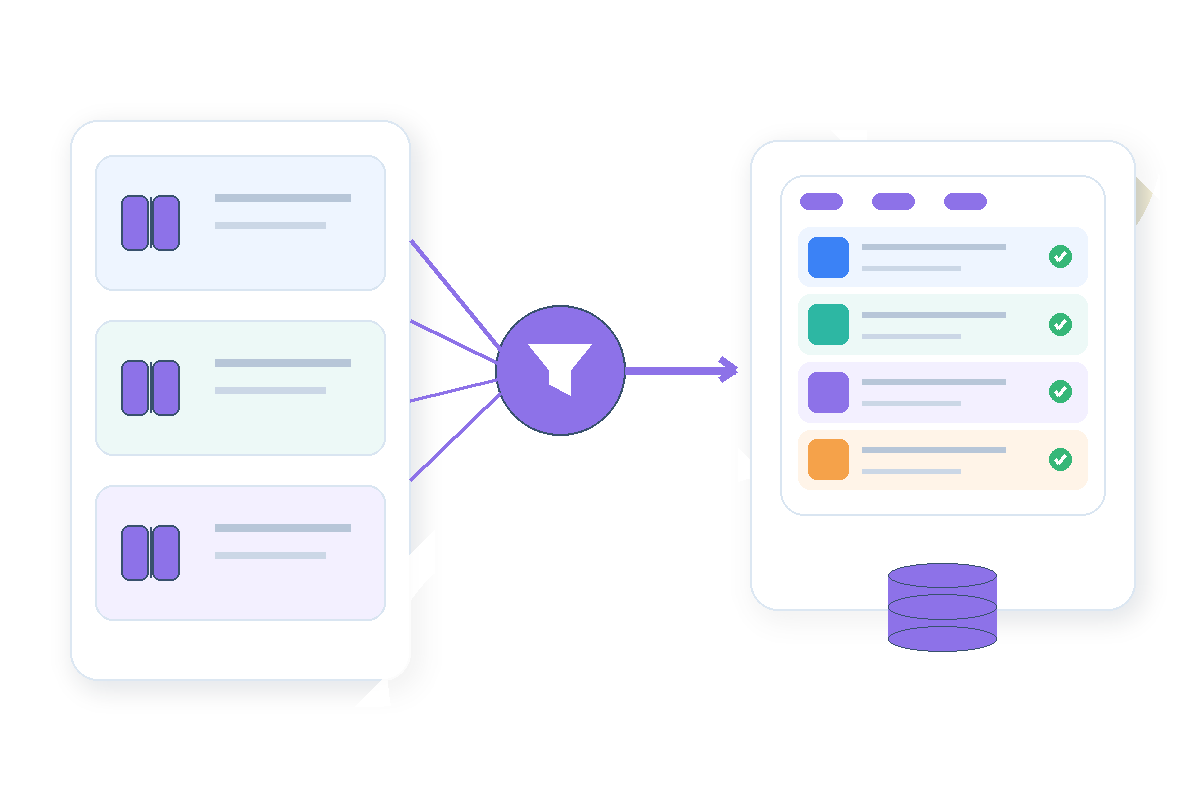
Turn Public Author Records Into Usable Business Data
Product, research, and data teams often assemble author datasets through manual API calls, ad hoc bulk downloads, and spreadsheet merges that break when pagination shifts, author-to-work relationships expand, or the same person appears under multiple names and identifiers.
Fragile internal scripts struggle with source selection, bulk-file processing, identity ambiguity across similar names, and inconsistent normalization that downstream systems treat as complete records.
A managed workflow defines the supported interface, required fields, matching rules, and delivery destination first—then maps author identity, aliases, biographical context, works links, and provenance metadata into a repeatable schema with visible exception handling rather than silent gaps.
What the Open Library Authors Scraper Provides
Nenodata provides managed collection scoped to approved public author interfaces—such as official APIs or permitted bulk datasets confirmed during feasibility review—not default HTML scraping. Engagements begin with representative author inputs and a sample review before broader rollout.
Depending on approved scope, outputs may include author identity keys, display and personal names, aliases, biographical fields where publicly shown, external identifiers where permitted, author-to-work relationships within agreed depth limits, source references, collection timestamps, and validation metadata when those elements are included in the agreed schema.
Collection is limited to approved public interfaces and customer-authorized use cases. Login-protected, private, restricted, or unauthorized sources remain out of scope. Teams may use official routes directly, extend delivery through Nenodata web scraping API integrations, or broader programs through fully managed web scraping services when those paths are confirmed in scope.
Open Library vs other author sources
Use this page for Open Library author keys, names, and works. Use Semantic Scholar for academic author profiles, or Hacker News for tech discussion — not catalogs.
| Source | Best for | Learn more |
|---|---|---|
| Open Library | Author key, display name, works, and openlibrary.org URLs | This service |
| Semantic Scholar | Academic author profiles, papers, and citation signals | Semantic Scholar scraper |
| Hacker News | Tech stories, scores, and comment threads — not author catalogs | Hacker News scraper |
Representative Sample Output
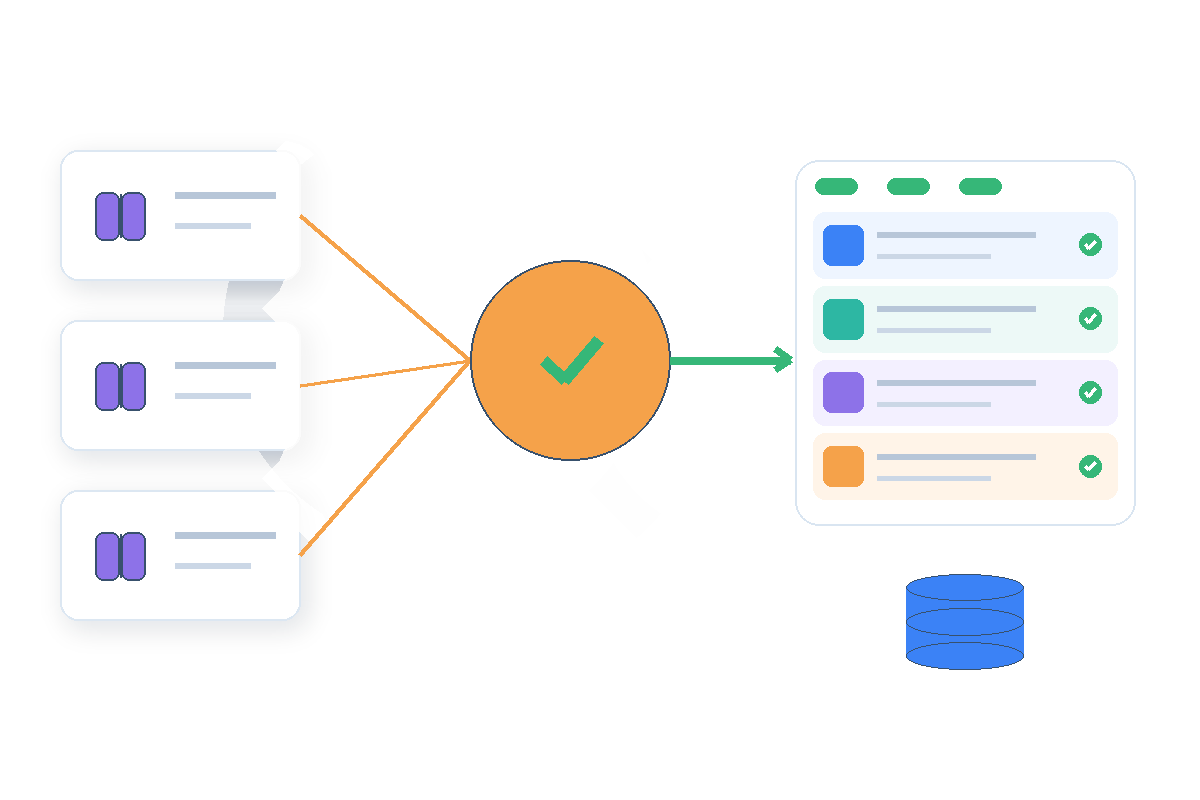
Review an illustrative normalized author record with identity, alias, biographical, works, identifier, source, and validation fields before broader production begins.
Illustrative example
This JSON is illustrative only. It is not a live customer record or production API response. Final fields depend on project scope.
{
  "author_key": "/authors/OL23919A",
  "display_name": "Ursula K. Le Guin",
  "personal_name": "Le Guin, Ursula K.",
  "alternate_names": ["Ursula Kroeber Le Guin"],
  "birth_date": "1929",
  "death_date": "2018",
  "bio": null,
  "external_ids": {
    "wikidata": "Q181659",
    "viaf": "109557338"
  },
  "works": [
    {
      "work_key": "/works/OL59808W",
      "title": "The Left Hand of Darkness",
      "first_publish_year": 1969
    }
  ],
  "source_url": "https://openlibrary.org/authors/OL23919A/Ursula_K._Le_Guin",
  "source_reference": "openlibrary.org",
  "collected_at": "2026-08-12T11:40:08Z",
  "match_status": "confirmed",
  "validation_status": "passed",
  "review_required": false,
  "review_reason": null
}
Author Data Fields and Outputs
Potential field groups depend on the approved interface, permitted fields, works depth, and technical feasibility confirmed during scoping.
Author Identity
Author keys, display names, and related public identity labels where shown on approved interfaces and included in the agreed schema.
Names and Aliases
Personal names, alternate names, and alias variants where publicly displayed, with explicit handling when name signals conflict.
Biographical Metadata
Birth dates, death dates, biographical text, and related descriptive fields where publicly shown and approved for the intended use case.
External Identifiers
Permitted external identifiers such as Wikidata or VIAF references where publicly displayed and approved for delivery.
Works and Publication Relationships
Work keys, titles, publication years, and author-to-work links within agreed depth, pagination, and relationship limits.
Provenance and Validation
Source URLs, source references, collection timestamps, match status, validation status, review flags, and exception reasons retained for audit review.
Delivery Formats
CSV, Excel, JSON, API-ready structures, webhooks, databases, warehouses, and custom-pipeline delivery when confirmed during scoping.
Use Cases
Book-Discovery Product Enrichment
Discovery products append structured author and works context to catalog or recommendation inputs where approved interfaces and field scope support the workflow.
Author Directory Creation
Data teams build searchable author directories with normalized names, aliases, and works links subject to agreed relationship depth and refresh limits.
Publishing Research
Research groups scope author-level bibliographic observations for publishing analysis without treating missing biographical or works fields as complete coverage.
Bibliographic Catalog Normalization
Catalog operations normalize author identity and works references across internal records with visible match status when names or keys are ambiguous.
Recommendation-System Inputs
Recommendation pipelines ingest structured author and works features where publicly displayed fields and permitted use are confirmed during scoping.
Digital-Humanities Datasets
Humanities projects assemble scoped author datasets with provenance metadata for approved research workflows—not as a substitute for source-policy review.
Internal Knowledge-Base Enrichment
Knowledge-base teams supplement internal author records with source-linked identity and works context within agreed depth and redistribution limits.
Who This Service Is For
This service fits product engineering, data engineering, publishing research, digital-humanities, and bibliographic operations teams that need structured public author metadata with sample-first scoping and explicit identity handling.
It supports organizations that prefer managed normalization, validation, and delivery over maintaining fragile collectors across changing API behavior, bulk-file formats, and author-to-work relationship rules.
Nenodata is an independent data-services provider and is not affiliated with Open Library, the Internet Archive, or any official bibliographic platform.
Managed Workflow
The delivery pattern aligns with how the data workflow works across managed author-data engagements.
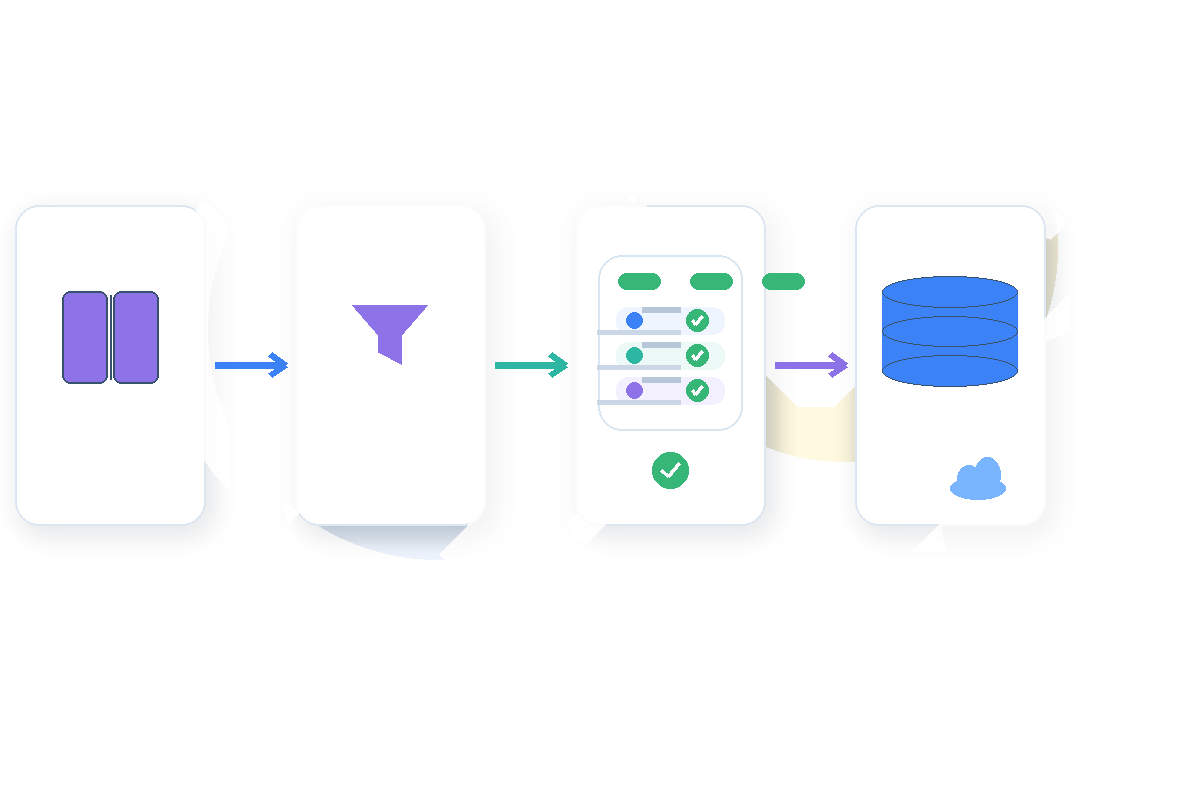
- Step 1
Share Your Requirements
Share representative author names, keys, or search inputs, required fields, works depth, delivery format, refresh need, intended use, and destination.
- Step 2
Select the Supported Interface
Nenodata confirms the approved API, bulk dataset, or related public interface, field availability, and source-usage constraints through a representative sample.
- Step 3
Normalize, Match, and Validate
Records are mapped and validated so aliases, works links, missing values, match status, and review flags remain visible rather than silently overwritten.
- Step 4
Deliver and Maintain
Structured outputs are delivered through the confirmed method, with maintenance included when contracted in scope.
Why Choose Nenodata
Pay for Operational Ownership, Not Data Access
Public author interfaces may be freely available while operational work—interface selection, normalization, exception handling, and delivery—remains scoped to Nenodata when included in the engagement.
Validate the Dataset Before Production
Representative author inputs and fields are reviewed through a sample before broader collection so teams can confirm schema fit and usable output early.
Review Source Usage During Scoping
Approved interfaces, permitted fields, attribution expectations, and intended use are reviewed before production scale rather than assumed from a generic export.
Define How Ambiguous Authors Are Handled
Match status, review flags, and exception reasons stay visible when similar names, overlapping keys, or conflicting identity signals require defined handling rules.
Use a Schema Built Around Your Product
Field names, works depth, validation rules, and destination mapping are planned around your workflow rather than forcing downstream reshaping of a fixed export.
Keep the Workflow Maintained Where Scoped
When included in scope, Nenodata maintains agreed handling for interface, schema, and delivery changes through Nenodata custom data pipelines rather than shifting every update to internal engineering.
Delivery and Integration Options
All formats and destinations depend on technical feasibility and agreed scope. Confirmed engagements may include CSV, Excel, JSON, API-ready structures, webhooks, database loading, warehouse delivery, and custom-pipeline handoffs when destination requirements are confirmed. For commercial context, review Nenodata plans and custom pricing before confirming scope, refresh cadence, and destination requirements.
- CSV
- Excel
- JSON
- API-ready structures
- Webhooks
- Database loading
- Warehouse delivery
- Custom-pipeline handoffs
Related: documentation · data extraction services · enterprise web scraping
Frequently Asked Questions
Request a Representative Sample
Share representative author names, keys, or search inputs, required fields, works depth, approximate scope, one-time or recurring need, preferred format, destination, and intended use so Nenodata can scope the next step.
Include representative author inputs, required fields, cadence, format, and destination when you discuss your data requirements.