Product Hunt Scraper Service for Launch Intelligence
Nenodata's Product Hunt Scraper scopes agreed public launch pages, maps them to your research schema, validates exceptions visibly, and delivers structured outputs for monitoring, scouting, and analysis workflows.
- Agreed public page types and fields
- Sample-first feasibility review
- One-time or recurring delivery where feasible
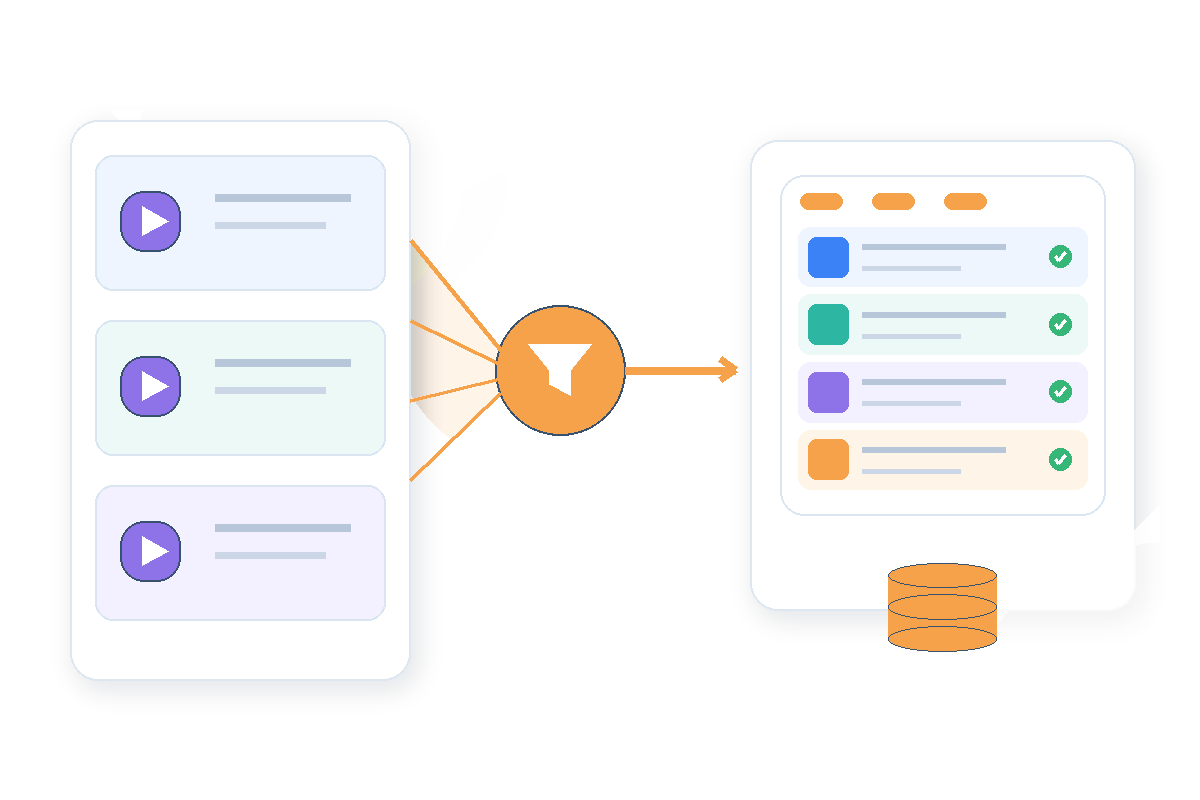
Replace Manual Launch Tracking With a Managed Data Workflow
Research and growth teams often copy launch titles, product labels, maker names, topic tags, and engagement signals by hand—then lose track of pagination, missing values, layout changes, and duplicate records as lists grow.
Fragile scripts break when page structures shift, when leaderboard or search layouts change, or when teams need collection timestamps, source references, and exception reporting instead of silent gaps in exported rows.
Launch-intelligence workflows need a repeatable collection model with approved source limits, normalization rules, and delivery formats that move into databases, research tools, and monitoring systems without rebuilding exports after every layout change.
What Our Product Hunt Scraper Provides
Nenodata scopes managed extraction around agreed public launch, product, topic, search, and profile page types, required fields, filters, validation rules, refresh cadence, and delivery destinations for competitive monitoring, category research, scouting, and enrichment workflows.
Engagements are sample-first: representative pages are reviewed for field availability, null behavior, and source differences before broader collection commitments. Technical feasibility and source changes remain qualifications—not guarantees—throughout the engagement.
Collection is limited to approved public sources. Login-protected, private, restricted, deleted, hidden, or inappropriate sensitive fields remain out of scope. Broader programs may extend through Nenodata fully managed web scraping services. Source sets, fields, filters, cadence, and destinations are confirmed during feasibility review.
Product Hunt vs other company sources
Use this page for Product Hunt launches, makers, and upvotes. Use Crunchbase for company profiles, or LoopNet for commercial listings.
| Source | Best for | Learn more |
|---|---|---|
| Product Hunt | Launch title, tagline, makers, upvotes, and launch date | This service |
| Crunchbase | Company profiles, funding, and organization pages | Crunchbase scraper |
| LoopNet | Commercial listing, price, and broker fields — not launches | LoopNet scraper |
Illustrative Output Preview
Review an illustrative launch record grouped by launch identity, product details, public maker references, engagement indicators, and validation metadata.
Illustrative example.
The schema below shows one way a launch dataset may be structured. Final fields are confirmed against representative pages during sample review.
This preview is illustrative only. It is not a live customer deliverable, production API response, or guarantee of field availability for every page type.
| Field group | Illustrative value | Notes |
|---|---|---|
| Launch record | Northwind Analytics · 2026-08-11 | Launch identity and date where publicly displayed |
| Product details | Market intelligence for mid-market ops teams · Analytics | Product context where shown on agreed pages |
| Public maker references | Priya Shah · null | Intentionally blank when not observed on page |
| Engagement indicators | 412 upvotes | Engagement signals where publicly visible and in scope |
| Validation metadata | producthunt.com · 2026-08-12T10:18:33Z · passed | Traceability, timestamp, and validation status |
Potential Data Fields and Output Structure
Field groups below are potential until source review confirms availability for the approved engagement scope.
Launch Details
Launch titles, launch dates, launch URLs, topic or category labels, and ranking context where publicly displayed and included in scope.
Product Details
Product names, taglines, descriptions, website links, and related public product labels where shown on agreed launch pages.
Public Maker Information
Public maker or team display names and intentionally visible profile references where permitted for the approved use case—not private contact enrichment.
Engagement Information
Public upvote counts, comment totals, review indicators, and related engagement signals where publicly visible and approved for collection.
Source and Validation Metadata
Source URLs, page types, collection timestamps, validation status, exception reasons, and missing-field notes for audit review.
Delivery Options
CSV, JSON, API-ready records, webhooks, database, CRM, warehouse, and custom pipeline paths subject to confirmation during scoping.
Use Cases
Competitive Launch Monitoring
Track agreed launch and product fields across monitored lists on a scoped cadence with exception visibility when values change or disappear.
Category Trend Research
Analyze topic, category, and launch-timing signals where publicly displayed for category research—not as a guarantee of complete historical coverage.
Startup Scouting
Assemble structured launch observations for scouting workflows that still require human review before investment or partnership decisions.
Investment Research
Support research pipelines with source-linked public launch fields where approved for the engagement scope and intended use boundaries.
Product-Positioning Analysis
Compare taglines, topics, and public product labels across monitored launches where those fields are publicly shown and included in the schema.
Launch Database Maintenance
Refresh agreed public launch fields for internal databases on a contracted schedule with provenance and validation metadata retained.
Approved Sales-Intelligence Research
Growth teams may use approved public launch records to identify visible companies or makers for further business research through Nenodata lead generation and enrichment workflows when permitted—without private emails, telephone numbers, restricted information, or guaranteed off-platform enrichment.
Who This Service Is For
This service fits product research, competitive intelligence, investment, growth, data engineering, and analyst teams that need structured public launch observations with sample-first scoping and traceability metadata.
It supports organizations that prefer managed collection, normalization, and delivery over maintaining brittle internal scripts across launch-page layout changes.
This is not a browser extension, no-code template, unrestricted private-data product, or implied official Product Hunt integration. Nenodata is an independent data-services provider.
How It Works
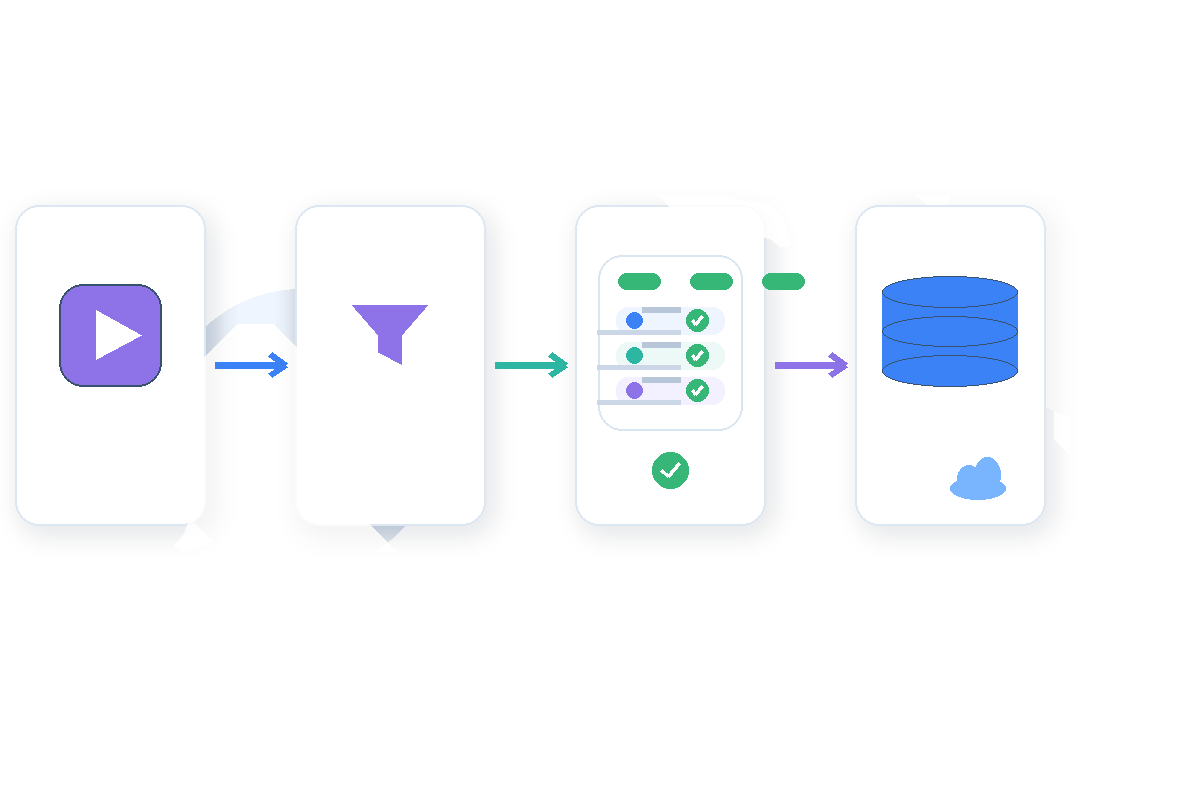
Nenodata follows a feasibility-first workflow aligned with how Nenodata works across managed extraction engagements.
Define Requirements
Share representative launch URLs or search inputs, required fields, filters, geography, intended use, refresh need, and delivery destination.
Configure Collection
Nenodata configures extraction against agreed public targets and captures the defined field set for representative sample review.
Structure and Validate
Collected records are normalized and validated so missing values, duplicates, and collection timestamps remain visible rather than silently overwritten.
Deliver
Structured outputs are delivered once or on a recurring schedule through formats and destinations confirmed during scoping and sample review.
Sample-review checkpoint
A representative sample is reviewed after configuration and before larger-scale collection so teams can confirm field availability, null behavior, and schema fit.
Why Choose Nenodata
Fields Defined Around Your Research
Field names, filters, and validation rules are planned around your research schema rather than forcing downstream reshaping of a fixed export.
Sample-First Scope Review
Representative pages are reviewed for feasibility, field availability, and source differences before broader rollout commitments.
Managed Operational Ownership
When included in scope, Nenodata maintains agreed handling for source and schema changes rather than shifting every update to internal engineering.
Reviewable Validation Rules
Validation status, exception reasons, and missing-field notes stay with each record when values cannot be confirmed on observed pages.
Responsible Source Boundaries
Work stays limited to approved public-data uses. Private, login-protected, restricted, deleted, and sensitive fields remain out of scope.
Delivery Built Around Existing Workflows
Outputs can be scoped for files, API-oriented handoffs, webhooks, databases, CRM workflows, and warehouses when destination requirements are confirmed.
Delivery for One-Time and Recurring Requirements
Delivery destinations depend on technical feasibility and agreed scope. Potential paths include file delivery, API-oriented records, webhooks, databases, CRM workflows, data warehouses, and custom pipeline handoffs when confirmed during scoping.
Programmatic delivery may extend through Nenodata custom data pipelines. API-oriented delivery may be scoped through Nenodata data API solutions when technically feasible. A prebuilt public launch API product is not claimed on this page.
Frequently Asked Questions
Review Your Required Fields With Nenodata
Share representative launch URLs or search inputs, required fields, filters, intended use, one-time or recurring need, and preferred output destination.
Include representative sources, required fields, filters, cadence, destination, and intended use. To discuss scope, contact Nenodata through the contact flow.