Target Reviews Scraper for Structured Product Feedback
Nenodata scopes, builds, and manages a Target Reviews Scraper workflow that transforms publicly available product feedback into structured review records with product context, rating signals, source references, and validation metadata for product, quality, and market analysis.
- Sample-first field and schema review
- Public-source scope confirmed before production
- CSV, JSON, or API-ready delivery where scoped
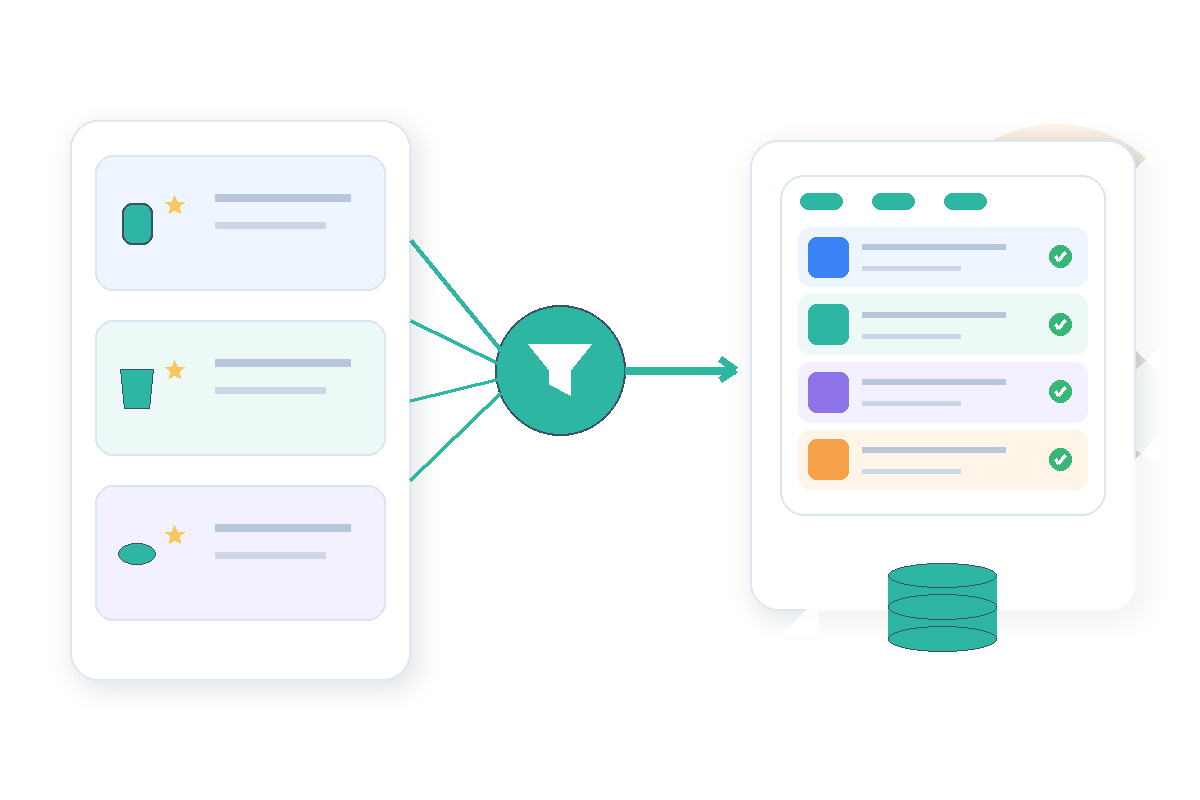
The Public Product Review Data Problem
Product, quality, and research teams often assemble customer feedback through manual copying, one-off exports, and ad hoc screenshots that fall behind when review counts, rating displays, or page layouts change.
Fragile internal collectors struggle when the same product appears under inconsistent identifiers, review pagination behaves differently across listings, or missing values are treated as complete records in downstream analysis.
A managed workflow defines approved public product pages and required review fields first, then maps product context, review content, aggregate signals, and collection metadata into a repeatable schema with transparent exception handling. retail and ecommerce data solutions can extend broader retail programs when those workflows are in scope.
What a Target Reviews Scraper Delivers Through Nenodata
Nenodata scopes managed extraction around agreed publicly visible product pages, required review fields, validation rules, refresh cadence, and delivery destinations for product-quality, voice-of-customer, and market-research workflows.
Engagements may include product context, review text and ratings where publicly displayed, aggregate review signals, source URLs, collection timestamps, validation status, and structured delivery when those elements are confirmed during feasibility review.
Collection is limited to approved public pages. Login-protected, account-dependent, checkout, order, or otherwise restricted information remains out of scope. Broader review programs may extend through Nenodata review and social data extraction services when multi-platform review workflows are required.
Target reviews vs Target catalog and multi-platform reviews
Use this page for Target.com product-review rows (rating, review date, review text). Use Target USA scraping for catalog price and availability, or review-data for multi-platform review programmes.
| Source | Best for | Learn more |
|---|---|---|
| Target reviews | Target.com review rating, date, text, and product context | This service |
| Target USA catalog | Target.com product, USD price, and availability — not reviews | Target USA data scraping |
| Review data hub | Multi-platform ratings and mentions, not Target-only reviews | Review & social data |
Sample Output and Proof
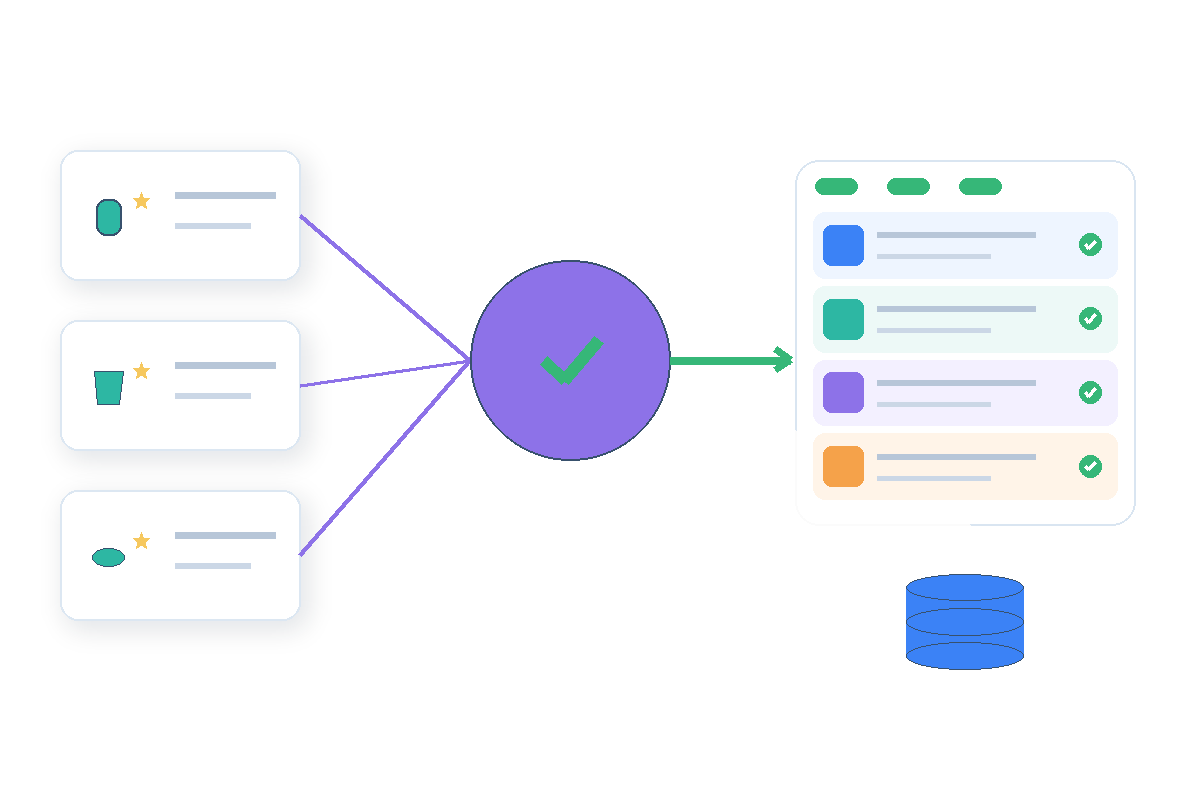
Review an illustrative structured review record with product context, review content, aggregate signals, source references, collection timestamps, and validation status before broader production begins.
Illustrative example — final fields and structures are confirmed during scoping.
This table is illustrative only. It is not a live customer record, verified production extract, or guarantee that every field is available from every product or page.
| Field | Illustrative value | Notes |
|---|---|---|
| product_name | Anker Soundcore Life Q30 Wireless Headphones | Product context from approved public page |
| product_id | 84139912 | Identifier where publicly displayed and in schema |
| review_rating | 5 | Individual review rating where publicly shown |
| review_title | Comfortable for daily commute | Review title or headline where present |
| review_text | Noise cancelling holds up on the train. Battery lasted through a work week. | Review content where publicly displayed |
| review_date | 2026-07-22 | Review date where shown on approved pages |
| aggregate_rating | 4.6 | Aggregate rating where publicly displayed |
| review_count | 1284 | Aggregate count where publicly displayed |
| source_url | https://www.target.com/p/anker-soundcore-life-q30-wireless-over-ear-headphones/-/A-84139912 | Traceability to approved public source |
| collected_at | 2026-08-13T14:00:00Z | Collection or processing timestamp |
| validation_status | pass_with_exceptions | Visible handling when a field cannot be confirmed |
Data Fields and Delivery Outputs
Potential field groups depend on approved public pages, permitted fields, and technical feasibility confirmed during scoping.
Product context
Product names, identifiers, category labels, and source URLs where publicly displayed and included in the agreed schema.
Review content and rating
Review text, titles, individual ratings, and review dates where publicly shown on approved product pages.
Aggregate review signals
Average ratings, review counts, and related aggregate signals when publicly displayed and confirmed during scoping.
Collection metadata
Source URLs, collection timestamps, run identifiers, and provenance references retained for audit review.
Validation metadata
Validation status, exception reasons, duplicate handling notes, and missing-value treatment visible in the output.
Delivery formats
CSV, Excel, JSON, API-ready records, scheduled files, webhooks, databases, warehouses, and CRM imports when confirmed during scoping.
Use Cases
Product-quality issue monitoring
Quality teams monitor structured review text and rating signals for recurring defect themes where publicly displayed feedback supports the agreed product set.
Voice-of-customer research
Research groups assemble review content and rating context for qualitative analysis without treating illustrative fields as guaranteed coverage.
Review trend tracking
Analysts track agreed review and aggregate fields on a scoped refresh schedule with exception visibility when values change or are absent.
Product-launch feedback
Product teams observe early public feedback signals for newly listed items where approved pages and fields are confirmed during scoping.
Competitive product research
Market teams compare review and rating observations across monitored product sets where public pages and intended-use boundaries permit the workflow.
Supplier and packaging feedback
Operations groups review structured feedback related to packaging, fulfillment, or product experience themes visible in approved public reviews.
Dataset preparation for internal text analysis
Data teams prepare normalized review records for internal NLP or text-analysis workflows when field scope and retention are confirmed during scoping.
Historical review monitoring
Analytics groups retain structured review observations from future collection runs. Recovery of previously unpublished historical records depends on source behavior confirmed during feasibility review.
Who This Service Is For
This service is for product managers, quality teams, voice-of-customer researchers, retail analysts, competitive-intelligence groups, and data engineering teams that need structured public product feedback with sample-first scoping and traceability metadata.
It fits organizations that prefer managed normalization, validation, and delivery over maintaining fragile internal collectors across changing review layouts and pagination behavior.
Comparable retailer programs may also use Nenodata Amazon marketplace data or Walmart data scraping services. Login-protected or restricted information remains out of scope. Nenodata is not affiliated with Target.
How the Managed Workflow Works
Nenodata follows a sample-first engagement model aligned with fully managed web scraping services for scoped public-source workflows.
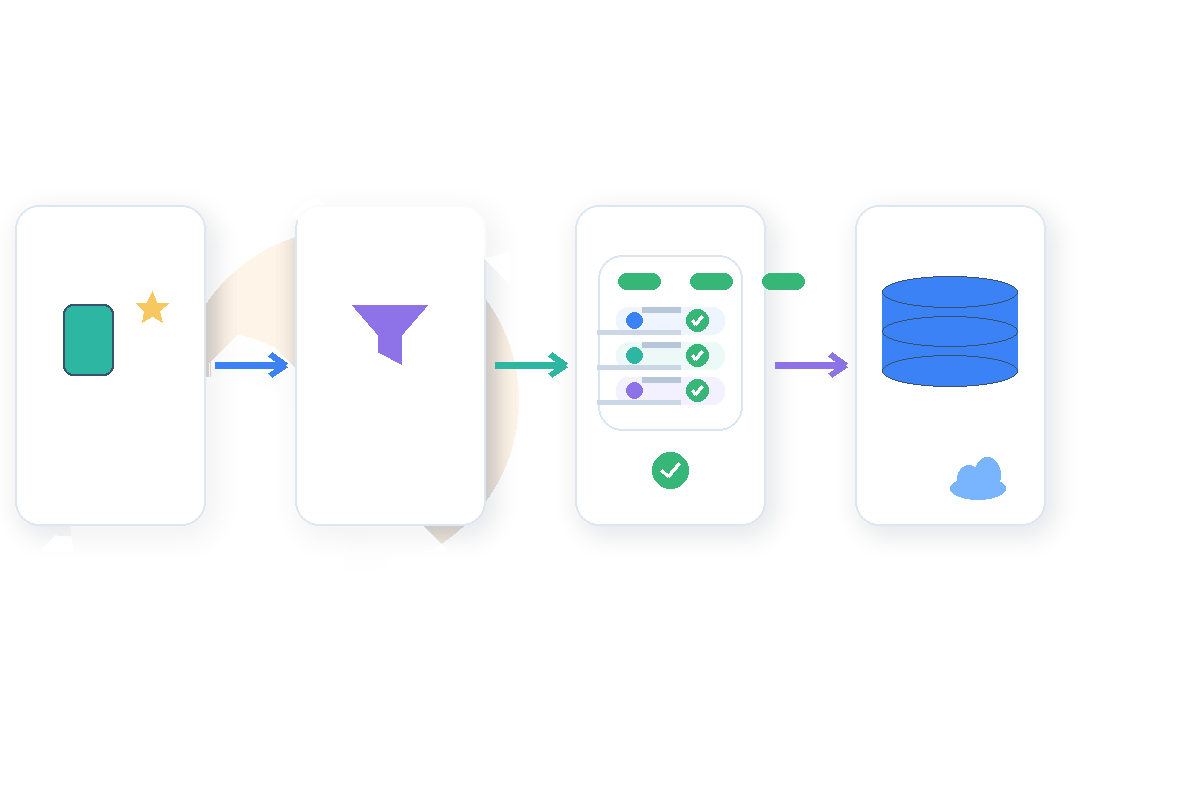
- Step 1
Share your requirements
Share representative product URLs or input descriptions, required review fields, delivery format, refresh needs, and intended use.
- Step 2
Review feasibility and configure collection
Nenodata validates approved public pages, review fields, and pagination behavior through a representative sample before broader rollout.
- Step 3
Clean and validate
Records are normalized and validated so review content, ratings, missing values, and collection timestamps remain distinct in the output.
- Step 4
Deliver and maintain
Structured outputs are delivered through the confirmed method, with maintenance included when contracted.
Learn more in how Nenodata works. Maintenance scope must be confirmed during scoping.
Why Choose Nenodata
Confirm feasibility before production
Requested sources, review fields, volume, and schedule are assessed through a representative sample before production scale rather than assumed from a generic export.
Define the schema around your workflow
Field names, null handling, and destination mapping are planned around the buyer's product-quality or research workflow rather than a one-size-fits-all dump.
Make exceptions visible
Validation status, exception reasons, and missing-value treatment stay visible when review content or ratings cannot be confirmed on approved pages.
Reduce internal maintenance work
When included in scope, Nenodata maintains agreed handling for source-layout and delivery changes through fully managed web scraping services rather than shifting every update to internal engineering.
Deliver into existing systems
Outputs can be scoped for spreadsheets, JSON workflows, API-ready structures, databases, warehouses, CRM imports, scheduled files, and webhooks when technically supported.
Maintain a responsible public-source scope
Work stays limited to approved public pages and intended uses. Login-protected, account-dependent, or restricted collection requests are declined during scoping.
Delivery and Integration Options
Delivery formats are agreed during scoping. Conditional options remain subject to technical feasibility and are not guaranteed before representative testing.
Potential paths include CSV, Excel, JSON, API-ready records, scheduled files, webhooks, databases, data warehouses, and CRM imports when technically supported and confirmed for the engagement. For commercial context, review Nenodata view pricing before confirming scope, refresh cadence, and destination requirements.
- CSV and Excel
- JSON
- API-ready records
- Scheduled files (conditional)
- Webhooks (conditional)
- Databases and warehouses (conditional)
- CRM imports (conditional)
Related resources: multi-platform review data extraction, app store review intelligence, brand monitoring data intelligence, and ecommerce data solutions.
Frequently Asked Questions
Request a representative data sample
Share representative product URLs, required review fields, approximate scope, one-time or recurring need, preferred format, destination, and intended use so Nenodata can scope the next step.
Include representative URLs, required fields, cadence, format, and destination when you view pricing or contact Nenodata through the contact flow.