StockAnalysis Scraper for Structured Financial Data
Nenodata scopes, builds, and manages a StockAnalysis Scraper workflow that turns agreed public financial-web pages into structured stock, ETF, statement, IPO, and screener records for research, enrichment, and downstream data systems—without implying an official partnership or unrestricted real-time coverage.
- Agreed public page types only
- Validation and exception fields retained
- Sample-first schema confirmation
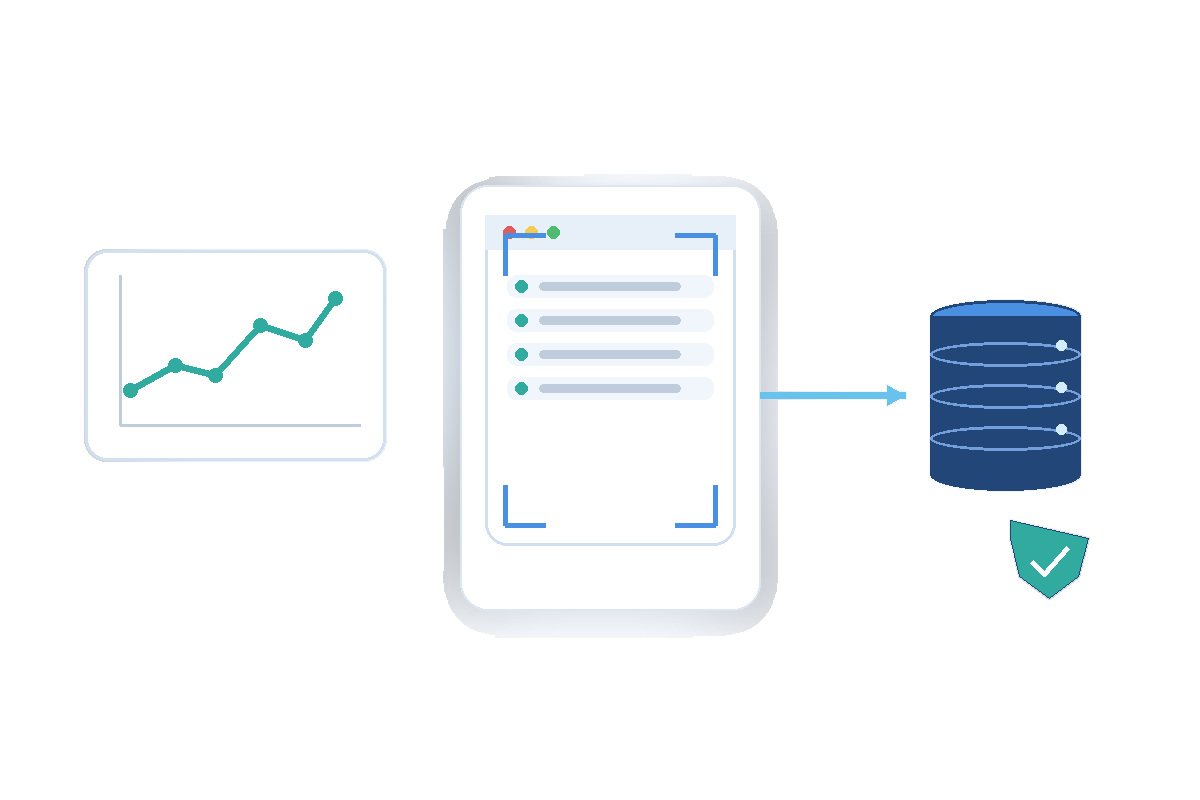
Collecting Financial-Web Data Becomes an Ongoing Engineering Problem
Research, product, and data teams often need recurring observations from public financial pages, but manual collection does not scale when layouts change, reporting periods differ by instrument, or validation context must stay attached to each value.
Ad-hoc scripts and copied spreadsheets leave gaps in source URLs, period context, currency labels, missing-value handling, and validation status, so incomplete extracts are easy to mistake for complete datasets.
Internal collectors add maintenance overhead when page structures, embedded data paths, or access restrictions change. Teams need a managed workflow that keeps source references, collection timestamps, and exception labels visible rather than hiding gaps behind silent defaults.
What the StockAnalysis Scraper Provides
Nenodata scopes managed financial-web collection around approved public StockAnalysis.com page types, required fields, validation rules, refresh cadence, intended use, and delivery destinations before production work begins.
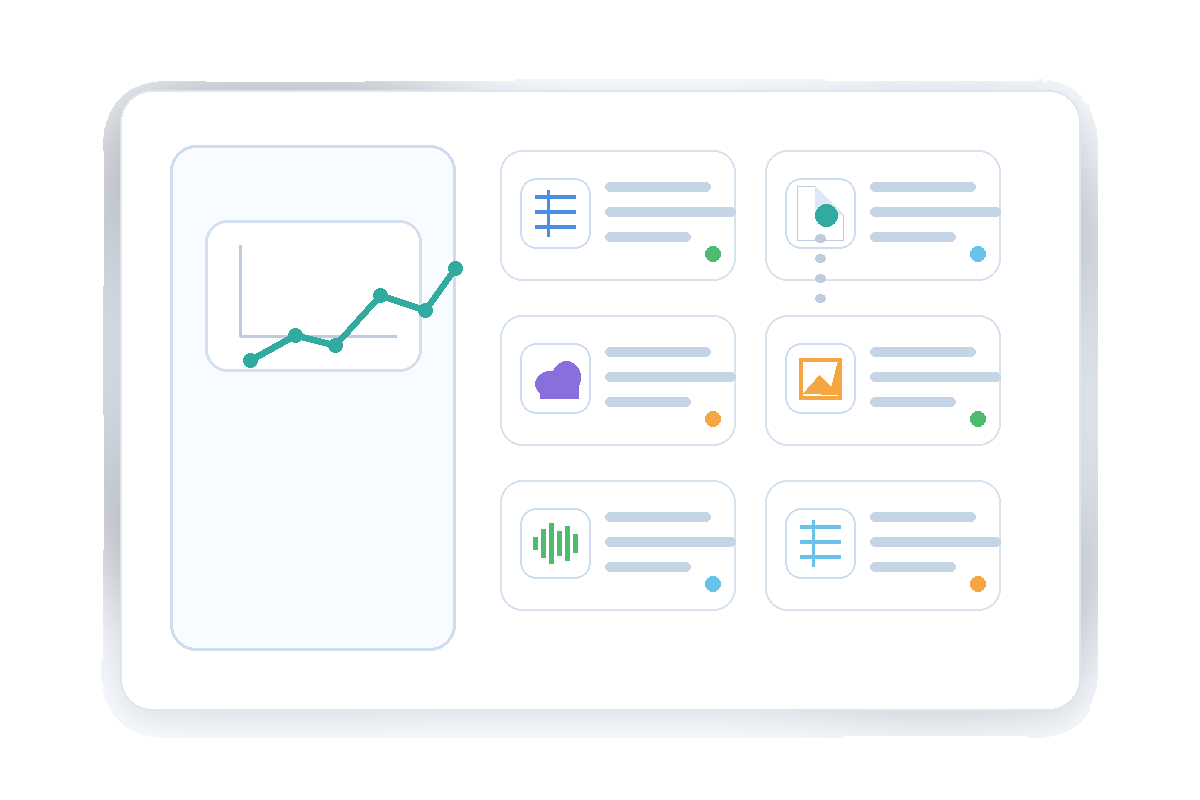
Depending on approved scope, outputs may include company identity, market and valuation observations where displayed, financial statement rows with reporting-period context, ETF details, IPO records, screener or stock-list rows, source metadata, and validation or exception fields when those elements are included in the agreed schema.
Nenodata is an independent provider and does not claim an official StockAnalysis.com partnership, licensed API relationship, or guaranteed real-time retrieval across every page type. Broader programs may extend through Nenodata fully managed web scraping when multi-source public-data collection is in scope. Source sets, fields, cadence, and destinations are agreed during scoping.
Representative Sample Output
Review a financial record with source URL, reporting period, observed value, collection timestamp, and validation status.
Illustrative example
{
  "source_url": "https://approved-source.example/stocks/EXAMPLE/",
  "page_type": "company_profile",
  "instrument_ticker": "EXAMPLE",
  "instrument_name": "Illustrative Example Company",
  "reporting_period": "FY2024",
  "observed_field": "market_cap",
  "observed_value": null,
  "currency": "USD",
  "collected_at": "YYYY-MM-DDTHH:mm:ssZ",
  "validation_status": "pass_with_exceptions",
  "exception_note": "Conditional fields depend on approved scope"
}
Data Fields and Delivery Outputs
Potential field groups depend on approved page types, agreed schema, and technical feasibility. Groups below are not guarantees of coverage.
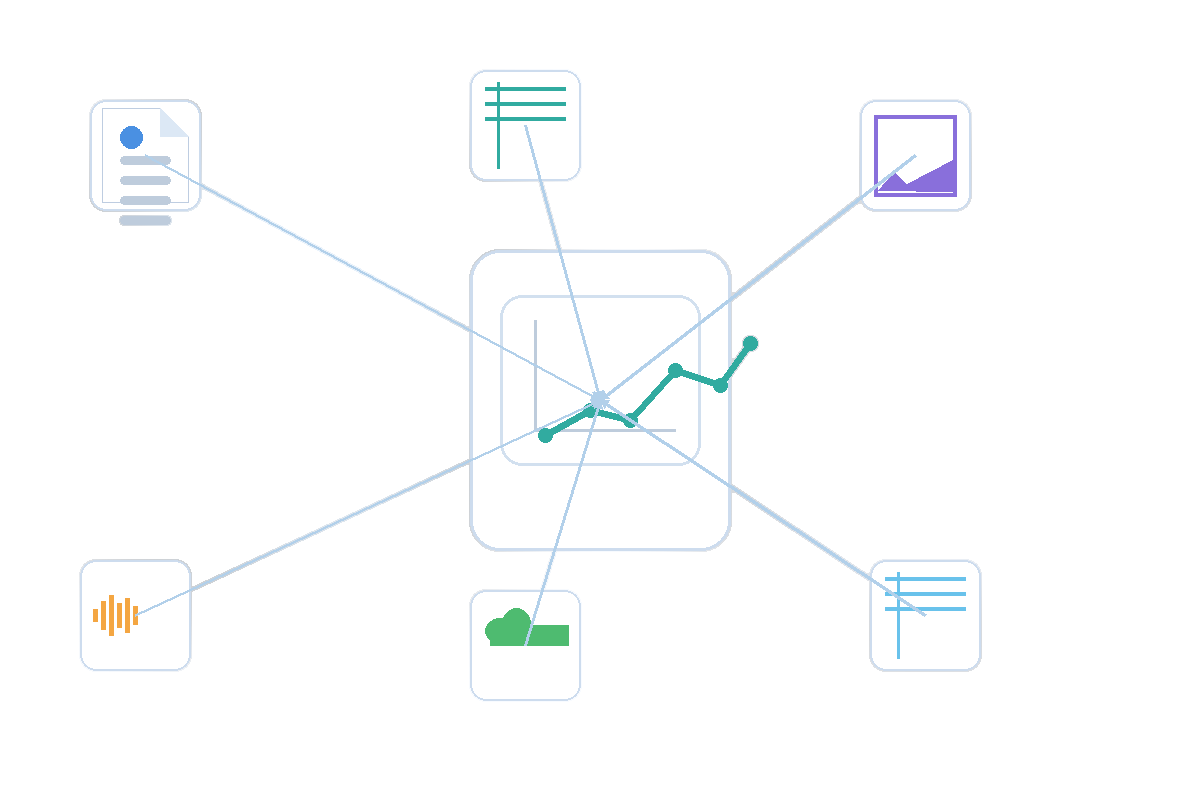
Security and Company Identity
- Ticker or instrument identifiers where displayed
- Company or fund names where shown
- Exchange or listing labels where available
- Page-type classification for each record
Market and Valuation Observations
- Price or valuation signals where publicly shown
- Market-cap or comparable metrics where displayed
- Observation timestamps retained with each value
Financial Statements and Reporting Periods
- Statement rows with period context where available
- Annual, quarterly, or historical period labels
- Currency context where shown on source pages
ETF Details
- Fund identity fields where displayed
- Holdings or category labels where publicly shown
- ETF-specific metadata when included in approved scope
IPO Records
- IPO calendar or listing fields where available
- Expected or observed dates where displayed
- Issuer labels where shown on agreed pages
Screener and Stock-List Records
- Screener result rows where publicly accessible
- Filter context or list membership where shown
- Rank or sort signals where displayed
Source and Collection Metadata
- Source URL references
- Collection timestamps
- Page-type and retrieval-method notes
Validation and Exception Fields
- Validation status labels
- Missing-value and exception notes
- Required-field checks where agreed during scoping
- CSV
- Excel
- JSON
- XML
- API-oriented structures
- Webhooks
- Database loads
- Warehouse feeds
Use Cases
Company-Universe Enrichment
Enrich internal company universes with scoped public financial observations while preserving source references and limitation language.
Fundamental-Research Datasets
Support research libraries with structured statement and valuation fields—not investment advice, guaranteed accuracy, or complete market coverage.
Financial-Statement Normalization
Normalize statement rows with reporting-period and currency context when approved page types and fields are confirmed during sample review.
ETF Research Feeds
Feed agreed ETF metadata into internal research products when field availability and permitted use are confirmed during scoping.
IPO Calendar Monitoring
Monitor scoped IPO calendar observations over time when recurring collection and change-detection rules are included in approved scope.
Screener Result Ingestion
Ingest screener or stock-list rows into downstream systems when page access, volume, and intended use are confirmed—not guaranteed for every filter.
Internal Financial Dashboards
Supply structured records to internal dashboards when delivery formats and refresh cadence are agreed during scoping.
Data-Product Enrichment
Enrich customer-facing or internal data products with agreed public financial fields when redistribution rights and source restrictions are separately approved.
Who This Service Is For
This service is for fundamental-research teams, fintech and data-product builders, ETF analysts, internal dashboard owners, and enterprise data teams that need structured public financial-web observations with sample-first scoping.
Buyers should define page types, required fields, volume, cadence, destination, and intended use before production work begins. It is not positioned for buyers seeking guaranteed real-time coverage, official data-vendor partnership status, or unrestricted redistribution without separate approval.
Broader extraction programs may also review Nenodata all data extraction services when multi-source public-data workflows are in scope.
How the Engagement Works
The delivery pattern aligns with how Nenodata delivers structured data across managed public-data engagements, including representative-sample review before production finalization.
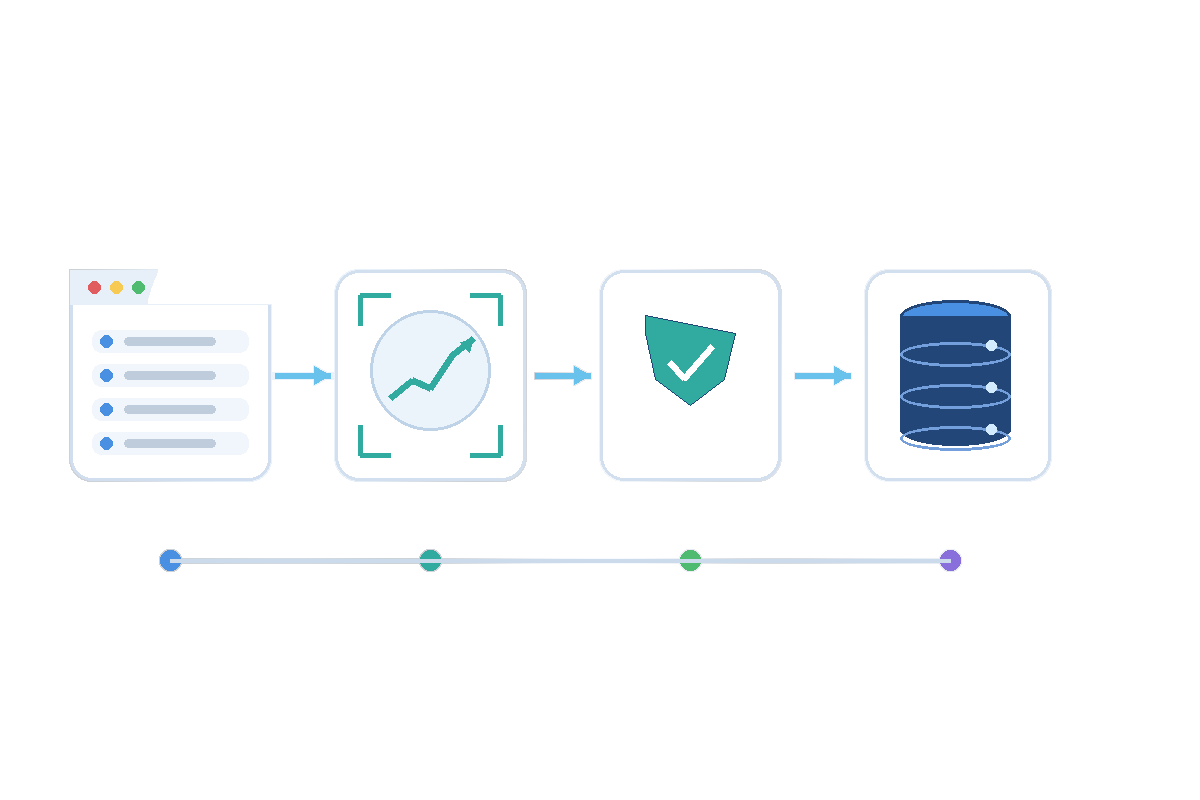
- Step 1
Connect and Define Requirements
Share page-type examples, required fields, volume, refresh need, validation rules, intended use, and delivery destination.
- Step 2
Extract
Nenodata reviews source access and field availability, then prepares a representative sample from approved targets where feasible.
- Step 3
Transform
Records are normalized and validated so missing values, period context, and exception labels remain visible rather than silently overwritten.
- Step 4
Deliver
Structured outputs are delivered once or on a recurring schedule through formats and destinations agreed during scoping, with maintenance where included in approved scope.
Why Choose Nenodata
Feasibility Before Commitments
Page types, fields, and refresh models are reviewed before production scale—not assumed for every public financial page.
Sample-First Schema Confirmation
Representative records, field availability, and volume are reviewed through a sample before broader collection begins.
Visible Validation and Exceptions
Validation status, missing-value notes, and exception labels stay with each record when values cannot be confirmed on observed pages.
Maintenance Ownership
Source-change response and collector maintenance can be scoped when ongoing support is included in the approved engagement.
Delivery Into Existing Workflows
Outputs can be scoped for files, API-oriented structures, webhooks, databases, CRM workflows, and warehouses when destination requirements are agreed.
Careful Source and Usage Scoping
Work stays limited to approved public sources and intended uses reviewed during scoping. Login-protected, restricted, or redistributable-use cases require separate confirmation.
Integrations, Delivery, and Limitations
Delivery formats and destinations are agreed during scoping. Options remain conditional on technical feasibility and are not guaranteed before representative testing.
Recurring transformation may extend through Nenodata custom data pipelines when downstream automation is in scope. Integration-ready payloads may extend through the Nenodata web scraping API capability where appropriate—this is not a prebuilt StockAnalysis.com endpoint unless separately verified. Pricing discussions may reference plans and custom pricing when commercial terms are in scope.
Related services: financial data extraction, finance & stock market data scraping, SEC Form D scraper, document processing, and custom data pipelines.
Important limitations
- No official StockAnalysis.com partnership, endorsement, or licensed API relationship is implied.
- Real-time or instant retrieval is not guaranteed across page types or volumes.
- Page-type, field, volume, and cadence support require feasibility review—not assumed before sample approval.
- Login-protected, restricted, or private data remain out of scope unless separately authorized.
- Redistribution, resale, and model-training use require separate intended-use confirmation.
- Financial observations support research and enrichment—they do not constitute investment advice or guaranteed accuracy.
Frequently Asked Questions
Request a Structured Sample
Share representative page URLs, page-type examples, required fields, volume, one-time or recurring need, and preferred output destination so Nenodata can scope the next step.
Include source URLs, field requirements, filters, cadence, destination, and intended use when you contact Nenodata through the contact flow.