SEC Form D Scraper Service for Structured Filing Data
Nenodata provides a managed SEC Form D scraper service that collects, normalizes, and delivers agreed public Form D and D/A filing data scoped to your fields, filters, refresh schedule, and destination. For company and funding intelligence outside Form D filings, see Crunchbase Scraper.
- Requirements-led field mapping
- Filing-level source traceability
- Managed monitoring and maintenance
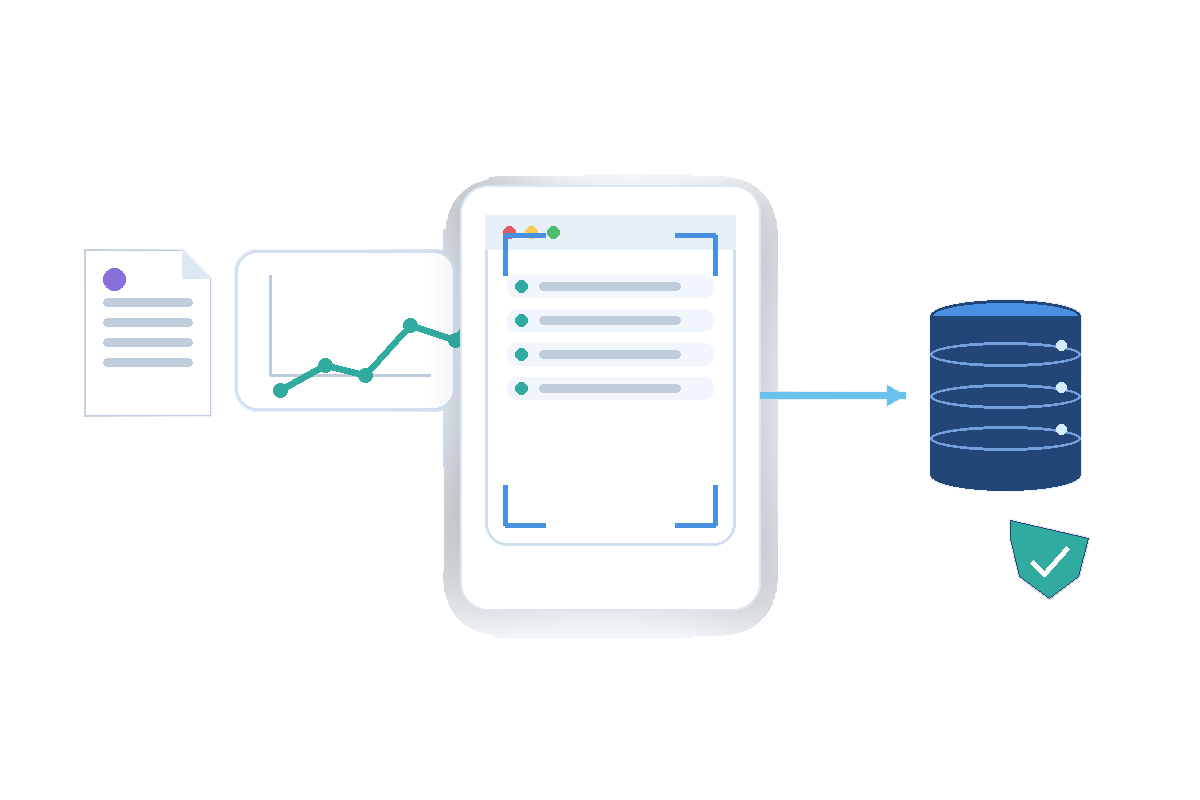
The operational work behind usable Form D records
Research, data, and compliance teams often assemble private-offering context from manual EDGAR searches, one-off XML downloads, and spreadsheet copies that use different field names, amendment paths, and date conventions.
Raw public filings still need parsing, normalization, and duplicate review before they can support recurring monitoring, enrichment, or internal research. Missing related-person fields, indefinite offering values, and inconsistent issuer identifiers create downstream rework when teams treat incomplete rows as complete coverage.
Internal parsers add maintenance overhead when filing layouts, exemption labels, or amendment relationships change. Teams need a managed workflow that keeps accession numbers, source URLs, collection timestamps, and validation notes visible rather than hiding gaps behind silent defaults.
What an SEC Form D scraper service includes
Nenodata scopes managed Form D collection around approved public SEC EDGAR sources, required fields, CIK or issuer filters, amendment rules, validation steps, refresh cadence, and delivery destinations before production work begins.
Depending on approved scope, outputs may include filing identity, issuer information, offering details, security and exemption labels, related-person records where publicly shown, sales-compensation fields where displayed, amendment metadata, source references, collection timestamps, and validation notes when those elements are included in the agreed schema.
Nenodata applies agreed transformations and normalization rules. Structured outputs reflect as-filed public information and do not assert the factual accuracy of filer submissions. Broader managed programs may extend through Nenodata fully managed web scraping when multi-source public-data collection is in scope. Source sets, fields, cadence, and destinations are agreed during scoping.
Form D filings vs other company sources
Use this page for SEC Form D and D/A offering filings. Use Crunchbase for company and funding profiles, or StockAnalysis for public-market statements.
| Source | Best for | Learn more |
|---|---|---|
| SEC Form D | Issuer, CIK, accession, exemption, and offering fields | This service |
| Crunchbase | Company profiles, funding rounds, and investor pages | Crunchbase scraper |
| StockAnalysis | Public ticker, statement, and screener data — not Form D | StockAnalysis scraper |
Sample structured output
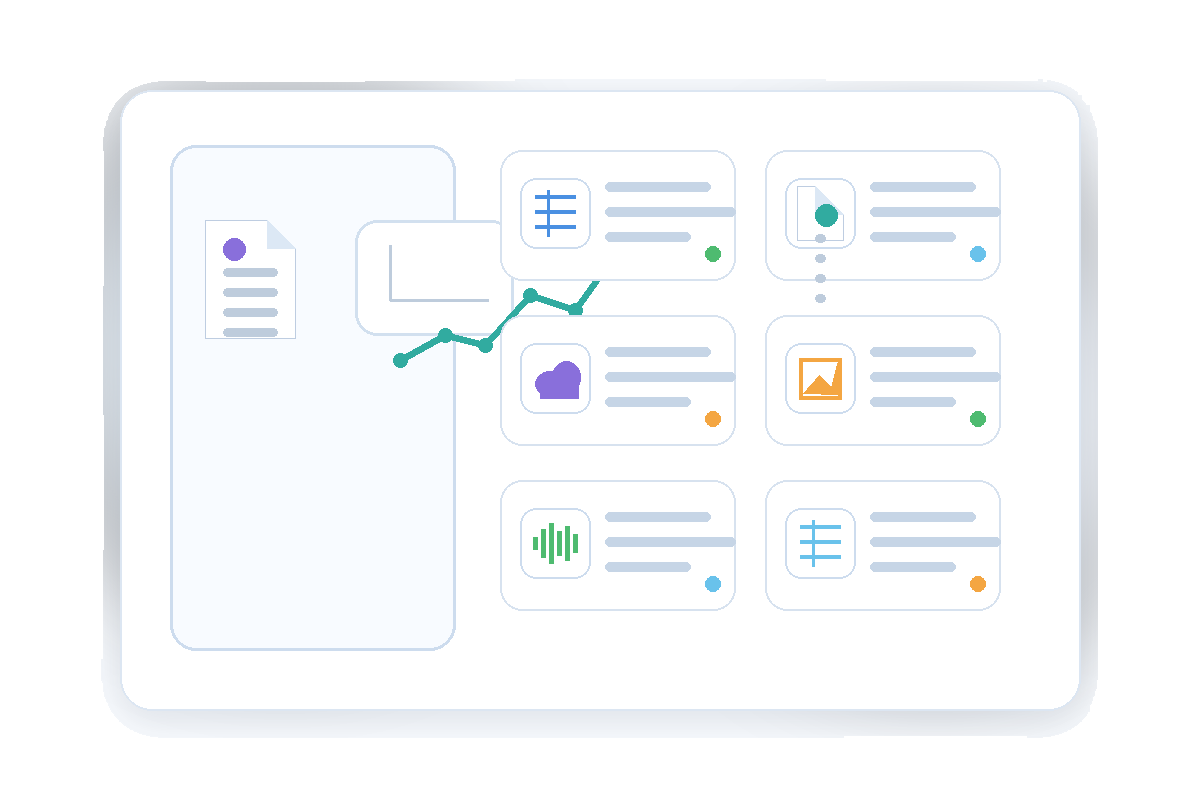
Review Form D and D/A record objects with filing identity, issuer context, offering fields, source references, and validation metadata.
Illustrative example
{
  "filing_type": "D",
  "accession_number": "0001849963-26-000018",
  "issuer_name": "Northwind Analytics LLC",
  "cik": "0001849963",
  "filing_date": "2026-06-18",
  "offering_amount": "15000000",
  "minimum_investment": "25000",
  "industry_group": "Other Technology",
  "exemptions_claimed": ["Rule 506(b)"],
  "related_persons": [
    {
      "name": "Priya Shah",
      "role": "Executive Officer",
      "field_availability": "observed"
    }
  ],
  "source_url": "https://www.sec.gov/Archives/edgar/data/1849963/000184996326000018/xslFormDX01/primary_doc.xml",
  "collected_at": "2026-08-12T11:22:08Z",
  "validation_status": "passed",
  "transformation_note": "Normalized from public EDGAR Form D"
}
{
"filing_type": "D/A",
"accession_number": "0001849963-26-000024",
"previous_accession_number": "0001849963-26-000018",
"issuer_name": "Northwind Analytics LLC",
"cik": "0001849963",
"filing_date": "2026-07-22",
"amendment_type": "Increase in offering amount",
"offering_amount": "Indefinite",
"source_url": "https://www.sec.gov/Archives/edgar/data/1849963/000184996326000024/xslFormDX01/primary_doc.xml",
"collected_at": "2026-08-12T11:22:08Z",
"validation_status": "passed",
"field_availability_note": "Amendment linked to prior accession"
}Data fields and outputs
Illustrative field groups — final availability depends on source feasibility and project scope.
Filing identity
Filing type, accession numbers, CIK, filing dates, amendment references, and source URLs where publicly displayed and included in scope.
Issuer information
Issuer name, entity type, jurisdiction, address components, and related public issuer labels where shown on agreed filings.
Offering details
Offering amount, minimum investment, date-of-first-sale signals, and related public offering fields where displayed—not assumed for every record.
Security types and exemptions
Security-type labels, exemption categories, and related public regulatory fields where shown on observed filings.
Investors and related persons
Related-person names, roles, and relationship labels only when publicly shown and approved for the intended use.
Sales compensation
Sales-compensation and finder-related public fields where displayed on agreed filings and included in the scoped schema.
Amendment and provenance
Previous accession references, amendment labels, record-version markers, and filing-history notes when amendment handling is in scope.
Delivery and validation metadata
Collection timestamps, validation status, transformation notes, duplicate-review markers, and field-availability notes.
Coverage, cadence, and source traceability
Historical and ongoing collection depend on approved public source methods, filter scope, and intended use—not assumed universal coverage. One-time backfills and recurring schedules are scoped during feasibility review.
Form D and D/A treatment, amendment association rules, duplicate handling, and correction behavior are agreed before production scale. Real-time freshness is not promised without an approved technical definition.
Source URLs, accession numbers, and collection timestamps remain with structured records so teams can distinguish as-filed source content from Nenodata transformations.
Use cases
Private-offering monitoring
Monitor scoped Form D observations for agreed issuers, industries, or geographies with collection timestamps for later comparison.
Fund and issuer research
Support internal research libraries with structured filing records while preserving source references and limitation language.
Fundraising-signal workflows
Track scoped offering observations for internal signal workflows without implying qualified-lead status or completed fundraising outcomes.
Private-market database enrichment
Supplement internal issuer or fund records with filing context when approved fields fit the product workflow and intended use is agreed during scoping.
Industry and geographic trend analysis
Group normalized filing observations by industry, exemption, or geography fields for internal reporting—not investment recommendations.
Placement-agent and service-provider research
Review sales-compensation and related public fields where displayed and included in the scoped schema.
Internal compliance-review support
Support internal review workflows with traceable filing records. This is not legal, regulatory, compliance, or investment advice.
Who this is for
This service is for private-markets research teams, financial-data vendors, fund intelligence groups, compliance-support teams, and internal data engineering groups that need structured Form D observations with sample-first scoping.
It is not positioned for issuers seeking filing assistance, legal advice, regulatory advice, compliance advice, investment advice, or buyers seeking guaranteed complete historical coverage without source review.
How it works
The delivery pattern aligns with how Nenodata works across managed public-data engagements.
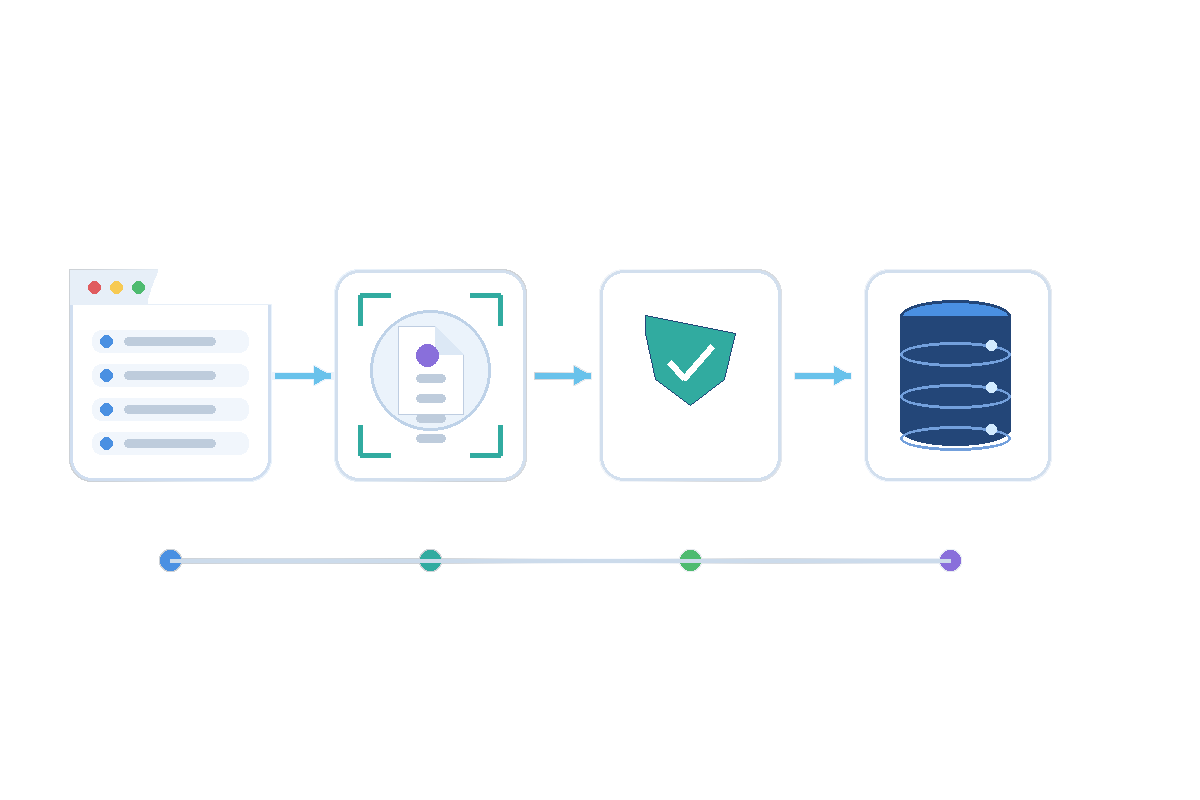
- Step 1
Define the requirements
Share representative filings or filters, required fields, amendment rules, intended use, refresh need, and delivery destination.
- Step 2
Collect the approved filings
Nenodata configures collection against agreed public EDGAR targets where feasible and prepares a representative sample.
- Step 3
Normalize and validate
Filings are parsed and validated so missing values, amendment differences, and collection timestamps remain visible rather than silently overwritten.
- Step 4
Deliver and maintain
Structured outputs are delivered once or on a recurring schedule through formats and destinations agreed during scoping, with maintenance where included in approved scope.
Why choose Nenodata
Review the schema before wider collection
Representative filings, fields, filters, and volume are reviewed through a sample before production scale.
Scope the exact records you need
Collection stays limited to agreed filing types, date ranges, CIK lists, and field groups rather than generic bulk exports.
Keep every record traceable
Accession numbers, source URLs, and collection timestamps stay with each record for audit and review workflows.
Separate source content from transformations
Transformation notes and validation status distinguish normalized values from as-filed source content without asserting filer accuracy.
Reduce internal maintenance ownership
When included in scope, Nenodata maintains agreed handling for source-layout and schema changes rather than shifting every update to internal engineering.
Fit delivery to the existing data workflow
Outputs can be scoped for files, scoped API delivery, webhooks, databases, CRM workflows, and warehouses when destination requirements are agreed.
Delivery and integration
Delivery formats and destinations are agreed during scoping. Options remain conditional on technical feasibility and are not guaranteed before representative testing.
- CSV
- Excel
- JSON
- Scoped API delivery
- Webhooks
- Databases
- Data warehouses
- CRM workflows
- Spreadsheets
- Approved internal applications
Recurring transformation and destination routing may extend through Nenodata custom data pipelines when downstream automation is in scope. Review Nenodata pricing before confirming scope. Scoped API delivery refers to integration-ready payloads agreed during scoping—not a self-serve public Form D API product.
Related resources: Crunchbase Scraper, StockAnalysis Scraper, financial data extraction, and enterprise web scraping.
Frequently Asked Questions
Request a representative filing sample
Share representative Form D sources or filters, required fields, amendment rules, date range, intended use, one-time or recurring need, and preferred output destination so Nenodata can scope the next step.
Include example filings, required fields, filters, cadence, destination, and intended use when you contact Nenodata through the contact flow.