Harris County Court Records Scraper
Nenodata builds and maintains a Harris County Court Records Scraper workflow that structures approved public court-record sources into normalized case datasets for litigation monitoring, probate research, due diligence, legaltech feeds, and delivery into agreed systems.
- Sample-first source and schema review
- Multi-clerk feasibility confirmed before rollout
- Null values and field status preserved in output
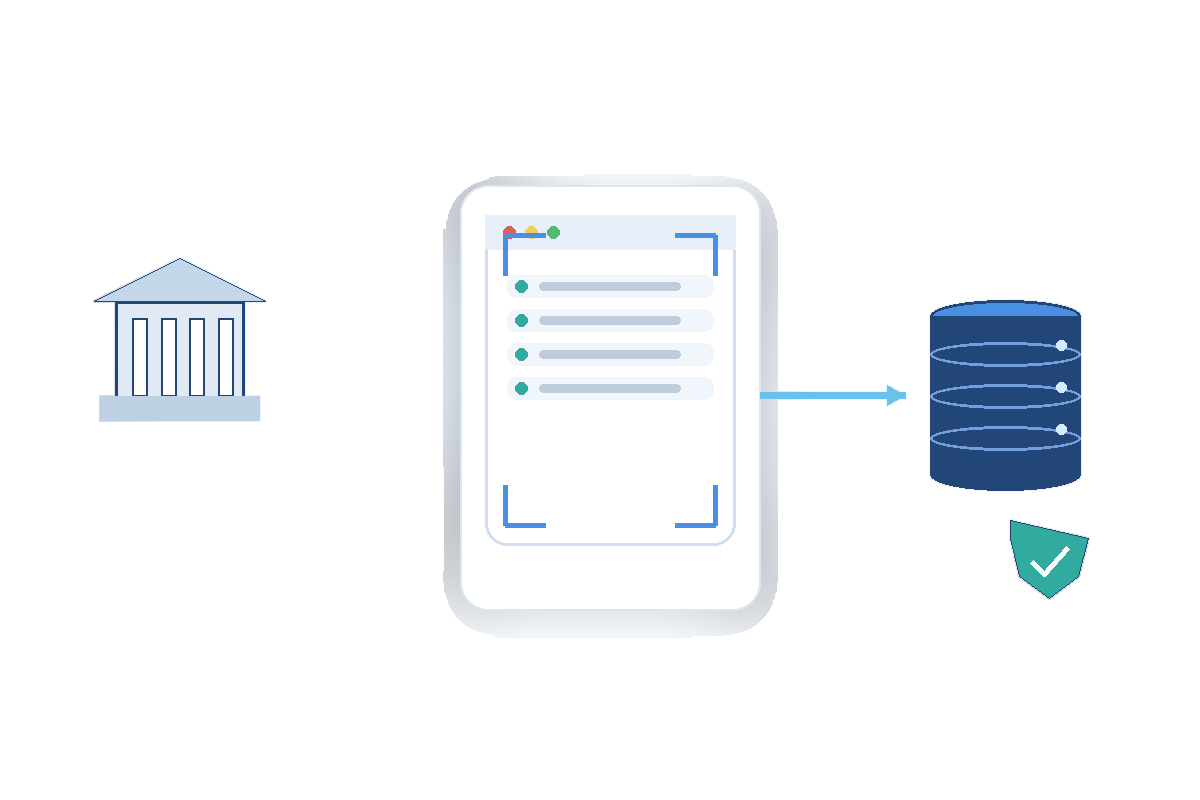
Turn fragmented court searches into a repeatable dataset
Legal, research, and compliance teams often assemble Harris County court intelligence from repeated clerk searches, copied docket lines, and disconnected exports that fall behind when filings update, parties change, or source pages shift layout.
Different clerk systems, inconsistent identifiers, partial public fields, and changing search behavior make one-off scripts difficult to trust for recurring monitoring or downstream application feeds.
A managed workflow defines the approved public source categories first, then maps case identity, parties, events, source references, collection timestamps, and field-availability status into a repeatable schema with transparent missing-value handling.
What the Harris County Court Records Scraper Service Provides
Nenodata scopes extraction around the Harris County public record sources, case fields, validation rules, refresh needs, and delivery destinations required for your workflow.
Engagements may include source category, record references, case metadata, party or representative fields, docket events, source URLs, collection timestamps, validation status, and structured delivery when those elements are publicly available on approved pages and included in the agreed schema.
Collection is limited to approved public sources. Private, credential-gated, login-protected, or otherwise unsuitable pages remain out of scope. Broader managed extraction may extend through enterprise web scraping. Coverage across clerk systems, supported fields, refresh cadence, and destinations must be confirmed during feasibility review.
Illustrative sample output
Review an illustrative case-record schema showing source category, fictional record references, null values, field-status treatment, and collection metadata. Actual deliverable fields require source confirmation before production work begins.
Illustrative example
This preview is illustrative only and is not a confirmed Nenodata deliverable or verified production extract.
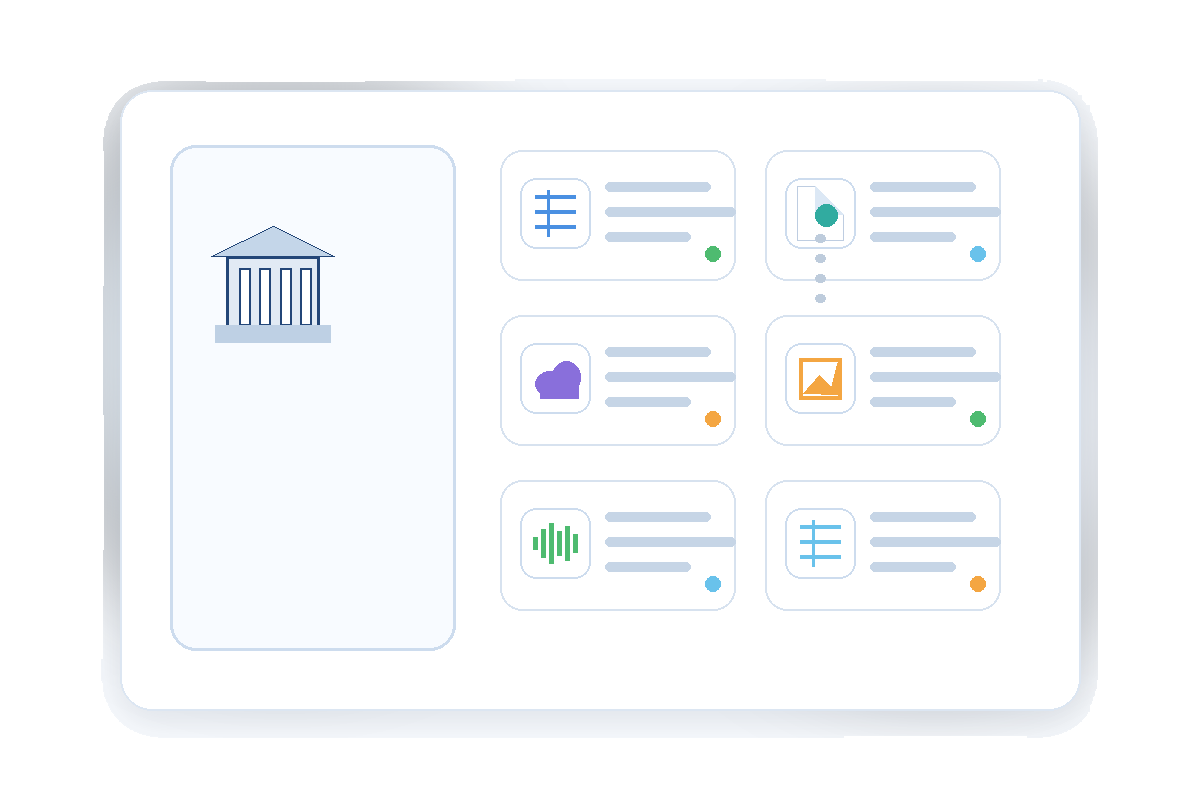
- AvailableExpected when present on the approved public source page
- PartialMay be present for some case types or clerk systems; confirm during scoping
- UnavailableNot expected on the agreed public pages for this engagement
- ExcludedOut of scope — not collected without explicit approved authorization
| Illustrative field | Example value | Treatment |
|---|---|---|
| source_category | District Clerk | Available — Expected when present on the approved public source page |
| record_reference | HC-EXAMPLE-001 | Available — Expected when present on the approved public source page |
| case_type | Civil | Partial — May be present for some case types or clerk systems; confirm during scoping |
| party_name | null | Partial — May be present for some case types or clerk systems; confirm during scoping |
| attorney_name | null | Unavailable — Not expected on the agreed public pages for this engagement |
| filing_date | YYYY-MM-DD | Available — Expected when present on the approved public source page |
| docket_event | null | Partial — May be present for some case types or clerk systems; confirm during scoping |
| source_url | https://example.gov/case/HC-EXAMPLE-001 | Available — Expected when present on the approved public source page |
| collected_at | YYYY-MM-DDTHH:mm:ssZ | Available — Expected when present on the approved public source page |
| validation_status | pass | Available — Expected when present on the approved public source page |
| credential_gated_portal | null | Excluded — Out of scope — not collected without explicit approved authorization |
Source coverage
Harris County public records may span multiple clerk systems and datasets. Coverage is scoped source-by-source; universal access to every court or record type is not claimed.
| Source category | Feasibility status | Scope notes |
|---|---|---|
| County Clerk public records | Subject to feasibility review | Approved pages, searchable inputs, and field availability are confirmed during representative testing. |
| District Clerk case search | Subject to feasibility review | Access behavior, pagination, and field depth vary by division and must be validated before rollout. |
| Published public datasets | Partial where published | Dataset freshness, schema, and historical depth must be confirmed against agreed samples. |
| Credential-gated or private portals | Excluded | Not in scope without explicit approved authorization and permitted-use review. |
Data fields and outputs
Potential field groups depend on the approved Harris County sources, intended use, and technical feasibility confirmed during scoping.
Source and lineage
Source category, source URLs, source publication or observation dates, and collection timestamps when included in the agreed schema.
Search and request context
Search inputs, filters, or request parameters used to scope the approved public record set for the engagement.
Case metadata
Record references, case types, filing dates, and related case-level attributes when publicly displayed on approved pages.
Parties and representatives
Party names, roles, and representative fields only where publicly visible and included in scope. Missing values remain null.
Events and docket metadata
Docket events, hearing dates, or disposition signals when present on approved public pages and mapped in the agreed schema.
Quality and availability fields
Validation status, field-availability flags, and notes explaining partial or missing values for downstream interpretation.
Delivery options
CSV, Excel, JSON, API-oriented records, database loads, warehouse delivery, scheduled files, and webhooks when confirmed for the engagement.
Use cases
Litigation monitoring
Legal teams track structured case activity for scoped matter lists without rebuilding manual clerk searches after each filing update.
Probate research
Research groups review probate-related public records in a normalized schema suited to estate and succession workflows where sources are in scope.
Title and due-diligence research
Title and transaction teams compare case metadata and public docket signals for agreed record types during property and entity diligence.
Legaltech product feeds
Product teams consume validated case records through agreed files or API-oriented delivery after destination and field confirmation.
Public-record research
Analysts assemble scoped Harris County case datasets for investigative or policy research using source-linked records and explicit null handling.
Case-trend analysis
Data teams aggregate filing or event signals across approved case types when historical coverage and refresh cadence are confirmed during scoping.
New-filing and entity monitoring
Operators schedule refreshed extracts for new filings or entity-linked activity when source behavior and contracted maintenance support the agreed cadence.
Who this service is for
This service is for litigation support teams, probate researchers, title and due-diligence analysts, legaltech product groups, data engineers, and public-record research teams that need structured observations from approved Harris County public court sources.
It fits organizations that want sample-first scoping and explicit field-availability treatment rather than maintaining fragile one-off extraction scripts across changing clerk interfaces.
It is not a consumer background-check product, regulated employment-screening service, or credential-bypass program. Restricted uses, private portals, and inappropriate collection requests are declined during scoping.
How it works
The managed workflow follows a sample-first model with a visible feasibility checkpoint before broader collection begins.
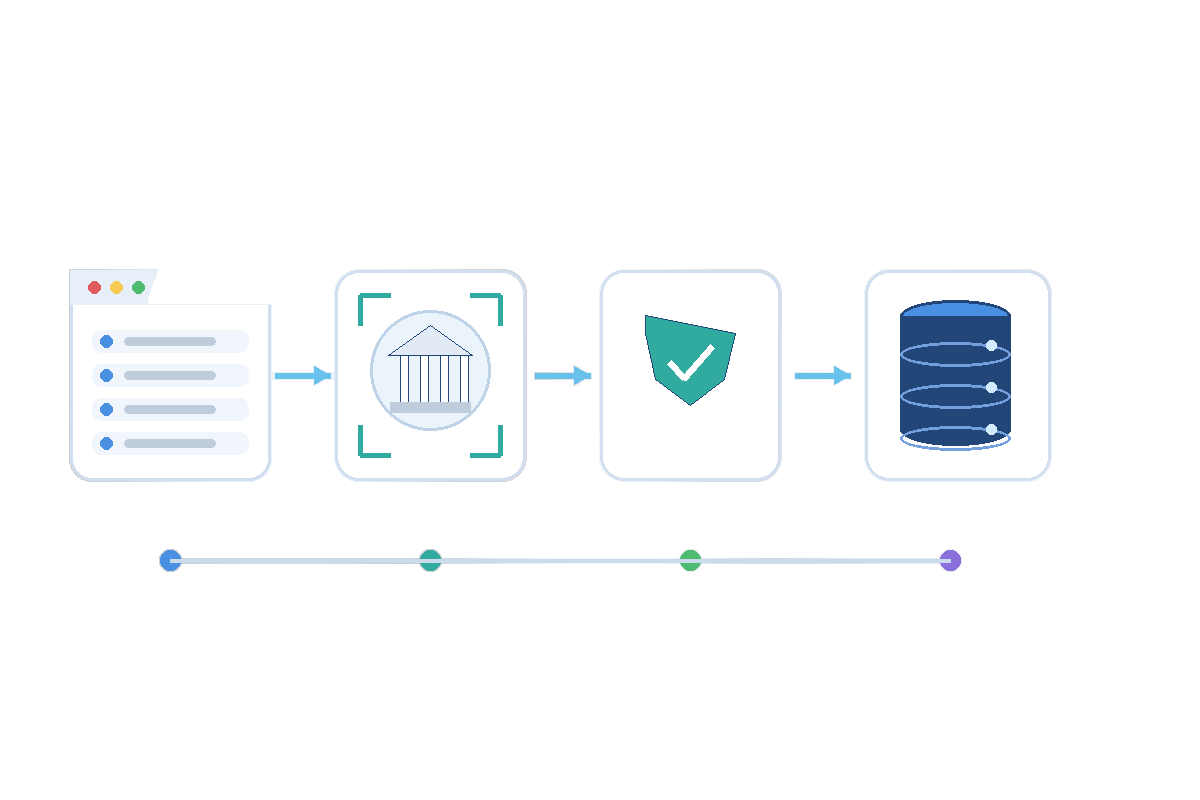
- Step 1
Share your requirements
Share representative source categories, required fields, filters, delivery format, refresh needs, and intended use.
- Step 2
Confirm sources and access
Nenodata validates approved public pages, search behavior, and field availability through representative samples before broader rollout. This step is a required feasibility checkpoint.
- Step 3
Structure and validate
Records are normalized, deduplicated, and validated so case metadata, parties, events, null values, and field-status notes remain distinct in the output.
- Step 4
Deliver and maintain
Structured outputs are delivered through the confirmed method, with maintenance included when contracted.
Why teams choose Nenodata
Source-specific feasibility
County Clerk, District Clerk, and published dataset sources are reviewed individually so teams know which systems can be covered in one scoped workflow.
Sample-first scope confirmation
Representative pages and fields are reviewed before broader collection begins so teams can evaluate output fit early.
Defined schemas
Agreed fields, null handling, and field-availability status make missing data transparent rather than hidden in unstructured exports.
Managed maintenance
When included in scope, Nenodata maintains agreed handling for source-layout and delivery changes through managed web crawling and contracted maintenance rather than shifting every update to internal engineering.
Delivery designed around the workflow
Outputs can be scoped for files, APIs, databases, or warehouse loads through Nenodata custom data pipelines when downstream automation is in scope.
Responsible collection boundaries
Work stays limited to approved public sources and intended uses. Credential-gated access, document downloading, CAPTCHA bypass, and unauthorized collection requests are not offered.
Integrations and delivery
Delivery formats and destinations are agreed during scoping and may include CSV, Excel, JSON, API-oriented records, database delivery, warehouse delivery, scheduled files, and webhooks when supported.
API-oriented delivery may be discussed through Nenodata web scraping API capabilities. Pipeline extensions may use Nenodata custom data pipelines when downstream automation is in scope. Formats, destinations, and maintenance remain subject to feasibility review.
- CSV
- Excel
- JSON
- API-oriented records
- Database delivery
- Warehouse delivery
- Scheduled file delivery
- Webhooks
Related: Chicago building violations scraper · California CSLB contractor scraper · Cook County assessor property scraper
Frequently Asked Questions
Request a scoped data sample
Share representative source categories, required case fields, refresh cadence, expected volume, intended use, and preferred delivery destination so Nenodata can scope the next step.
Include business contact details with representative URLs, required fields, desired cadence, expected volume, and preferred delivery destination when you view pricing or contact Nenodata.