Chicago Building Violations Scraper
Nenodata's Chicago Building Violations Scraper turns approved public Chicago violation records into a cleaned, structured feed scoped to your filters, fields, refresh schedule, and destination.
- Sample-first source and field scoping
- Structured records with source metadata
- One-time or recurring delivery where scoped
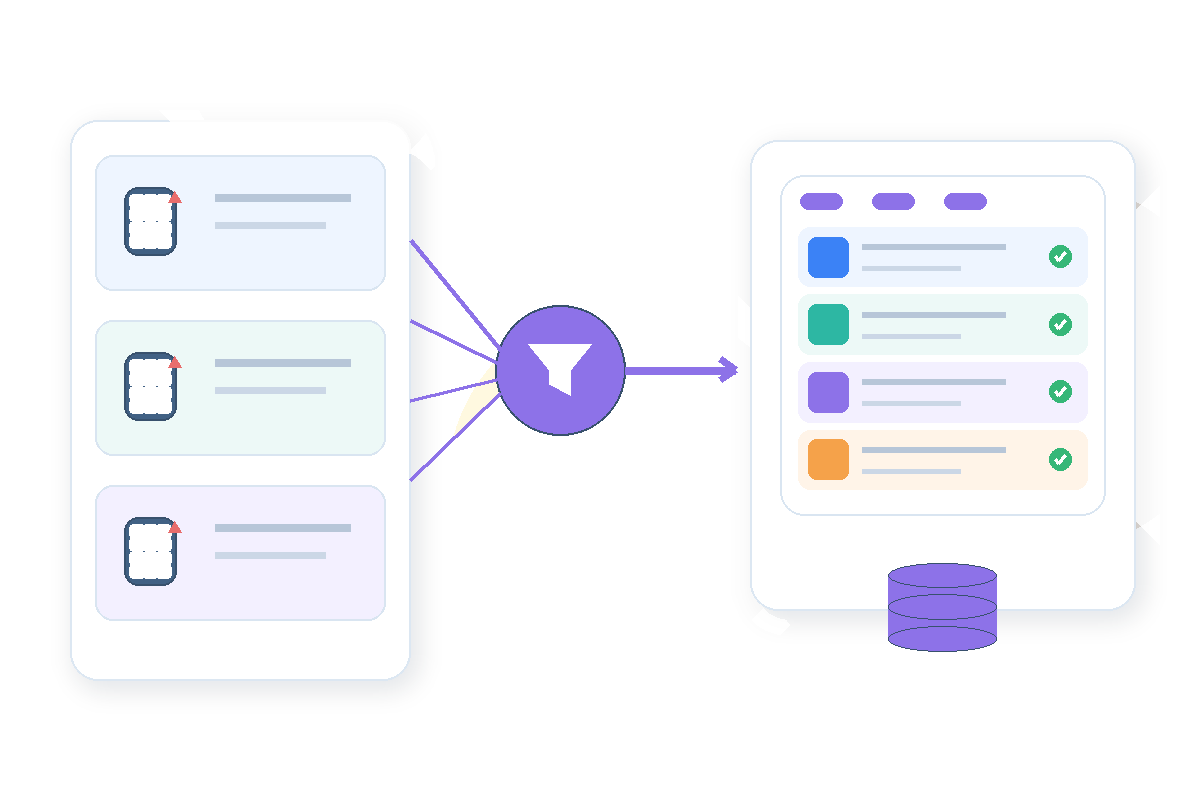
Manual Lookups and Raw Exports Do Not Support Recurring Workflows
Teams building Chicago building violation data products often rely on one-property portal lookups, manual exports, and spreadsheets that fall behind when filters, field labels, or source layouts change.
Raw municipal records still need building violation data extraction work—field naming, dates, addresses, statuses, identifiers, and location values may require normalization before records can enter analytics or product systems.
Internal collectors add operational ownership: monitoring, maintenance, error handling, and schema management distract product and data teams from using the records in research, monitoring, and enrichment workflows.
What the Chicago Building Violations Scraper Delivers
Nenodata scopes managed building violation data extraction around approved public sources, required fields, filters, validation rules, refresh cadence, and delivery destinations for property research, monitoring, enrichment, and analytics workflows.
Engagements may include record identity, address and location context, violation details, inspection or status signals where publicly shown, source references, collection timestamps, and validation metadata when those elements are included in the agreed schema.
Collection is limited to approved public municipal records. Login-protected, private, restricted, or transaction-grade closing determinations remain out of scope. Broader programs may extend through Nenodata managed web scraping services. Source sets, fields, filters, cadence, and destinations must be confirmed during feasibility review.
Chicago violations vs other public-record sources
Use this page for Chicago building-violation records. Use NYC permits or Harris County courts when the job is a different municipal dataset.
| Source | Best for | Learn more |
|---|---|---|
| Chicago building violations | Chicago code violations: address, ward, status, inspection date | This service |
| NYC building permits | New York City permit and filing records | NYC permits |
| Harris County courts | Texas public court-case records | Harris County courts |
Illustrative Sample Output
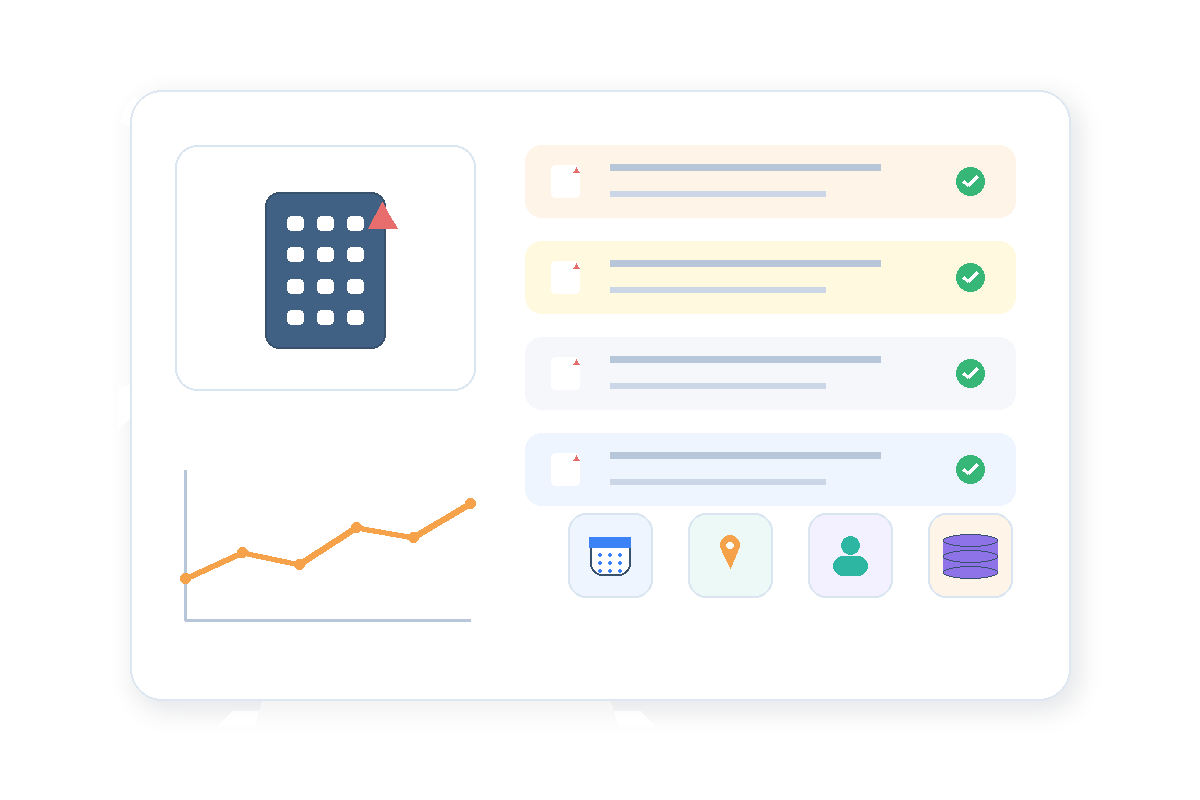
Review a synthetic violation record with source reference, observation timestamp, explicit null handling, and validation status before broader production begins.
Illustrative example — final fields and structures are confirmed during scoping.
This sample is illustrative only and is not a live customer record, production API response, approved deliverable, or guaranteed schema for every approved source.
{
  "record_id": "CHI-VIO-884201",
  "inspection_number": "INS-2026-1001",
  "violation_code": "CN131015",
  "violation_description": "Failed to maintain exterior wall in good repair",
  "property_address": "2400 W Division St",
  "ward": "1",
  "violation_date": "2026-07-18",
  "record_status": "Open",
  "source_url": "https://data.cityofchicago.org/violations/CHI-VIO-884201",
  "source_reference": "data.cityofchicago.org",
  "collected_at": "2026-08-12T13:40:11Z",
  "validation_status": "passed",
  "exception_reason": null
}
Illustrative Data Fields and Outputs
Illustrative field groups — final availability depends on source feasibility and project scope.
Potential field groups depend on the approved public source, agreed schema, and technical feasibility confirmed during scoping.
Record identity
Inspection or record identifiers, violation codes, and related public labels where displayed and included in scope.
Address and location
Property address components, ward, community area, or related location context where publicly available and agreed during scoping.
Violation details
Violation descriptions, code labels, and related public detail fields where shown on approved source pages.
Inspection and status context
Inspection dates, posted statuses, or related public status signals where available. Not a substitute for official enforcement or court outcomes.
Source and collection metadata
Source URLs, source references, collection timestamps, validation status, and exception notes so reviewers can trace each structured record.
Scoped delivery options
CSV, Excel, JSON, API-oriented payloads, webhooks, databases, CRM workflows, and warehouse-ready files only after project-level confirmation.
Use Cases
Property research datasets
Research teams assemble scoped violation observations for market and property-context analysis without treating historical public records as transaction-grade evidence.
Portfolio monitoring
Property operations teams refresh agreed violation fields for selected portfolios when recurring delivery is contracted and source behavior supports it.
PropTech product enrichment
Product teams supplement internal property records with source-linked violation context where approved fields fit the product workflow.
Geographic or ward-level analysis
Analytics teams group normalized records by ward, community area, or other agreed geography fields for internal reporting workflows.
Property violation monitoring
Teams monitor scoped violation signals for agreed property sets when refresh cadence, filters, and field availability are confirmed during sample review.
Historical trend analysis
Analysts study scoped historical public observations for internal research while preserving source timestamps and limitation language.
Internal compliance workflow support
Operations teams use structured public records for internal review workflows. The service does not provide legal determinations, enforcement outcomes, or investment recommendations.
Who This Service Is For
This service is for PropTech product and data teams, real estate research and investment groups, property-management technology providers, municipal-data vendors, and internal data engineering teams that need structured Chicago violation observations with sample-first scoping.
It is not positioned for individual one-off lookups, official closing or title determinations, legal representation, or buyers seeking transaction-grade due diligence from historical public records alone.
Broader property-data programs may also use Nenodata real estate data API capabilities where property-data packaging fits the broader workflow.
Managed Workflow
The broader delivery pattern is described in how Nenodata delivers data.
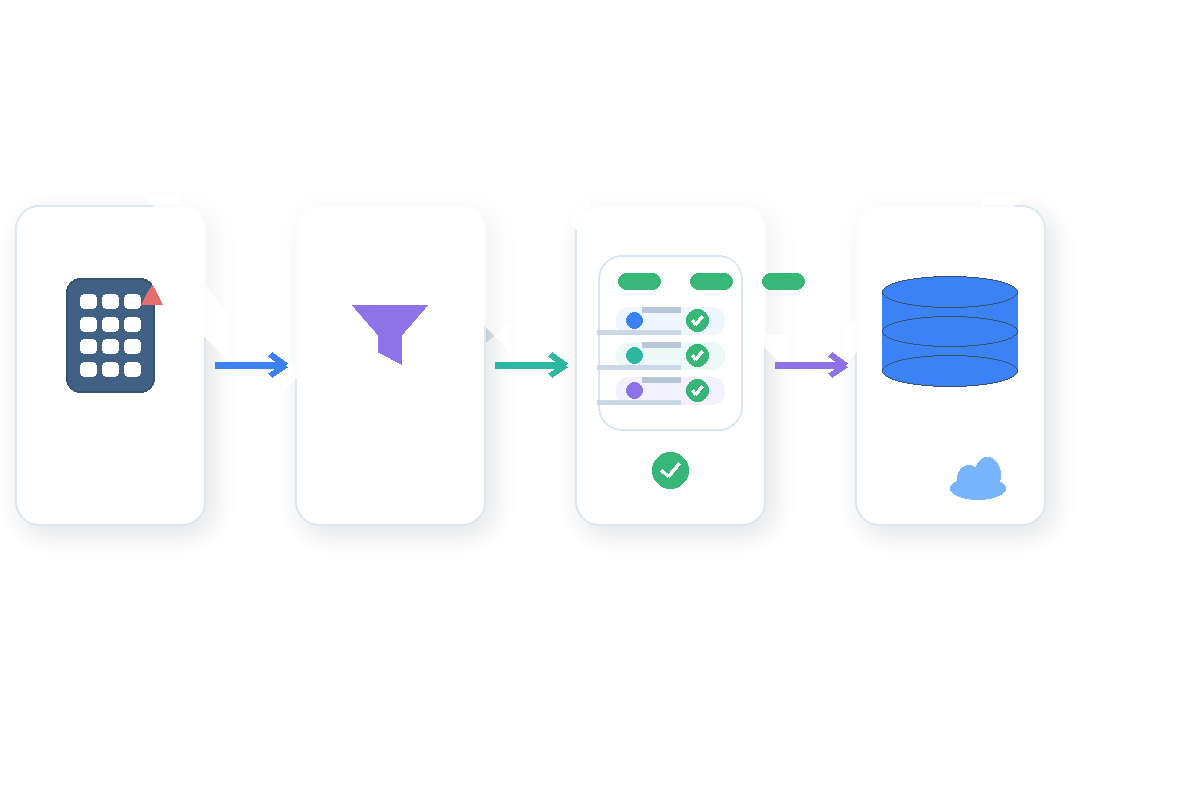
Share your requirements
Share representative sources or page types, geography, required fields, filters, intended use, cadence, and delivery destination.
Confirm source and feasibility
Nenodata reviews approved public sources, field availability, and delivery feasibility through a representative sample before broader rollout.
Extract, normalize, and validate
Records are normalized and validated so missing values, source references, timestamps, and exception statuses remain visible.
Deliver and maintain
Structured outputs are delivered through the agreed method, with maintenance included when contracted. Recurring transformation may use custom data pipelines when downstream automation is in scope.
Why Choose Nenodata
Broader data extraction services and data extraction pricing context is available for teams comparing engagement models.
Sample-first field confirmation
Teams review a representative sample that shows field availability and filter behavior before broader collection commitments.
Requirements-led schema
Field names, null handling, and destination mapping are planned around your database, product, analytics, or CRM structure rather than a generic export.
Validation and exception visibility
Agreed validation rules and exception reporting help teams assess records responsibly rather than treating incomplete observations as confirmed facts.
Responsible source review
Work stays limited to approved public sources with transparent historical-data limitations rather than overstating what public records can support.
Managed operational ownership
When included in scope, Nenodata maintains agreed handling for source and schema changes through managed extraction rather than shifting every update to internal engineering.
Workflow-ready delivery
Outputs can be scoped for files, API-oriented handoffs, webhooks, databases, CRM workflows, and warehouses when destination requirements are confirmed during scoping.
Integrations and Delivery
Delivery methods are agreed during scoping. Options remain conditional on technical feasibility and are not guaranteed before representative testing.
Confirmed engagements may include CSV, Excel, JSON, API-oriented delivery, webhooks, databases, CRM workflows, and data warehouses when destination requirements are confirmed. A ready-made Chicago code violations API product is not claimed on this page; API-oriented handoffs may extend through Nenodata web scraping API capabilities where integration packaging is in scope.
Related public-record and compliance resources: Cook County assessor property scraper, California CSLB contractor scraper, and business directory data extraction services.
Source Limitations and Responsible Use
This service works with approved public municipal data only. Nenodata is an independent data-services provider and is not affiliated with, endorsed by, or authorized by the City of Chicago or any municipal agency named on this page.
Underlying public violation records are historical municipal observations. They must not be represented as transaction-grade title evidence, official closing confirmation, court outcomes, or current enforcement status without independent verification.
Customers remain responsible for confirming that collection, storage, and downstream use are permitted for each source and workflow. Source terms, attribution requirements, and permitted commercial uses must be reviewed during scoping.
Frequently Asked Questions
Municipal open data scraping workflows may also be discussed during scoping when public-source boundaries and intended use are confirmed.
Review Your Violation-Data Requirement
Share representative public sources or URLs, required geography, date range, violation categories, fields, filters, intended use, one-time or recurring need, and preferred output destination.
Include source examples, required fields, filters, cadence, destination, and intended use. To discuss scope, discuss your data requirements through the contact flow.