NYC Building Permits Scraper for Structured DOB Data
Nenodata configures and manages a NYC Building Permits Scraper workflow that consolidates agreed public DOB and NYC Open Data permit records into normalized outputs scoped to your fields, filters, refresh schedule, and destination.
- Agreed public permit sources
- Normalized records with exceptions visible
- One-time or recurring delivery where feasible
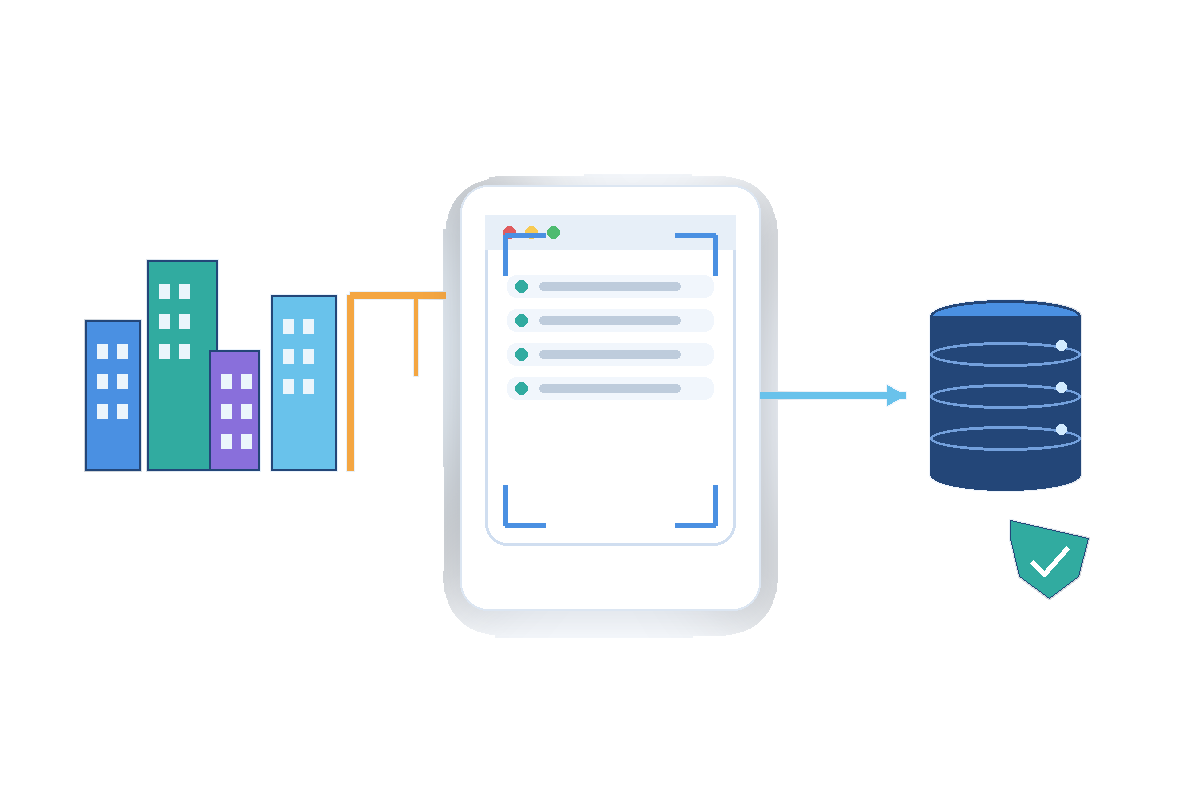
Turn Fragmented Permit Records Into Usable Data
Construction, PropTech, and research teams often assemble NYC permit context from separate DOB NOW views, BIS-era exports, and one-off open-data downloads that use different identifiers, status labels, and date conventions.
Raw public records still need reconciliation before they can support recurring monitoring, territory analysis, or product enrichment. Missing owner, applicant, or contractor fields and inconsistent location values create downstream rework when teams treat incomplete rows as complete coverage.
Internal scripts add maintenance overhead when source layouts, permit categories, or historical record paths change. Teams need a managed workflow that keeps source references, validation notes, and collection timestamps visible rather than hiding gaps behind silent defaults.
What the NYC Building Permits Scraper Provides
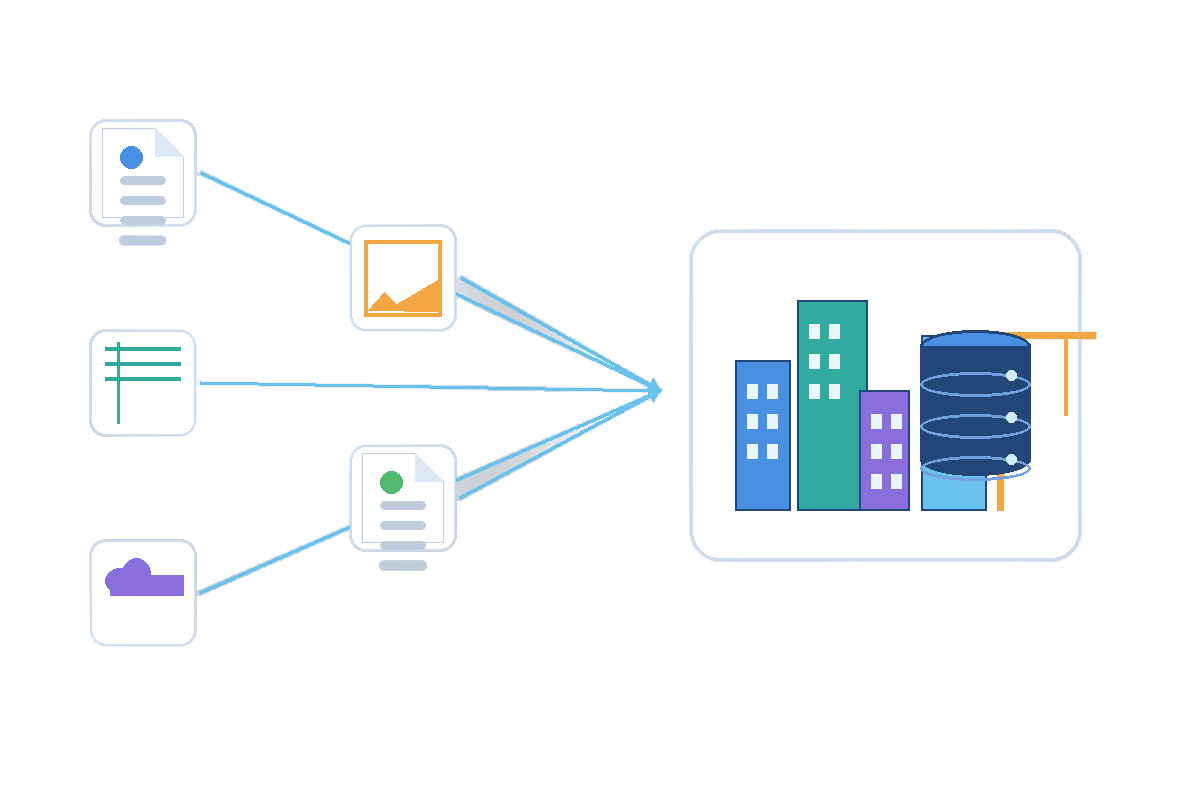
Nenodata scopes managed permit-data collection around approved public NYC Department of Buildings and NYC Open Data sources, required fields, borough or ZIP filters, validation rules, refresh cadence, and delivery destinations before production work begins.
Depending on approved scope, outputs may include permit identity, property and location context, project and work details, lifecycle dates, applicant or contractor-related public fields where shown, source references, collection timestamps, and validation metadata when those elements are included in the agreed schema.
Coverage across DOB NOW, BIS-era, and historical datasets depends on source feasibility and intended use. Broader managed programs may extend through Nenodata fully managed web scraping services and recurring transformation through Nenodata custom data pipelines when downstream automation is in scope. Source sets, fields, cadence, and destinations are agreed during scoping.
Representative Output
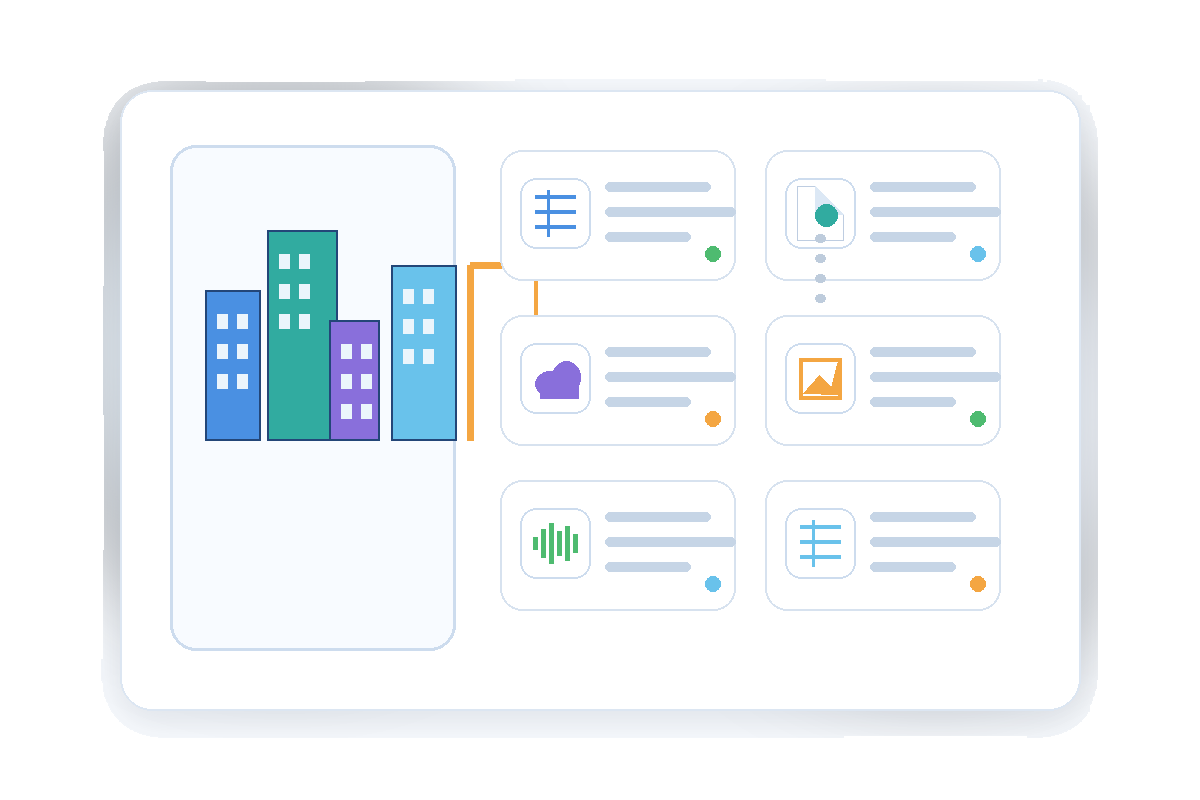
Review a permit field schema with source, status, location, work-type, date, and validation columns.
Illustrative example
| Field | Illustrative role | Availability |
|---|---|---|
permit_number | Public permit reference where displayed | Conditional |
source_system | DOB NOW, BIS-era, or approved dataset label | Conditional |
borough | Borough or city context where shown | Conditional |
block_lot | Tax block and lot where publicly available | Conditional |
address | Street address or location text | Conditional |
work_type | Work-type or trade label where displayed | Conditional |
permit_status | Public status label on observed record | Conditional |
filed_date | Filed or submitted date where shown | Conditional |
issued_date | Issued date where displayed | Conditional |
applicant_name | Applicant or permittee label where public | Conditional |
owner_name | Owner-related public field where shown | Conditional |
contractor_name | Contractor-related public field where shown | Conditional |
source_url | Source reference for audit review | Displayed |
collected_at | Collection timestamp | Displayed |
validation_status | Agreed validation label | Displayed |
field_availability_note | Missing or ambiguous value explanation | Displayed |
Data Fields and Delivery Outputs
Potential field groups depend on approved public sources, agreed schema, and technical feasibility. Groups below are not guarantees of coverage.
Permit Identity and Source References
Permit numbers, job numbers, source-system labels, and source URLs where publicly displayed and included in scope.
Property and Location
Address components, borough, block and lot, ZIP code, and related location context where publicly available.
Project and Work Details
Work type, permit category, project descriptions, and related public detail fields where shown on agreed pages or datasets.
Permit Lifecycle and Dates
Filed, issued, expired, or related public date signals where displayed—not assumed for every record.
Applicant, Owner, and Contractor-Related Fields
Applicant, owner, permittee, or contractor-related public labels only when shown and approved for the intended use.
Collection and Validation Metadata
Collection timestamps, field-availability notes, validation status, duplicate-review markers, and exception notes.
Delivery Options
CSV, Excel, JSON, API-ready files, scheduled feeds, webhooks, databases, CRM workflows, and warehouse delivery when agreed during scoping.
Use Cases
Construction Activity Monitoring
Monitor scoped permit observations for agreed geographies and work types with collection timestamps for later comparison.
Development and Investment Research
Support internal research libraries with structured permit records while preserving source references and limitation language.
Territory and Market Analysis
Group normalized permit observations by borough, ZIP code, or other agreed geography fields for internal reporting workflows.
Contractor and Project Research
Review contractor- or project-related public fields where displayed and included in the scoped schema.
PropTech Product Enrichment
Supplement internal property records with permit context through Nenodata Real Estate API packaging when approved fields fit the product workflow and intended use is agreed during scoping.
Trade-Specific Opportunity Monitoring
Track scoped work-type or trade signals for agreed permit categories when filters and field availability are confirmed during sample review.
Historical Permit Analysis
Study scoped historical public observations for internal analysis while preserving BIS-era and DOB NOW limitation language.
Who This Is For
This service is for PropTech product and data teams, real estate research and investment groups, construction-intelligence vendors, contractor-research teams, and internal data engineering groups that need structured NYC permit observations with sample-first scoping.
It is not positioned for official closing determinations, legal due diligence substitutes, unrestricted personal-contact outreach lists, or buyers seeking guaranteed complete historical coverage without source review.
Enrichment programs may also use Nenodata lead generation and enrichment workflows only when enrichment boundaries and intended use are separately approved—not as a default deliverable on this page.
Broader municipal and property programs may also review Nenodata data extraction services.
How It Works
The broader delivery pattern is described in how Nenodata works.
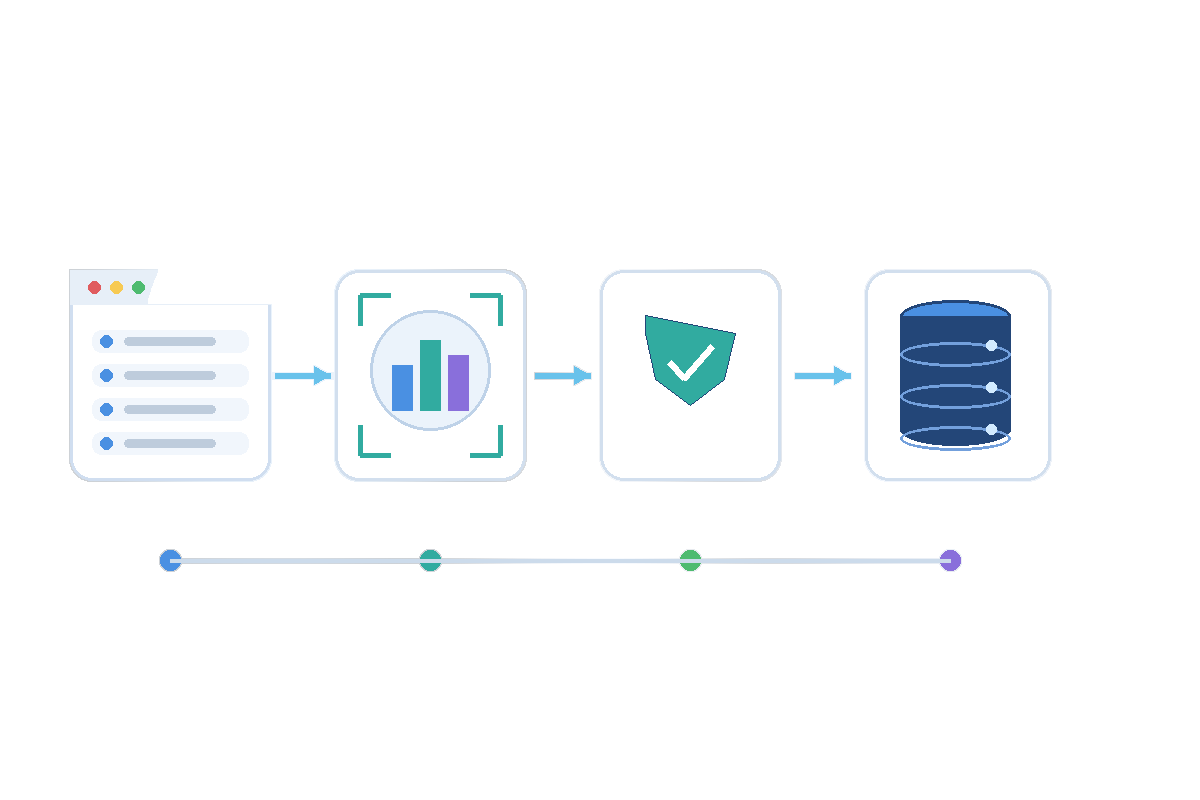
- Step 1
Connect — Define the Requirement
Share representative sources or datasets, required fields, borough or ZIP filters, intended use, refresh need, and delivery destination.
- Step 2
Extract — Collect Approved Sources
Nenodata configures collection against agreed public targets, including DOB NOW, BIS-era, or other approved datasets where feasible, and prepares a representative sample.
- Step 3
Transform — Normalize and Validate
Records are normalized and validated so missing values, source-system differences, and collection timestamps remain visible rather than silently overwritten.
- Step 4
Deliver — Supply and Maintain the Workflow
Structured outputs are delivered once or on a recurring schedule through formats and destinations agreed during scoping, with maintenance where included in approved scope.
Why Teams Choose Nenodata
Public Records Made Operational
Nenodata handles source reconciliation, schema management, and agreed maintenance so teams use structured permit records instead of rebuilding exports after every source change.
Sample-First Coverage Review
Representative sources, fields, borough or ZIP filters, and volume are reviewed through a sample before production scale.
Missing Fields Stay Visible
Field-availability notes, validation status, and exception handling stay with each record when values cannot be confirmed on observed pages or datasets.
Managed Maintenance Scope
When included in scope, Nenodata maintains agreed handling for source-layout and schema changes rather than shifting every update to internal engineering.
Destination-Ready Delivery
Outputs can be scoped for files, API-ready structures, scheduled feeds, webhooks, databases, CRM workflows, and warehouses when destination requirements are agreed.
Responsible Source Review
Work stays limited to approved public sources and intended uses reviewed during scoping. Private, login-protected, and restricted sources remain out of scope.
Delivery and Integration
File Delivery
CSV, Excel, and JSON files for manual review, reporting, and downstream processing when agreed during scoping.
API-Ready Output
Structured record files prepared for programmatic consumption where API-ready handoffs are confirmed. This is not a hosted Nenodata API product.
Scheduled and Direct Destinations
Scheduled files, webhooks, databases, CRM workflows, and warehouse delivery when technically feasible and included in approved scope.
Related: Chicago building violations scraper · Harris County court records scraper · Cook County assessor property scraper
Frequently Asked Questions
Request a Representative Sample
Share representative NYC permit sources or datasets, required fields, borough or ZIP filters, date range, intended use, one-time or recurring need, and preferred output destination so Nenodata can scope the next step.
Include source examples, required fields, filters, cadence, destination, and intended use when you contact Nenodata or review pricing before confirming scope.