Martindale Law Firm Scraper for Directory Profiles
Nenodata manages a Martindale Law Firm Scraper workflow that collects, cleans, and delivers structured public firm and attorney records from agreed legal-directory pages for research, enrichment, and market analysis.
Nenodata is an independent data-services provider and is not affiliated with Martindale-Hubbell or any legal-directory publisher.
- Sample-first coverage review
- Requirements-led firm and attorney schema
- One-time or recurring delivery where scoped
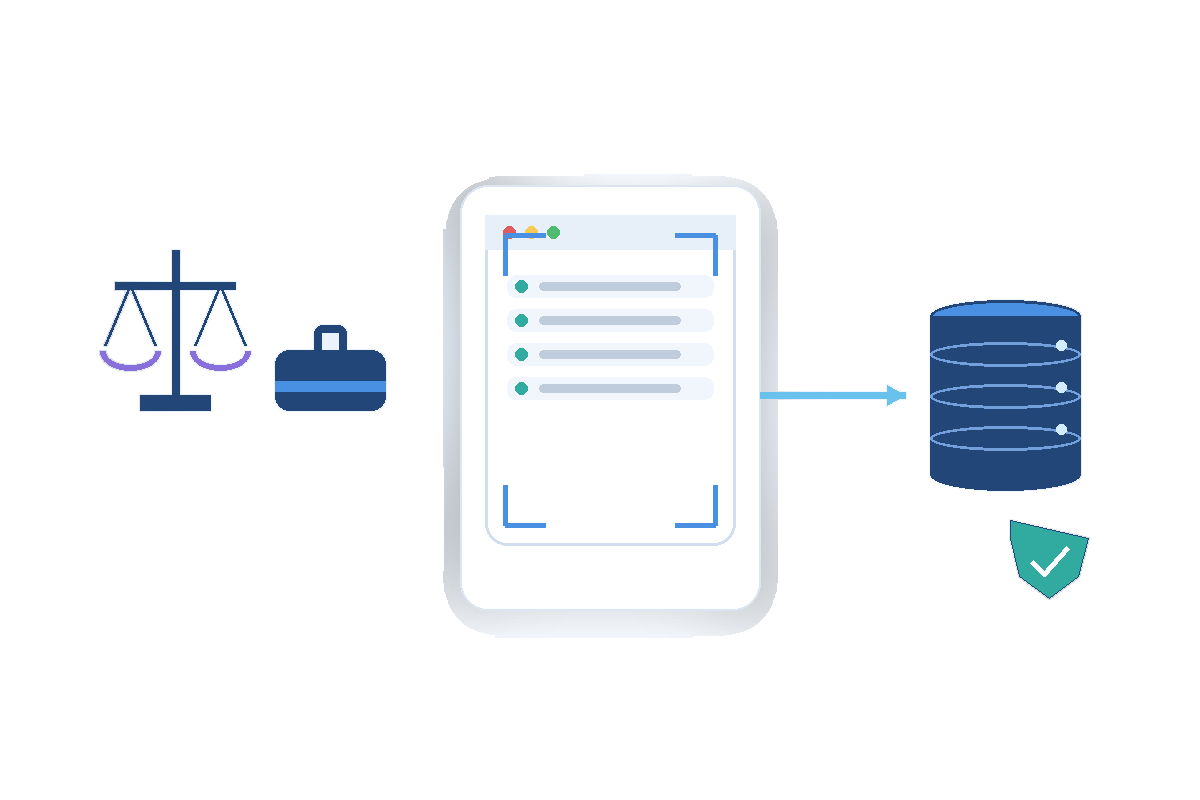
Replace Repetitive Directory Research With Structured Records
Legal-market, research, and data teams often repeat directory searches, copy inconsistent firm and attorney fields into spreadsheets, and lose track of practice-area, location, and relationship context as pages change.
Fragile scripts struggle with pagination, layout shifts, and firm-to-attorney relationships that need stable identifiers, source URLs, and exception visibility rather than silent gaps in exported rows.
A managed workflow defines agreed public pages, required fields, and delivery first—then maps firm identity, attorney context, practice areas, locations, and collection metadata into a maintainable schema for research and operational use.
A Managed Martindale Data-Extraction Workflow
Nenodata scopes managed collection around agreed publicly visible legal-directory pages, required firm and attorney fields, geography, validation rules, refresh needs, and delivery destinations before production collection begins.
Depending on approved scope, outputs may include firm identity, attorney context, practice areas, locations, public directory signals where shown, source references, collection timestamps, and validation metadata when those elements are included in the agreed schema.
Engagements begin with representative URLs or filters and a sample review. Coverage and field availability depend on public page content and agreed scope. Broader programs may extend through Nenodata fully managed web scraping services. Source sets, fields, filters, cadence, and destinations are agreed during scoping.
Martindale vs other directory sources
Use this page for public law-firm and attorney directory records. Use ThomasNet for industrial suppliers, or business-directory extraction for local listings.
| Source | Best for | Learn more |
|---|---|---|
| Martindale | Law-firm name, city/state, practice areas, attorney display name | This service |
| ThomasNet | Industrial supplier directory records and sourcing data | ThomasNet scraper |
| Business directories | Local business listing extraction and category records | Directory extraction |
Representative Sample Output
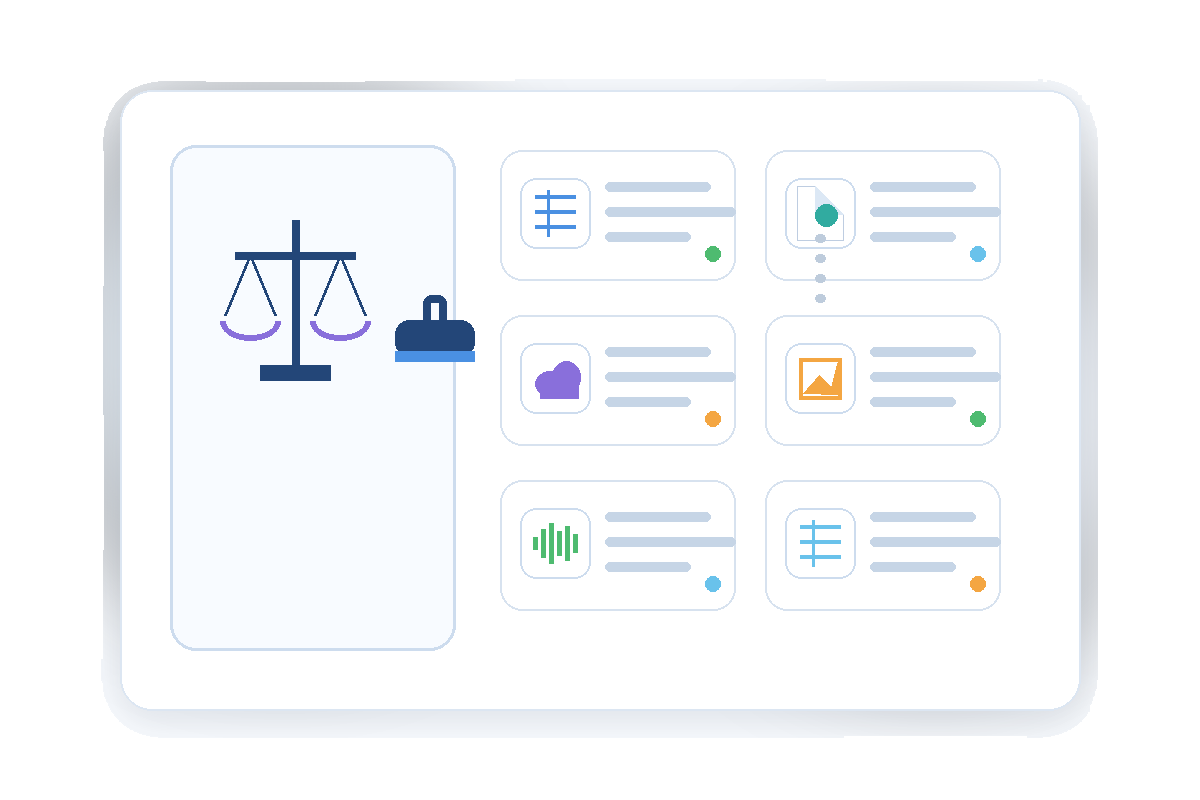
Review an illustrative firm-and-attorney record with source URL, identity fields, practice context, collection timestamp, and field-availability notes.
Illustrative example
{
  "firm_id": "hill-country-counsel",
  "firm_name": "Hill Country Counsel",
  "source_url": "https://www.martindale.com/organization/hill-country-counsel-austin-tx/",
  "city": "Austin",
  "state": "TX",
  "practice_areas": ["Corporate", "Real estate"],
  "attorneys": [
    {
      "attorney_id": "maya-ellison",
      "display_name": "Maya Ellison",
      "title": null,
      "source_url": "https://www.martindale.com/attorney/maya-ellison-austin-tx/"
    }
  ],
  "phone_public": null,
  "website_public": null,
  "collected_at": "2026-08-12T14:12:33Z",
  "field_availability": {
    "phone_public": "not_observed",
    "website_public": "not_observed",
    "title": "not_observed"
  },
  "validation_status": "pass_with_exceptions"
}
Potential Data Fields and Delivery Outputs
Field groups depend on publicly visible page content and the agreed schema. Ratings, reviews, bar details, education, and related profile fields are included when publicly shown and scoped.
| Field | Availability |
|---|---|
| firm_name | Often available |
| attorney_display_name | Often available |
| practice_areas | Often available |
| location | Often available |
| phone_public | Page-dependent |
| website_public | Page-dependent |
| ratings_or_reviews | Not assumed |
| Not assumed from source |
Firm identity
Firm names, source identifiers, and related public identity labels where displayed on agreed directory pages.
Attorney context
Attorney display names, titles, and profile references where publicly shown and included in the agreed schema.
Practice areas and locations
Practice-area labels, city, state, and related location context where publicly displayed.
Public directory signals
Public phone numbers, websites, and related directory signals when publicly shown and included in the agreed schema.
Collection metadata and quality controls
Source URLs, collection timestamps, field-availability notes, validation status, and exception handling for audit review.
Delivery outputs
CSV, Excel, JSON, API-ready records, webhooks, databases, CRM imports, and warehouse delivery when agreed during scoping.
Use Cases
Legal-market mapping
Build structured firm and attorney observations for market maps where agreed public pages and fields support the workflow.
Practice-area and territory research
Combine practice-area and location signals for territory research without treating missing fields as complete coverage.
Directory monitoring
Monitor agreed directory pages on a scoped cadence with exception visibility when listings change or fields are unavailable.
Legal-tech database development
Feed normalized firm and attorney records into legal-tech databases where redistribution and display rights are agreed during scoping.
CRM and account enrichment
Append public directory context to internal accounts through Nenodata lead generation and enrichment or custom delivery paths when matching rules and intended use are approved—not for unrestricted outreach lists.
Recruiting and lateral-market research
Support recruiting research with structured public attorney observations subject to responsible-use review—not as a source of private or login-protected records.
Competitor-footprint analysis
Compare firm footprints across practice areas and locations where publicly displayed fields are included in the scoped schema.
Multi-source legal-directory research
Combine Martindale-scoped observations with other approved public directory sources when multi-source coverage is confirmed during scoping.
Who This Service Is For
This service fits legal-market researchers, legal-tech product teams, data engineers, recruiting analysts, and operations groups that need structured public firm and attorney records with sample-first scoping and traceability metadata.
It supports organizations that prefer managed collection, normalization, and delivery over maintaining brittle internal scripts across changing directory layouts and relationship structures.
This page does not offer private information, login-protected records, sensitive profiling, unrestricted outreach lists, or guaranteed field coverage. Broader context is available when you data extraction services.
How the Martindale Law Firm Scraper Workflow Works
The delivery pattern aligns with how Nenodata works across managed directory engagements.
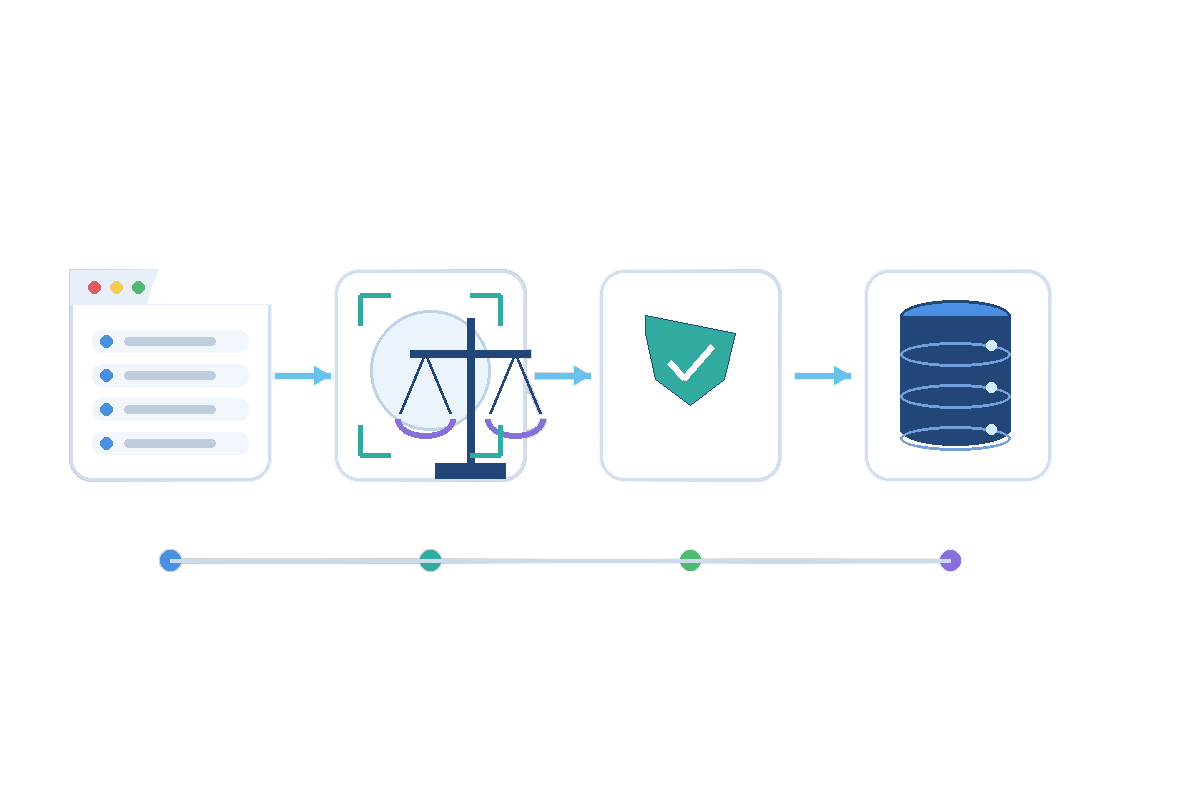
- Step 1
Share the requirements
Share representative search, firm, or attorney URLs, required fields, geography, intended use, refresh need, and delivery destination.
- Step 2
Configure collection and prepare a sample
Nenodata maps public-page coverage and field availability, configures collection against agreed targets, and prepares a representative sample.
- Step 3
Clean, normalize, and review exceptions
Records are normalized and validated so missing values, firm-attorney relationships, and collection timestamps remain visible rather than silently overwritten.
- Step 4
Deliver the agreed output
Structured outputs are delivered once or on a recurring schedule through formats and destinations agreed during scoping and sample review.
Why Choose Nenodata
Sample-first coverage review
Representative pages, fields, geography, and volume are reviewed through a sample before production scale.
Build the schema around the use case
Field names, relationship rules, and destination mapping are planned around your workflow rather than forcing downstream reshaping of a fixed export.
Keep missing and uncertain fields visible
Field-availability notes, validation status, and exception handling stay with each record when values are missing or ambiguous on observed pages.
Reduce source-specific maintenance work
When included in scope, Nenodata maintains agreed handling for directory-layout and schema changes rather than shifting every update to internal engineering.
Prepare data for the destination
Outputs can be scoped for files, API-ready structures, CRM imports, and warehouse handoffs when destination requirements are agreed during scoping.
Responsible source scoping
Intended use, public-data limits, and enrichment boundaries are defined during scoping so private, restricted, or unsupported use cases remain out of scope.
Delivery and Integrations
Formats and destinations follow the agreed scope. Engagements may include files and spreadsheets, databases and warehouses, CRM workflows, API-ready records and webhooks, and custom data pipelines when destination requirements are agreed during scoping. API-ready structures describe record shape for integration—not a promise of a hosted live API endpoint.
For commercial context, review Nenodata plans and custom pricing when planning scope, refresh cadence, and destination requirements.
- Files and spreadsheets
- Databases and warehouses
- CRM workflows
- API-ready records and webhooks
- Custom pipelines
Related: business directory data extraction · firmographic data extraction · GuideStar / ProPublica nonprofit scraper
Frequently Asked Questions
Request a Representative Sample
Share representative search, firm, or attorney URLs, required fields, geography, intended use, one-time or recurring need, and preferred output destination so Nenodata can scope the next step.
Include representative sources, required fields, cadence, destination, and intended use when you contact Nenodata through the contact flow.