ThomasNet Industrial Supplier Scraper for Profile and Capability
Nenodata operates a ThomasNet Industrial Supplier Scraper workflow that collects agreed publicly visible supplier information and prepares structured records for sourcing, market research, CRM enrichment, and analytics.
- Sample-first field validation
- Requirements-led supplier schema
- One-time or recurring delivery where scoped
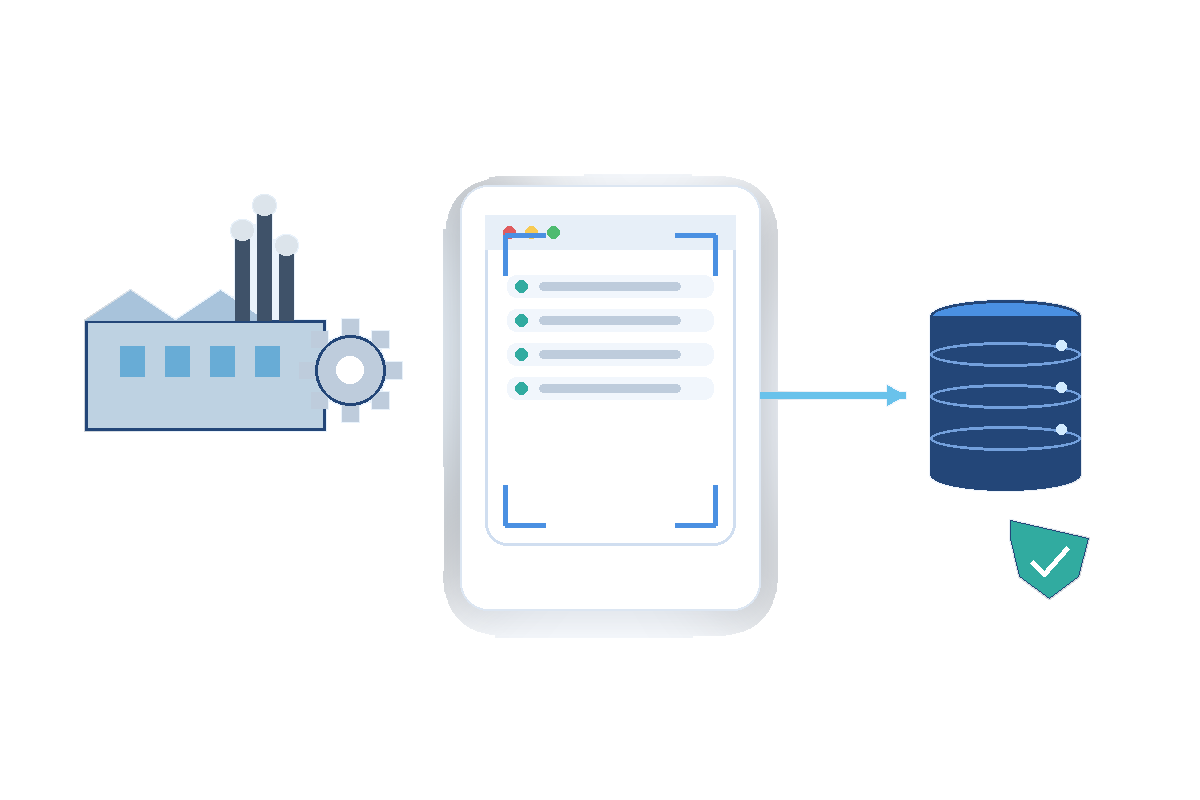
Manual Supplier Research Creates Incomplete, Fragile Records
Sourcing, procurement, and market-research teams often assemble supplier lists through repeated directory searches, spreadsheet copying, and one-off exports that fall behind when categories, certifications, or contact fields change.
Fragile scripts struggle with pagination, listing-to-profile relationships, and missing values that downstream systems treat as complete records. Teams need stable field definitions, visible exception handling, and outputs that move into CRM, database, and analytics workflows without rebuilding exports after every source change.
What the ThomasNet Industrial Supplier Scraper Provides
Nenodata scopes managed collection around agreed publicly visible supplier search, category, listing, and profile pages, required fields, geography, validation rules, refresh needs, and delivery destinations before production collection begins.
Depending on approved scope, outputs may include supplier identity, location and coverage, products and capabilities, certifications and company attributes, public contact information where shown, source references, collection timestamps, and validation metadata when those elements are included in the agreed schema.
Engagements begin with representative URLs or filters and a sample review. Coverage and field availability depend on public page content and agreed scope. Broader programs may extend through Nenodata fully managed web scraping. Source sets, fields, filters, cadence, and destinations are agreed during scoping.
ThomasNet vs supplier hub and Alibaba
Use this page for thomasnet.com supplier profiles (capability, location, certification). Use the supplier-vendor hub to merge N sources into one schema, or Alibaba for wholesale listings.
| Source | Best for | Learn more |
|---|---|---|
| ThomasNet | thomasnet.com profile, capability, city, certification | This service |
| Supplier-vendor hub | Same vendor across company site + directory + marketplace | Supplier and vendor data |
| Alibaba | B2B wholesale product, MOQ, and seller listings | Alibaba data scraping |
Representative Dataset and Proof
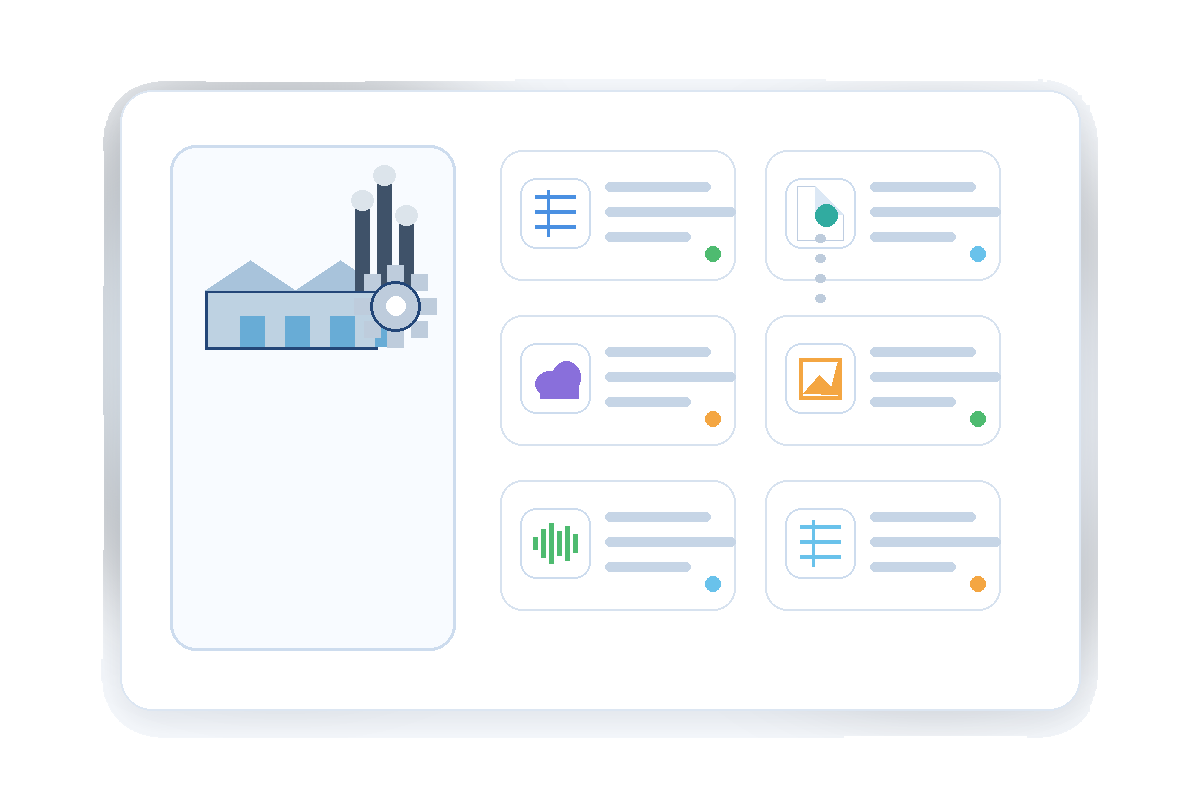
Review an illustrative supplier dataset with identity, location, capability, certification, contact, collection, and validation fields.
Illustrative example
| Field | Illustrative value | Availability | Validation |
|---|---|---|---|
| supplier_name | Fastenal Company | Displayed | Pass |
| profile_url | https://www.thomasnet.com/profile/fastenal | Displayed | Pass |
| company_type | Distributor | Displayed | Pass |
| city | Winona | Displayed | Pass |
| state | MN | Displayed | Pass |
| categories | Industrial Fasteners, MRO | Displayed | Pass |
| certifications | ISO 9001 | Displayed | Pass |
| phone_public | none | Source-dependent | Review required |
| website | https://www.fastenal.com | Displayed | Pass |
| collected_at | 2026-08-13T14:00:00Z | Displayed | Pass |
Supported Inputs, Fields, and Outputs
Inputs and field groups depend on publicly visible page content and the agreed schema.
Search and collection inputs
Representative search URLs, category pages, listing filters, geography, keywords, and supplier-profile targets used to define collection scope.
Supplier identity
Supplier names, profile URLs, company type, and related public identity labels where displayed on agreed pages.
Location and coverage
City, state, postal code, country, and related location context where publicly shown.
Products and capabilities
Categories, product lines, and capability descriptions where publicly displayed and included in the agreed schema.
Certifications and company attributes
Certification labels, year founded, company-size ranges, and related attributes where publicly shown.
Public contact information
Public phone numbers, websites, and related contact signals when publicly shown and included in the agreed schema.
Collection and quality metadata
Collection timestamps, field-availability notes, validation status, duplicate-review markers, and exception notes for audit review.
Candidate delivery formats
CSV, Excel, JSON, API-ready records, webhooks, databases, CRM imports, and warehouse delivery when agreed during scoping.
Supplier-Data Use Cases
Supplier discovery and shortlist building
Build structured shortlists from agreed category, geography, and capability filters without treating missing fields as complete coverage.
RFQ and sourcing research
Support RFQ preparation with structured supplier observations and provenance metadata for agreed public page sets.
Capability and certification mapping
Map capabilities and certifications where publicly displayed, with exception visibility when values are missing or ambiguous.
Vendor and competitor benchmarking
Compare supplier footprints across categories and locations where those fields are publicly shown and included in the scoped schema.
Industrial market mapping
Combine location, company type, and category signals for industrial market views from agreed public page sets.
Supplier-record enrichment
Append public directory context to internal supplier records when matching rules and intended use are agreed during scoping.
Approved B2B account research
Support account research with structured public supplier observations through Nenodata lead generation data workflows when enrichment boundaries and intended use are approved—not for unrestricted outreach lists.
Who This Service Is For
This service fits sourcing, procurement, industrial market-research, data engineering, and CRM operations teams that need structured public supplier records with sample-first scoping and visible exception handling.
It supports organizations that prefer managed collection, normalization, and delivery over maintaining brittle internal scripts across changing directory layouts and listing-to-profile relationships.
This page does not offer private, restricted, login-protected, or account-only information, guaranteed email coverage, or complete directory coverage.
How It Works
The delivery pattern aligns with how Nenodata works across managed supplier-data engagements.
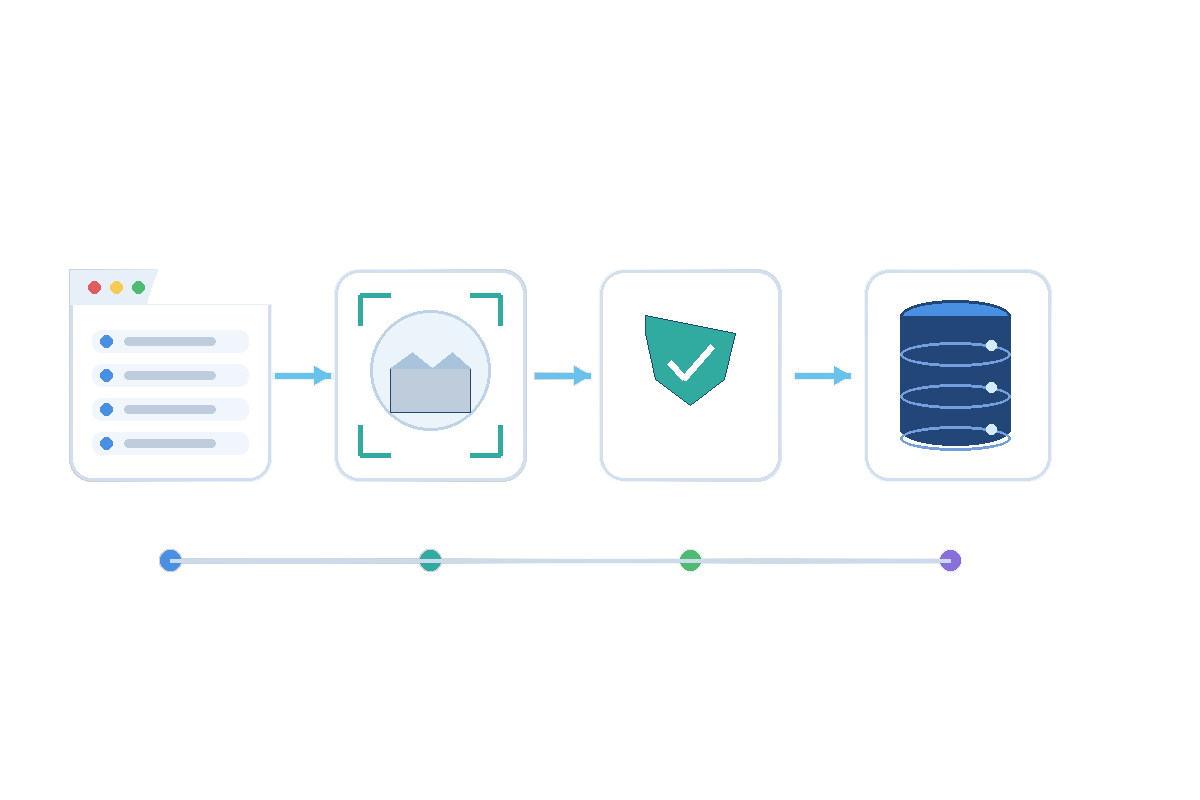
- Step 1
Connect and define
Share representative search or profile URLs, required fields, geography, intended use, refresh need, and delivery destination.
- Step 2
Extract approved fields
Nenodata collects against agreed public targets, captures the defined field set, and prepares a representative sample for review.
- Step 3
Transform and validate
Records are normalized and validated so missing values, source-dependent fields, and collection timestamps remain visible rather than silently overwritten.
- Step 4
Deliver to your workflow
Structured outputs are delivered once or on a recurring schedule through formats and destinations agreed during scoping and sample review.
Why Choose Nenodata
Sample-first field validation
Requested pages, fields, geography, and volume are assessed through a representative sample before production scale.
Requirements-led schemas
Field names, validation rules, and destination mapping are planned around your workflow rather than forcing downstream reshaping of a fixed export.
Explicit missing-field handling
Field-availability notes, validation status, and exception handling stay with each record when values are missing or ambiguous on observed pages.
Managed operational ownership
When included in scope, Nenodata maintains agreed handling for directory-layout and schema changes rather than shifting every update to internal engineering.
Workflow-ready delivery
Outputs can be scoped for files, API-ready structures, CRM imports, and warehouse handoffs when destination requirements are agreed during scoping.
Responsible source scoping
Collection is limited to agreed publicly visible pages and intended uses reviewed during scoping. Private, restricted, or account-only sources remain out of scope.
Delivery and Integration Options
Formats and destinations follow the agreed scope. Engagements may include CSV, Excel, JSON, API-ready records, webhooks, database delivery, CRM delivery, warehouse delivery, and custom data pipelines. Related industrial-sourcing programs may also reference Nenodata Alibaba supplier data when that source is in scope. For commercial context, review Nenodata plans and custom pricing when planning scope, refresh cadence, and destination requirements. You can also view all data extraction services.
Related services: supplier and vendor data scraping, ASC Global MRO scraper, Alibaba data scraping, and business directory data extraction.
- CSV
- Excel
- JSON
- API-ready records
- Webhooks
- Database delivery
- CRM delivery
- Warehouse delivery
Frequently Asked Questions
Start With a Representative Sample
Share representative search or supplier-profile URLs, required fields, geography, intended use, one-time or recurring need, and preferred output destination so Nenodata can scope the next step.
Include representative sources, required fields, cadence, destination, and intended use when you contact Nenodata through the contact flow.