Houzz Scraper Services for Product and Professional Data
Nenodata provides managed Houzz Scraper workflows that turn agreed public professional, product, project, rating, and review pages into cleaned, normalized datasets scoped to your required fields, filters, refresh schedule, and delivery destination.
- Agreed public page types and fields
- Cleaned, normalized, and validated outputs
- One-time or recurring delivery where feasible
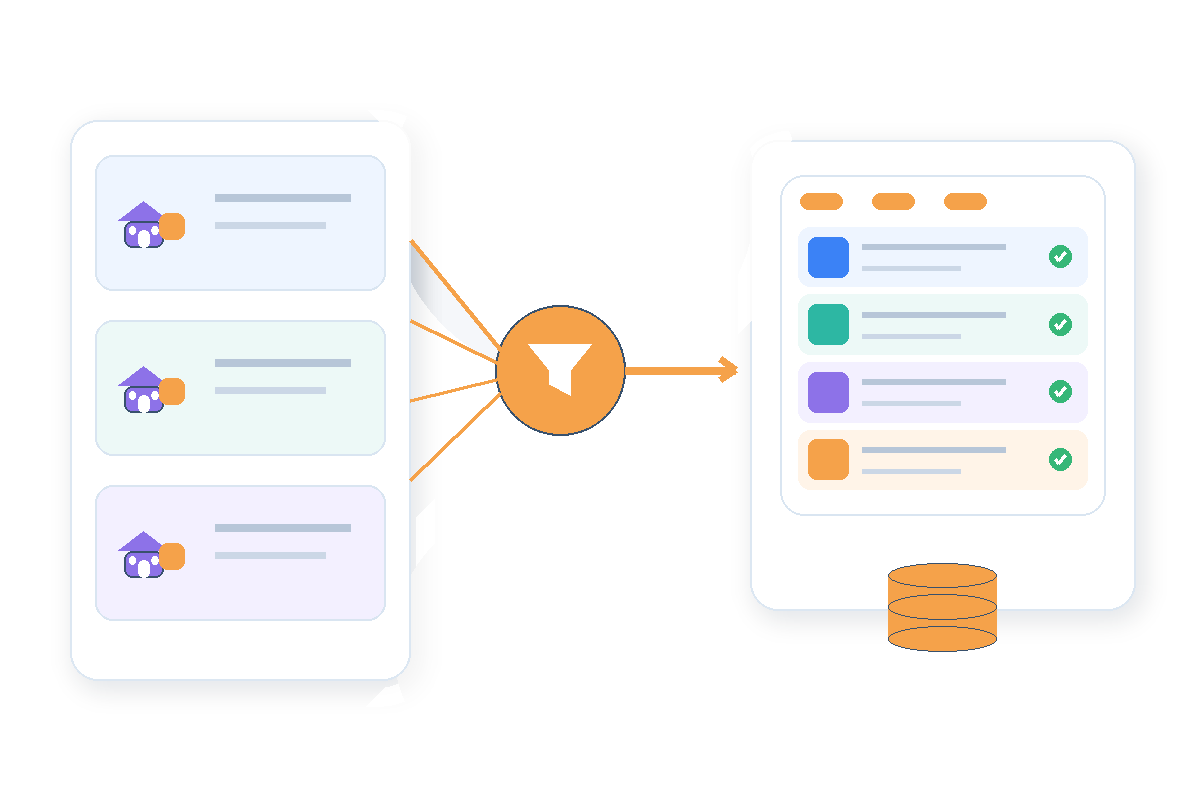
Collecting Consistent Data Across Mixed Page Types Is Difficult
Home-design platforms combine professional profiles, product listings, project galleries, and review pages with different layouts, identifiers, and field conventions. A value copied from one page type rarely maps cleanly to the schema another team expects without rework.
Manual checks and one-off scripts break when page structures change, category labels differ, or rating and review formats vary between sections. Teams spend time maintaining collectors instead of using the data in mapping, monitoring, and enrichment workflows.
Product, research, and go-to-market teams need stable field definitions, validation visibility, and delivery formats that move directly into analysis and operational systems rather than ad hoc spreadsheet cleanup after every source change.
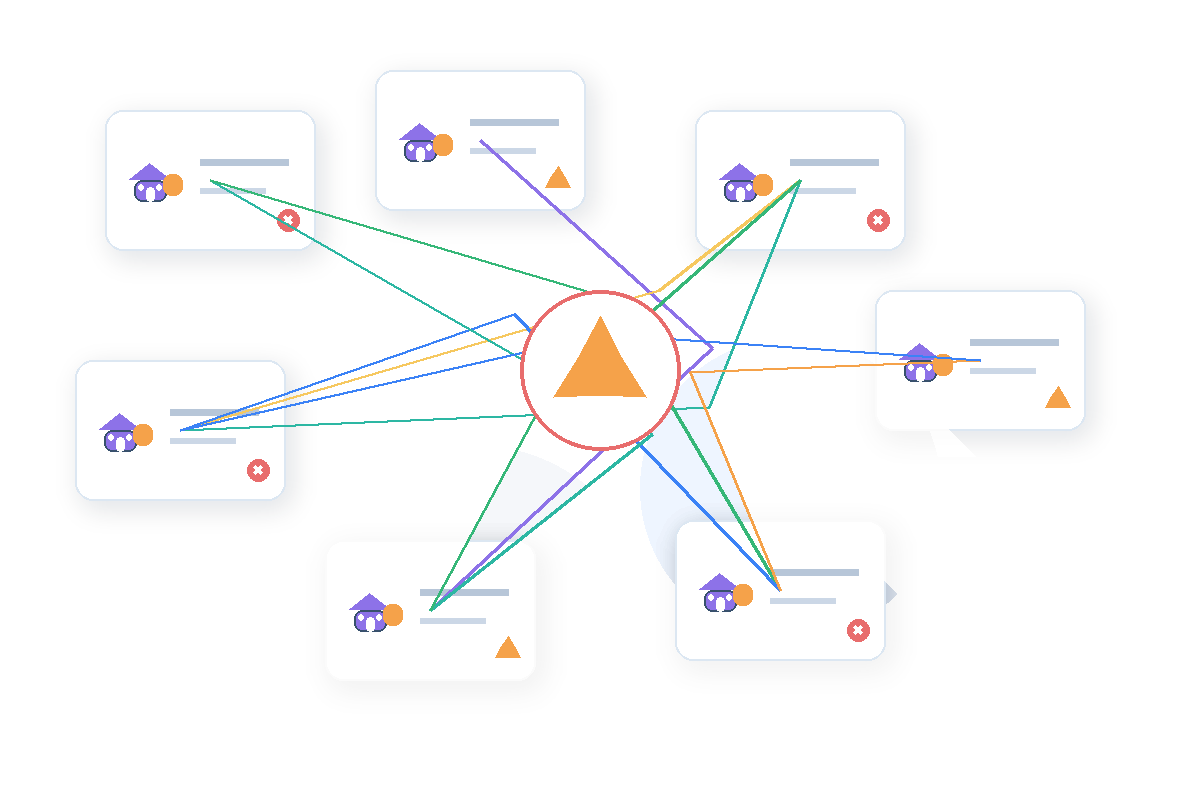
What the Houzz Scraper Service Provides
Nenodata scopes managed extraction around agreed public page types, required fields, filters, validation rules, refresh cadence, and delivery destinations for market mapping, directory research, enrichment, monitoring, and analytics workflows.
Engagements may include professional identity and service labels where publicly shown, product and pricing signals where displayed, project and design metadata, ratings and review counts where permitted for the approved use case, source references, collection timestamps, and validation metadata when included in the agreed schema.
Collection is limited to approved public sources. Login-protected, private, restricted, deleted, hidden, or inappropriate sensitive fields remain out of scope. Broader programs may extend through Nenodata fully managed web scraping services. Source sets, fields, filters, cadence, and destinations are confirmed during feasibility review.
Houzz vs other home-product sources
Use this page for Houzz products, professionals, projects, and ratings. Use Wayfair for furniture price tracking, or the jewelry hub for jewelry-only catalogs.
| Source | Best for | Learn more |
|---|---|---|
| Houzz | Home products, pro profiles, project pages, ratings, and reviews | This service |
| Wayfair | Furniture and home price, stock, and promotion tracking | Wayfair price tracker |
| Jewelry hub | Jewelry metal, stone, karat, and catalog attributes | Jewelry data scraping |
Review an Illustrative Dataset Before Broader Collection
Review an illustrative record structure with professional, product, project, review, provenance, collection timestamp, and validation indicators before broader production begins.
Illustrative example — final fields and structures are confirmed during scoping.
This table is illustrative only. It is not a live customer deliverable, production API response, approved schema for every page type, or guarantee of field availability.
| Field | Illustrative value | Purpose |
|---|---|---|
| record_type | professional_profile | Page-type label within the agreed schema |
| professional_name | Northshore Kitchen Studio | Public professional identity where displayed |
| service_category | Kitchen and bath design | Service or trade context for directory workflows |
| product_title | null | Optional product field — included only when in scope |
| project_title | Lincoln Park galley kitchen remodel | Project context where publicly shown |
| average_rating | 4.5 | Rating signal where publicly displayed and approved |
| review_count | 128 | Review total where publicly displayed and approved |
| source_url | https://www.houzz.com/professionals/kitchen-and-bath/northshore-kitchen-studio-pfvwus-pf~123456789 | Traceability back to the observed public page |
| collected_at | 2026-08-12T14:55:22Z | Collection timestamp for refresh and audit review |
| validation_status | pass_with_exceptions | Visible handling when a field cannot be confirmed |
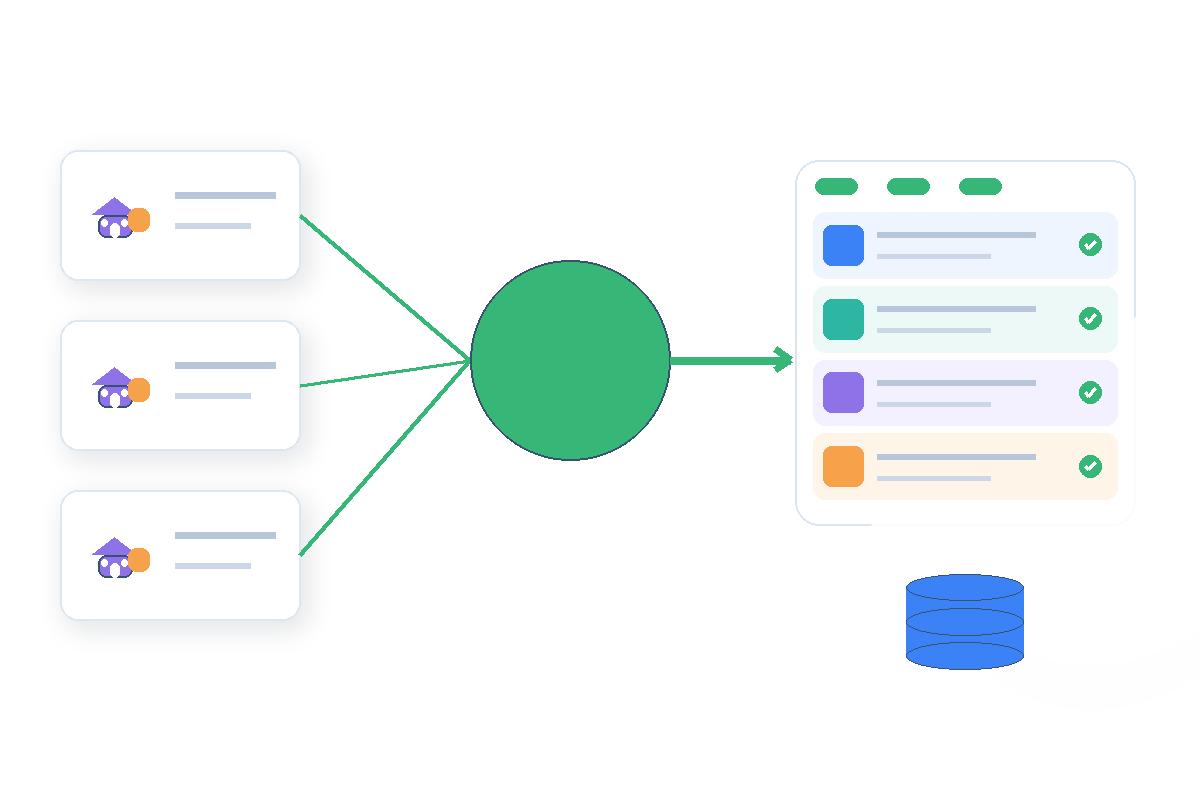
Data Fields and Delivery Outputs
Illustrative field groups — final availability depends on source feasibility and project scope.
Potential field groups are organized during scoping. Broader retail and catalog programs may extend through Nenodata retail and ecommerce data solutions. Exact fields, filters, and delivery formats are confirmed during feasibility review.
Professional data
Business name, trade or service labels, location context, profile identifiers, and publicly displayed contact or service-area signals where permitted for the approved use case.
Product data
Product titles, brands, categories, pricing or availability signals, seller or vendor labels, and product URLs where publicly displayed and included in scope.
Project data
Project titles, room or style labels, photo counts, location context, and design-metadata fields where publicly shown on agreed project pages.
Ratings and review metadata
Average ratings, review totals, review dates, and review-text excerpts only where collection, processing, and reuse are approved for the intended purpose.
Source, geography, and provenance
Source URLs, page types, geography labels, collection timestamps, input references, and validation metadata for audit and exception review.
Delivery options
CSV, Excel, JSON, API-ready records, webhooks, database, CRM, warehouse, and custom integration paths when confirmed during scoping.
Scoped delivery options
Business Use Cases
Home-professional market mapping
Build structured views of professionals, trades, and service categories across agreed geographies for market sizing and competitive context—subject to source feasibility and permitted field review.
Contractor and designer directory research
Support directory and outreach research with normalized professional fields where publicly displayed and approved for the intended use. Broader lead generation and enrichment programs may extend qualified workflows when privacy, rights, and feasibility review are complete.
Sales-territory planning
Combine location, service-category, and professional-density signals into territory views for field planning—without assuming complete coverage or unrestricted contact reuse.
Product and price monitoring
Track product, pricing, and availability signals on agreed schedules through Nenodata price intelligence solutions when those fields are publicly visible and included in the scoped schema.
Brand and category research
Compare brand presence, category labels, and listing signals across monitored product sets for assortment and positioning review.
Design-style and project trend analysis
Analyze project metadata, room labels, and style signals where publicly shown to support trend reporting and category research.
Review and reputation monitoring
Load structured rating and review metadata into recurring reporting workflows where collection, processing, and reuse are approved for the intended purpose.
Internal dataset or marketplace enrichment
Append professional, product, or project context to internal records through Nenodata custom data pipelines when matching rules, identifiers, and destination requirements are confirmed during scoping.
Who This Service Is For
This service fits home-services brands, building-product manufacturers, PropTech teams, market-research firms, sales organizations, and analysts that need structured public professional, product, project, and review data on agreed schedules.
It supports teams that prefer managed extraction, normalization, and delivery over maintaining brittle internal scripts across mixed page types.
This is not a browser extension, downloadable scraper, or unrestricted self-serve API. Engagements are scoped around approved public sources, fields, intended use, and delivery destinations confirmed during feasibility review.
How the Managed Process Works
Nenodata follows a feasibility-first workflow aligned with how the process works across managed extraction engagements. Automatic acceptance, guaranteed collection, and uninterrupted refreshes are not promised on this page.
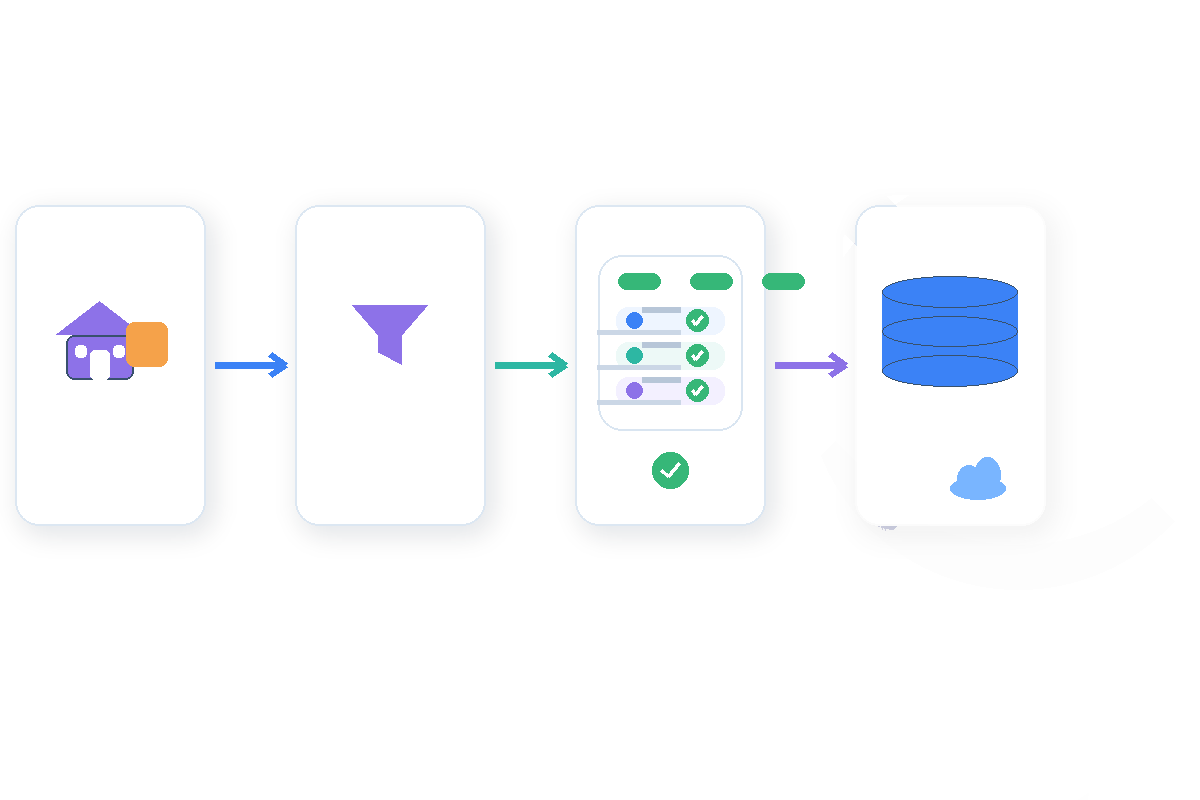
Define sources and fields
Share target page types, representative URLs, required fields, filters, geography, intended use, and delivery preferences so Nenodata can assess feasibility.
Configure and test collection
Nenodata configures extraction against agreed public targets, captures the defined field set, and prepares a representative sample for review.
Structure, normalize, and review
Collected records are standardized, validated against agreed rules, and reviewed for completeness and exception visibility before broader delivery.
Deliver the approved dataset
Receive structured outputs once or on a recurring schedule in formats and destinations confirmed during scoping and sample review.
Why Choose Nenodata
Sample-first feasibility
Representative samples and source review come before broader rollout so teams can assess field fit and supportability with evidence.
Requirements-led schema
Field groups, naming conventions, and validation rules are defined around your workflow rather than a generic export you must reshape later.
Managed maintenance ownership
When included in scope, Nenodata maintains agreed handling for source and schema changes rather than shifting every update to internal engineering.
Validation and exception visibility
Agreed validation rules and exception reporting help teams assess records responsibly rather than treating incomplete observations as confirmed facts.
Delivery into existing workflows
Outputs can be scoped for files, API-oriented handoffs, webhooks, databases, CRM workflows, and warehouses when destination requirements are confirmed.
Responsible source review
Projects remain within approved public-data boundaries with source terms, content rights, privacy obligations, and intended use reviewed during scoping.
Integrations and Delivery
Delivery methods are agreed during scoping. Every format and destination below is conditional on technical feasibility, commercial review, and representative testing.
Confirmed engagements may include CSV, Excel, JSON, API-ready records, webhooks, database delivery, CRM delivery, data-warehouse delivery, and custom integration paths when destination requirements are confirmed. A ready-made public self-serve API product is not claimed on this page.
Related: business directory data extraction · supplier and vendor data scraping · Home Depot USA data scraping · enterprise web scraping
Frequently Asked Questions
Request a Scoped Data Sample
Share representative page types and URLs, required fields, filters, geography, intended use, one-time or recurring need, and preferred output destination.
Include representative sources, required fields, filters, cadence, destination, and intended use when you request a sample through the contact flow.